
Building a Realistic Day-by-Day Travel Budget

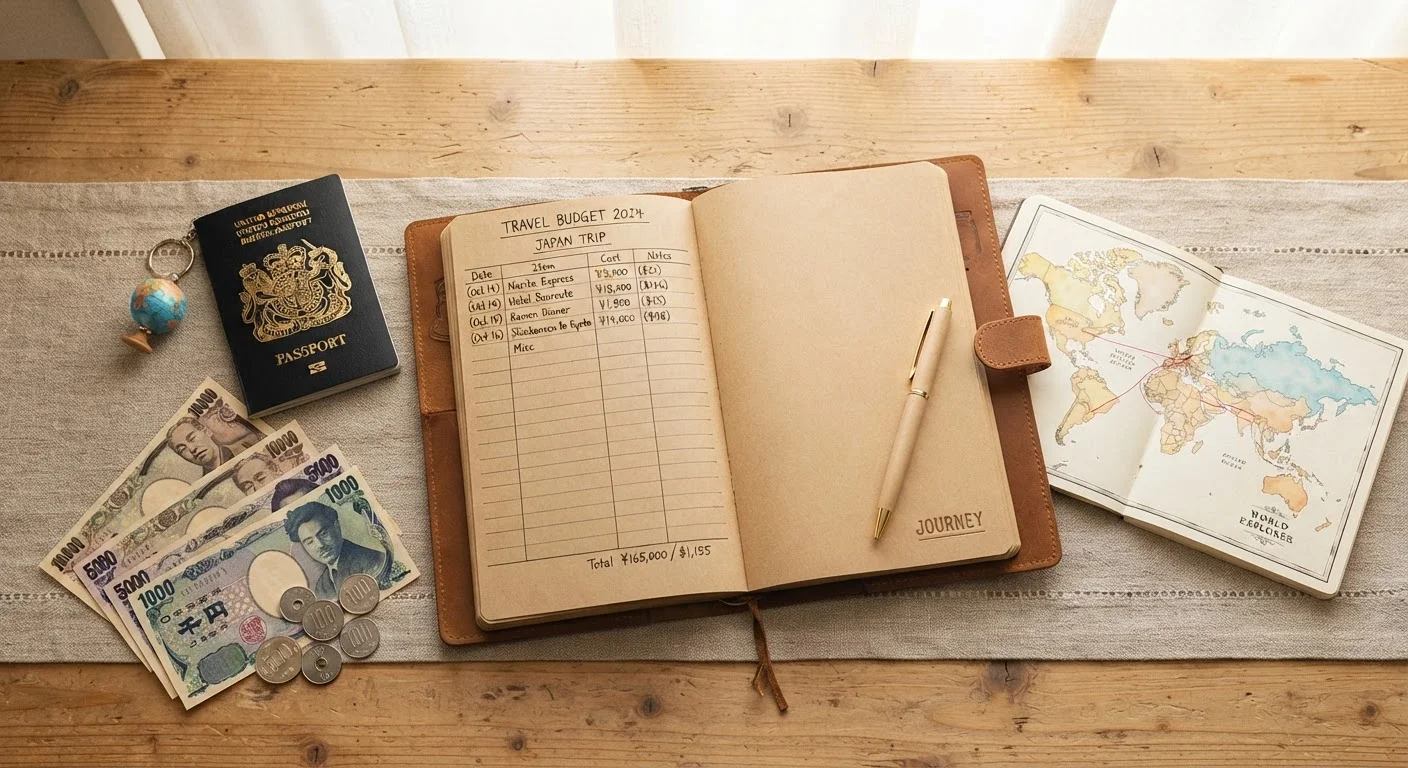
Photo: TrendingResults.net | Discover More, Trend More editorial
Key Takeaways
- Break your travel budget into daily categories: meals, transit, lodging, activities, and a buffer.
- Research destination-specific costs before assuming your home-city spending patterns apply abroad.
- Build a 10-15% contingency buffer into every day's estimate to absorb unexpected expenses.
- Track actual spending during your trip to improve future budget accuracy.
- Food is often the most variable daily expense - plan it category by category, not as a lump sum.
Why a Day-by-Day Budget Outperforms a Trip Total
Most travelers set a single trip total - say, $2,000 - and hope the math works out. It rarely does. A lump-sum figure gives you no early warning when Day 3 blows past its share of the budget, and no way to course-correct before the damage compounds.
A day-by-day budget flips that dynamic. It lets you see exactly where money flows - meals, local transit, entry fees, spontaneous detours - and adjust in real time. Think of it as a household budgeting approach applied to the road: category-level visibility beats gut-feel guessing every time.
It also pairs naturally with your itinerary. A museum-heavy day costs differently than a beach day or a travel day. When your budget mirrors your actual schedule, the numbers mean something. For tips on building that schedule, see building a travel itinerary that actually works.
What you will need
How to Build Your Day-by-Day Budget
Follow these steps for any destination - domestic or international - before you book a single flight.
List every spending category
Start with a clean sheet and write out every cost category you'll encounter daily: lodging, meals (breakfast, lunch, dinner), local transportation, activities and entry fees, shopping, and miscellaneous. Don't skip categories that feel small - museum audio guides, bottled water, and subway tokens add up across a week.
Research real costs for your destination
Generic estimates almost always miss the mark. Spending patterns in New Orleans differ sharply from those in rural Montana or New York City. Look for destination-specific data: travel forums, official tourism sites, and recent traveler trip reports give the most grounded figures. Check meal prices at a range of restaurant types - not just mid-range - and look up public transit day passes or rideshare typical fares. For international destinations, note the current exchange rate and factor in any foreign transaction fees your bank may charge.
Assign a cost to each category, each day
Now fill in the grid. A travel day - airport, transit to hotel, maybe a quick meal - looks different from a sightseeing day with two paid attractions and restaurant dinners. Don't copy-paste one day's totals across all days; tailor each one to what's actually planned. If Day 4 is a free beach day with groceries from a market, reflect that. If Day 6 includes a ticketed tour, price that in specifically.
Add a daily contingency buffer
On every single day, add 10-15% above your category subtotal as a buffer line. This is not an emergency fund - it's a realistic acknowledgment that travel is unpredictable. Transit delays, ATM fees, a spontaneous local festival with an entry fee: these are part of travel, not exceptions to it. Budget for them intentionally.
Sum your daily totals and compare to your overall budget
Add up all daily totals - including buffers - to get your on-the-ground trip cost. Add pre-trip fixed costs (flights, accommodation deposits, travel insurance) separately. If the combined figure exceeds what you've saved, go back and adjust day-by-day rather than slashing randomly. Look at which days have expensive activity clusters and see whether any can be swapped for lower-cost alternatives without gutting the experience.
Track spending in real time during the trip
A budget you don't monitor is just a wishlist. Log actual spending each evening - a notes app or simple spreadsheet works fine. Compare to your daily estimate and note any categories consistently over or under. If meals are running 20% higher than planned, you can offset by choosing a free activity the next day rather than discovering the overrun at checkout.
Managing Food Costs and the Unexpected
Food deserves its own conversation because it's the budget category most travelers both underestimate and overspend. A single tourist-district dinner can cost three times what a local lunch spot charges two blocks away. Rather than budgeting a daily food total, break it into three slots: breakfast, lunch, and dinner - then estimate each individually based on where you actually plan to eat.
For deeper strategies on keeping this line item in check, underestimated strategies for keeping food costs down while traveling covers smart approaches that don't require sacrificing good meals.
The same logic applies to surprises. Medical co-pays, a last-minute taxi when transit shuts down, a replacement charger - these aren't rare; they're practically guaranteed over a week-long trip. A 10-15% daily contingency buffer isn't pessimism; it's realism. If you don't spend it, it rolls into your post-trip savings - which connects neatly to the habit of building an emergency fund back home.
Make Your Budget Work Across Trip Types
Once you return, compare your estimated daily budget against actual receipts. That gap - wherever it appears - is the most valuable data point for your next trip. Travelers who do this consistently get measurably better at forecasting. For what to do once your budget is solid, stretching a travel budget without shrinking the experience shows how to redirect savings toward the parts of travel that matter most.
The content on this site is provided for informational purposes only and should not be considered a substitute for professional advice. While we strive to provide accurate and up-to-date information, we make no guarantees regarding its completeness or accuracy. Always consult a qualified professional for advice specific to your circumstances before making any decisions.