
Underestimated Strategies for Keeping Food Costs Down While Traveling

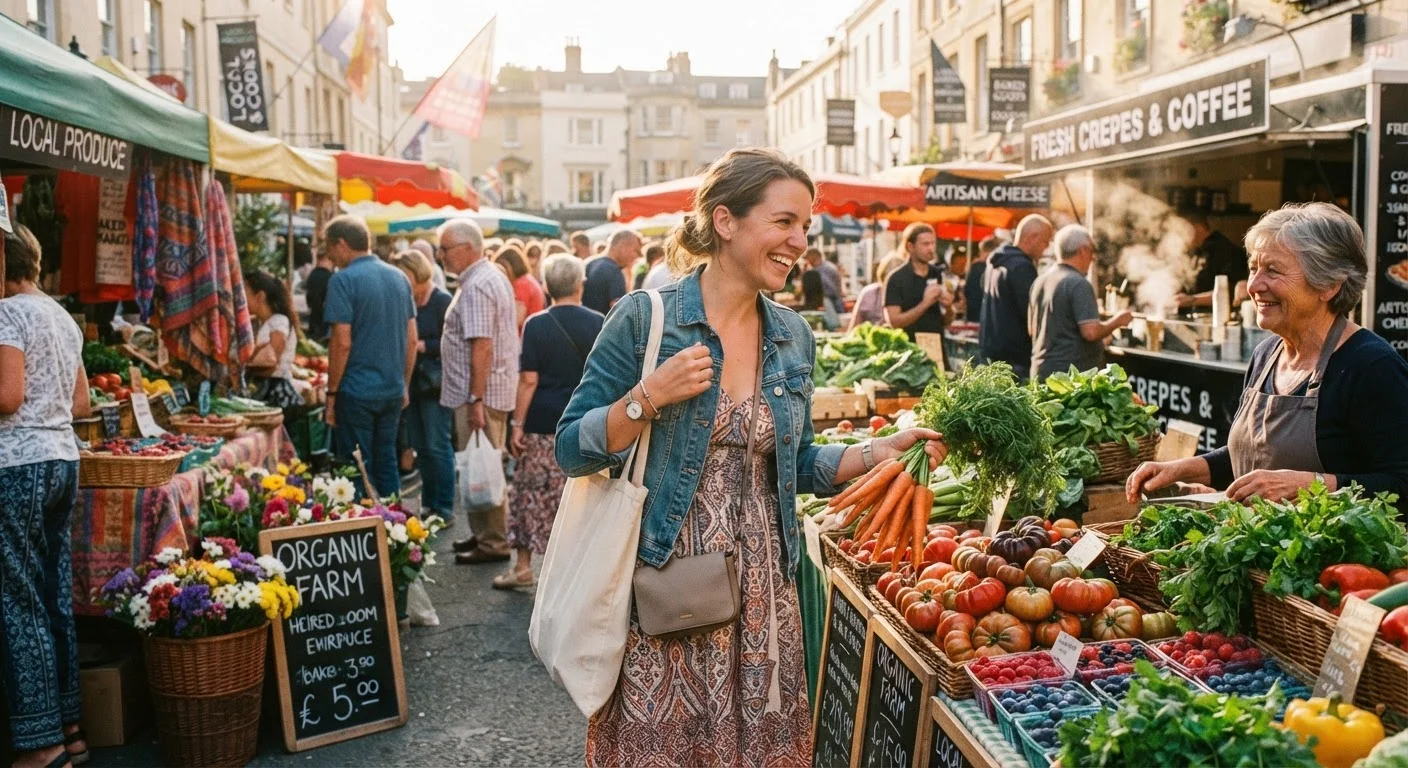
Photo: TrendingResults.net | Discover More, Trend More editorial
Key Takeaways
- Eating at local markets and grocery stores can cut your daily food spending significantly compared to tourist restaurants.
- Shifting your biggest meal to midday often means smaller portions, lower prices, and the same quality.
- Booking accommodations with kitchen access lets you control food costs without sacrificing comfort.
- Learning a few key phrases in the local language can help you find where residents actually eat.
- Front-loading research before you leave is one of the most effective food-budget tools available.
Why Food Costs Catch Travelers Off Guard
Flights and hotels dominate the pre-trip spreadsheet, but food quietly becomes one of the biggest variables once you're actually on the road. Three restaurant meals a day - especially in tourist corridors - can eat through a budget faster than almost any other category. As our editorial team breaks down in Where Your Vacation Money Actually Goes, most travelers don't anticipate how quickly meal spending compounds across a week-long trip.
The good news: controlling food costs doesn't mean settling for sad vending machine dinners. It means being strategic about when, where, and how you eat. These underestimated approaches work for domestic road trips and international adventures alike - and most of them require nothing more than a little planning.
Shop like a local at markets and grocery stores
Supermarkets, farmers markets, and food halls are where residents actually buy their meals - and prices reflect that reality. Picking up breakfast items, portable snacks, and even ready-made meals from a local grocery store can cost a fraction of what a sit-down restaurant charges. Look for prepared food sections, which many international and domestic grocery chains offer, often with regional specialties at everyday prices.
This approach pairs well with a small personal cooler or insulated bag if you're road-tripping. Even a one-time investment in reusable containers pays off fast when you're assembling your own meals a few times per day.
Grocery stores and markets reveal what locals pay - and it's almost always less than tourist restaurants.
Make lunch your main meal of the day
In many destinations - particularly in Europe, Latin America, and parts of Asia - restaurants offer a fixed-price lunch that includes multiple courses for significantly less than the same dishes cost at dinner. Known by different names (prix fixe, menú del día, set lunch), these midday deals are designed for local working crowds, not tourists.
Shifting your largest meal to midday also lets you keep breakfast light (coffee, pastry, fruit from a market) and dinner casual (a snack plate, street food, or leftovers) without feeling like you're missing out. Your wallet and your energy levels tend to benefit equally.
A fixed-price lunch at a local restaurant often costs half what dinner runs - for the same quality.
Prioritize accommodations with kitchen or kitchenette access
Vacation rentals, hostels with shared kitchens, and extended-stay hotels with in-room kitchenettes all unlock the ability to self-cater at least some meals. Even cooking breakfast and one other meal per day dramatically reduces food spending over a week. You're not giving up experiences - you're choosing which meals deserve a real restaurant and cooking the routine ones yourself.
This strategy works especially well for families, where restaurant meals multiply quickly per person. A quick stop at a local grocery store the day you arrive sets you up for days of easy, inexpensive eating.
Access to even a basic kitchen can cut your weekly food budget by a substantial margin.
Eat where locals eat - not where tourists are directed
Restaurants adjacent to major tourist attractions carry a price premium that rarely reflects food quality. Walking two or three blocks away - or asking hotel staff, guesthouse owners, or locals for their go-to lunch spot - often reveals a completely different price tier. A translation app can help bridge any language gap when menus aren't in English, and digital tools for travelers make this kind of neighborhood exploration much more accessible than it used to be.
Neighborhood spots, worker lunch counters, and family-run places rarely advertise to visitors - but they're usually where the genuinely good food lives.
Moving just a few blocks from tourist zones can halve your meal costs with better food to show for it.
Plan for hidden food costs before you leave
Resort fees and airport transfers get the attention, but food-adjacent costs sneak up too: bottled water at every meal, mandatory service charges, tourist-area coffee shop markups, and impulse snacks when you're hungry and surrounded by overpriced options. These add up, and they're largely preventable with a little preparation.
Carry a reusable water bottle that you can fill at hotel room sinks or water stations. Pack portable, non-perishable snacks for airport layovers and long transit days. Budget a modest daily food buffer so small splurges don't create guilt - or budget chaos. Our coverage of hidden travel costs covers many of these traps in useful detail.
Preventable costs - bottled water, snack impulse buys, tourist-zone coffee - quietly inflate food spending.
Embrace street food with appropriate judgment
Street food gets unfairly sidelined by cautious travelers, but in many destinations it represents both the culinary highlight of the trip and the most affordable way to eat well. Tacos, bánh mì, samosas, grilled skewers, fresh-squeezed juice - these are often made with fresher ingredients and more pride than a mid-range restaurant equivalent.
Use basic judgment: look for stalls with steady local foot traffic, food cooked to order, and visible hygiene practices. When in doubt, cooked and hot is generally safer than raw. Checking destination-specific travel advisories and health guidance from official sources before your trip will help you calibrate risk appropriately for where you're going.
Street food is frequently the most authentic and affordable way to eat - if you choose wisely.
Make These Habits Work Together
None of these strategies require deprivation. In fact, many travelers find that eating the way locals do - at markets, lunch counters, and neighborhood spots - is far more memorable than ordering off a laminated tourist-district menu. Pair a couple of these approaches and you'll likely notice the difference in your daily spend within the first 48 hours.
Front-load your food research
If you want to build food spending into a fuller trip plan, Building a Realistic Day-by-Day Travel Budget walks through how to estimate meals alongside every other travel category. And for a broader look at where smart travelers redirect savings, Stretching a Travel Budget Without Shrinking the Experience is worth a read before you book.
The content on this site is provided for informational purposes only and should not be considered a substitute for professional advice. While we strive to provide accurate and up-to-date information, we make no guarantees regarding its completeness or accuracy. Always consult a qualified professional for advice specific to your circumstances before making any decisions.