
Things That Are Easy to Research Before a Trip (and Things That Aren't)

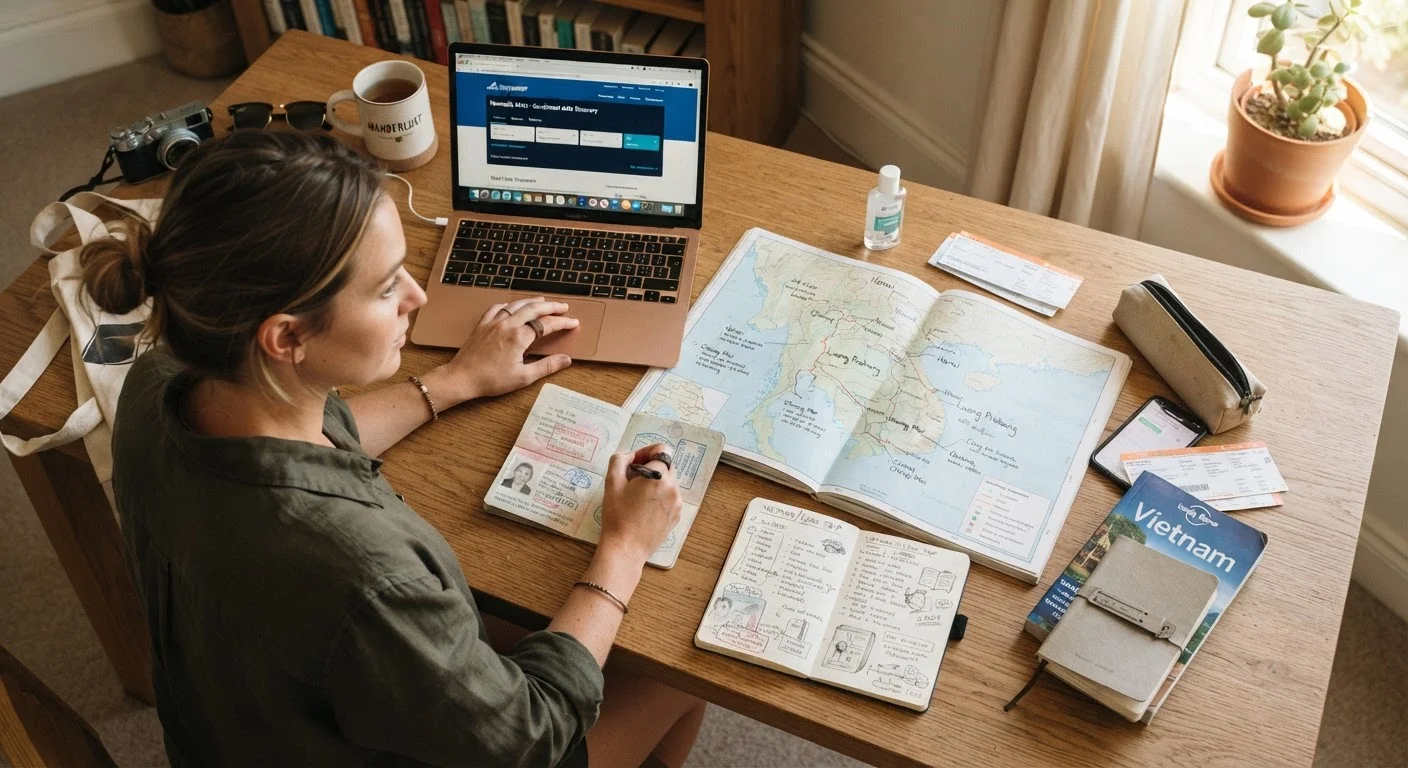
Photo: TrendingResults.net | Discover More, Trend More editorial
Key Takeaways
- Visa requirements, entry rules, and vaccination documentation are reliably researched through official government sources.
- Neighborhood safety, local vibes, and crowd levels are harder to gauge accurately from online research alone.
- Knowing which questions have trustworthy answers helps you plan confidently and hedge appropriately on the rest.
Not All Pre-Trip Research Is Created Equal
Trip planning feels manageable when you know which questions have reliable answers and which ones simply don't. Treating every research question the same way - expecting a definitive answer from a Google search - sets travelers up for either over-confidence or unnecessary anxiety. The smarter approach is understanding where authoritative information genuinely exists and where you're working with educated guesses at best.
Whether you're a first-time international traveler or a seasoned road-tripper, this distinction shapes how you plan, what you commit to early, and what you leave flexible. The list below breaks down common pre-trip research topics by how reliably they can actually be answered online.
Visa and entry requirements - highly researchable
Whether you need a visa, how much it costs, and how far in advance to apply are all questions with definitive, official answers. The U.S. Department of State's travel website and the destination country's official embassy pages are reliable primary sources. Processing times can shift, so check them close to your planning date and then again before departure. For international trips, this is genuinely one of the easiest boxes to tick - the information exists, it's authoritative, and skipping it is the most avoidable mistake travelers make.
Visa rules have official answers - this is one of the most avoidable mistakes in trip planning.
Vaccination and health entry requirements - researchable with caveats
Many countries publish required vaccinations for entry, and the CDC maintains destination-specific health pages travelers can consult. What's harder to predict is how requirements might shift in the months between planning and travel. Always verify entry health requirements within a few weeks of departure via official sources, and speak with a healthcare provider about recommended (not just required) vaccines. This content is general health information - not personal medical advice - so consulting a travel medicine clinic is worthwhile for longer or more remote trips.
Entry health requirements are published, but they can change - always verify close to your departure date.
Transportation logistics - mostly researchable
Airport-to-city transit options, intercity train and bus schedules, and general driving rules (which side of the road, whether your U.S. license is accepted) are well-documented and relatively stable. Look up official transit authority websites for schedules and fares. What's trickier: actual travel times during peak hours, the reliability of a specific regional bus line, or whether ride-hailing apps work in a particular city. Online forums and recent traveler posts can fill some of those gaps, but treat them as supplementary rather than authoritative.
Schedules and routes are findable; real-world delays and reliability require on-the-ground flexibility.
Neighborhood feel and safety at night - difficult to research accurately
This is where online research consistently falls short. Crime statistics are often outdated, unevenly collected, or reflect broader municipal areas rather than specific blocks. Travel forums carry strong opinions that range from genuinely helpful to wildly exaggerated in either direction. Neighborhood character - how lively a street feels after dark, whether it's walkable, what the foot traffic looks like - is genuinely hard to capture in writing. Your best strategies: look at multiple recent sources, check how travel advisories are structured, and build flexibility into your plans rather than assuming any single review is definitive.
No website reliably captures how a neighborhood feels at night - layer multiple sources and stay adaptable.
Currency, tipping norms, and basic costs - moderately researchable
You can reliably look up what currency a destination uses, whether cards are widely accepted, and general tipping customs. Travel finance resources and the pre-trip budget checklist are useful for flagging costs travelers often miss - resort fees, tourist taxes, baggage add-ons. What's harder: the actual exchange rate on the day you travel and whether a specific restaurant or market accepts cards. Budget with a margin, and carry some local cash for the first 24 hours regardless of what the research says.
Research tipping norms and currency basics, but always carry a cash buffer for unpredictable day-one expenses.
Weather and seasonality - researchable in patterns, not specifics
Historical climate data for most destinations is freely available and genuinely useful for deciding when to go. You can confidently learn that a destination has a rainy season, extreme summer heat, or peak-crowd months. What you cannot reliably predict: whether that week in October will actually be sunny or whether an unusual weather event will affect your dates. Use seasonal patterns to frame your expectations, not lock in them. Checking a detailed forecast makes sense only in the week or two before you leave.
Seasonal patterns are reliable research; specific week-by-week forecasts are only useful close to departure.
Crowd levels and local events - partially researchable
Major festivals, national holidays, and school break periods are well-documented and easy to look up - and they matter because they affect pricing, availability, and how crowded popular sites will be. What's less predictable: whether a popular trail will be busier than usual on your specific day, or whether a spontaneous local event will block off a neighborhood. Official tourism boards often publish event calendars; checking them is a quick step that pays off. For broader planning context, see how domestic and international planning differ depending on your destination type.
Major holidays and festivals are easy to find - use official tourism calendars to avoid surprise crowd spikes.
Plan with Confidence Where You Can, Flexibility Where You Can't
The goal of pre-trip research isn't to eliminate all uncertainty - it's to reduce avoidable surprises. Lock in the things you can verify through official sources early: visa requirements, entry documentation, vaccination rules. For first-time international travelers, those concrete steps alone build enormous confidence.
Official Sources vs. Traveler Reviews
Build a Two-Tier Research Habit
For the murkier questions - neighborhood safety, real-world crowd levels, how a transit system actually functions on a Tuesday afternoon - build margin into your itinerary rather than assuming your research is complete. The travelers who enjoy their trips most tend to be those who prepared well on the knowable stuff and stayed curious about everything else.
The content on this site is provided for informational purposes only and should not be considered a substitute for professional advice. While we strive to provide accurate and up-to-date information, we make no guarantees regarding its completeness or accuracy. Always consult a qualified professional for advice specific to your circumstances before making any decisions.