
Trip Planning for First-Time International Travelers

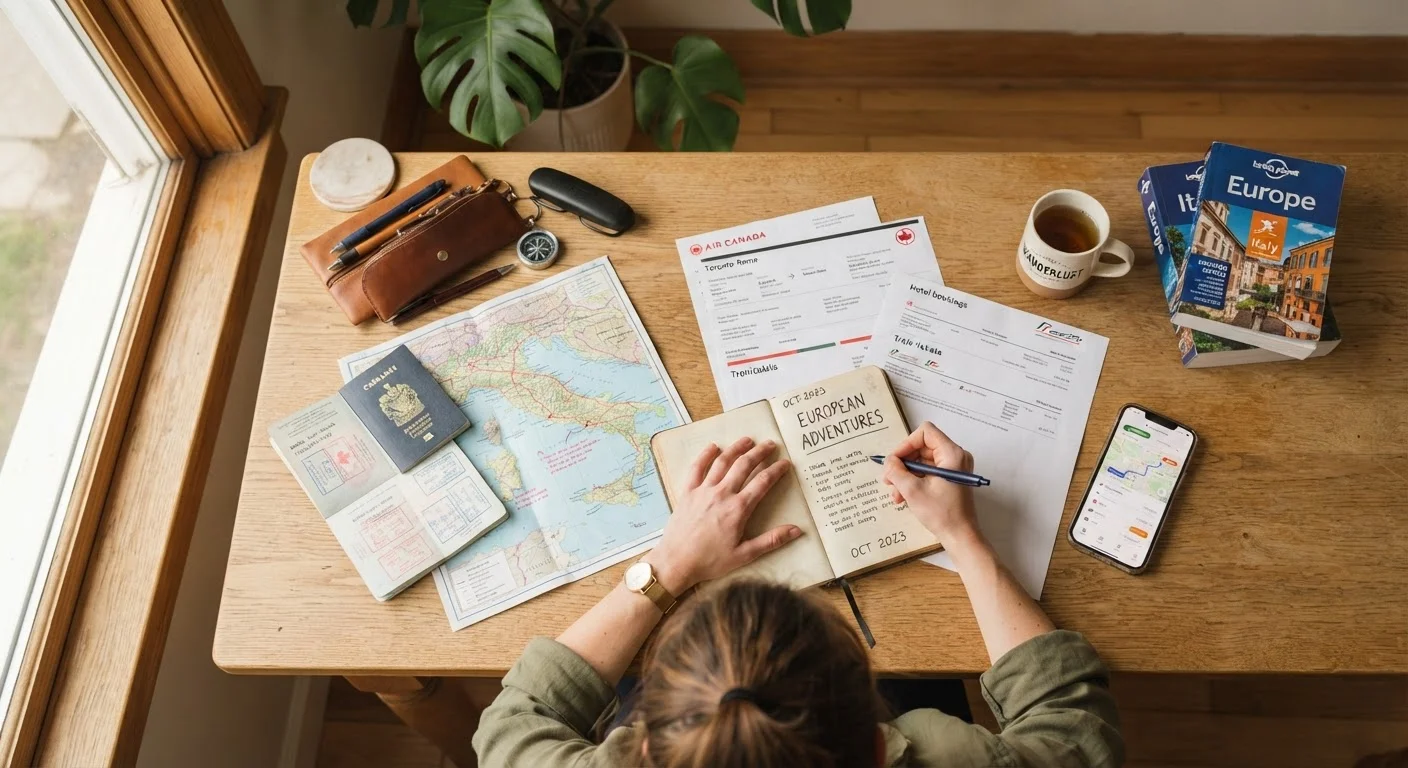
Photo: TrendingResults.net | Discover More, Trend More editorial
Key Takeaways
- Your passport validity - not just its expiration date - determines whether you can enter many countries.
- Health prep, including vaccinations and travel insurance, should be addressed weeks before departure.
- A realistic itinerary accounts for travel time, rest, and unexpected delays - not just attractions.
- Notify your bank before traveling and understand local currency exchange options to avoid costly fees.
- Always carry physical and digital copies of your most important travel documents.
Start With Your Passport and Entry Requirements
Before you pick a hotel or browse flights, confirm that your passport is in order. Many countries require that your passport remain valid for at least six months beyond your travel dates - not just through your departure day. If yours is close to expiring, renew it first.
Next, research your destination's visa policy for U.S. citizens. Some countries offer visa-free entry or a visa-on-arrival; others require an application weeks in advance. Always verify requirements directly through the destination country's official embassy website or the U.S. State Department's travel portal - not third-party summaries that may be outdated. For a deeper look at which pre-trip questions have reliable answers online, see what's easy and what's hard to research before a trip.
Visa
An official authorization - usually a stamp or sticker in your passport - that allows you to enter, stay in, or transit through a foreign country for a defined purpose and duration.
Passport validity
The period during which your passport is considered legally current. Many countries require six months of validity beyond your departure date, not just through it.
Travel advisory
A formal notice issued by the U.S. government rating the safety conditions in a destination on a four-level scale, from normal precautions to 'Do Not Travel.'
Medical evacuation coverage
A type of travel insurance benefit that covers the cost of transporting you to appropriate medical care in an emergency - costs that can otherwise reach tens of thousands of dollars.
Itinerary
A detailed plan of your trip, including travel dates, destinations, accommodations, and planned activities, used to organize your time and guide decisions on the road.
Foreign transaction fee
A charge some banks or credit card issuers add when you use your card for purchases or ATM withdrawals in a foreign currency, typically ranging from 1-3% per transaction.
Health Prep Before You Fly
Health preparation is one of the most time-sensitive steps in international trip planning - and one first-timers most often leave too late. Some vaccinations require multiple doses spread over several weeks, so aim to consult a travel medicine provider or your primary care physician at least four to six weeks before departure.
The CDC maintains destination-specific travel health pages that list recommended and required vaccinations, current health alerts, and food and water safety guidance. These are general educational resources; your personal health history will shape what's actually appropriate for you, so get professional guidance before acting on any list.
Travel health insurance is a separate but equally important consideration. Standard U.S. health insurance often provides limited or no coverage abroad. A travel insurance policy that includes emergency medical evacuation can protect you from costs that would otherwise be enormous. This is general information - review any policy's actual terms carefully, and consult a licensed professional for advice tailored to your situation.
Book a Travel Medicine Appointment Early
Building a Realistic Itinerary
One of the most common first-timer mistakes is cramming too much into too little time. A packed itinerary looks exciting on paper but often leads to exhaustion and missed experiences. Instead, structure your days around a two or three anchor experiences with breathing room built in for meals, transit, and the unexpected.
Factor in jet lag honestly. Crossing multiple time zones affects energy and mood for several days, and it can quietly derail a trip you planned to the hour. Give yourself an easy arrival day to acclimate before diving into ambitious plans.
If you're traveling solo, the same itinerary logic applies - but with added weight on knowing your communication plan and having confirmed accommodation on arrival nights. See our end-to-end solo travel planning guide for a thorough walkthrough.
Money, Currency, and Budgeting Basics
Financial missteps abroad tend to come from two directions: unexpected fees and unfamiliar payment norms. Before you leave, notify your bank and credit card providers that you'll be traveling internationally - otherwise routine foreign transactions may trigger fraud holds that freeze your account at the worst time.
Research how widely cards are accepted at your destination. In many parts of Europe and urban Asia, cards work nearly everywhere. In rural areas or smaller markets, cash is still king. A practical approach is to arrive with a modest amount of local currency for immediate needs and then withdraw more from local ATMs as needed - but confirm your bank's international ATM fees beforehand.
For a fuller picture of costs travelers frequently underestimate before departure, run through the pre-trip budget checklist before you book anything. And if you're starting from scratch on travel budgeting concepts, travel budgeting from zero covers the core framework.
U.S. State Department Travel Portal
The official source for U.S. passport information, country-specific entry requirements, travel advisories, and embassy locations abroad. Always verify details here before booking.
CDC Travelers' Health
The CDC's destination-specific pages list recommended vaccinations, health alerts, and food and water safety tips for countries around the world. A reliable starting point for health prep conversations with your doctor.
Travel Budgeting Hub
Our travel budgeting resource hub covers cost-planning strategies, common expense traps, and how to think about money before and during a trip.
Documents, Safety, and Staying Connected
A single lost document can turn a great trip into a stressful ordeal. Before departure, make both physical and digital copies of your passport, visa, travel insurance policy, and any reservation confirmations. Store digital copies in a secure, cloud-accessible location and leave physical copies with a trusted contact at home. Our complete travel document checklist walks through everything worth carrying or storing digitally.
Check the U.S. State Department's travel advisory for your destination. The system uses a four-level scale, and understanding what each level actually means - rather than assuming any advisory equals danger - helps you make informed decisions. For a clear explanation of how to read and weigh advisories, see what travel advisories mean and how to use them.
Finally, sort out your phone plan before you fly. International roaming charges can be significant. Many travelers opt for a temporary international data plan through their carrier, a local SIM card on arrival, or a portable Wi-Fi device. Whichever route you choose, confirm it before you land - not after.
This article is for general informational purposes only. For health, insurance, and safety decisions, consult qualified professionals and verify requirements with official government sources before traveling.
Frequently Asked Questions
The content on this site is provided for informational purposes only and should not be considered a substitute for professional advice. While we strive to provide accurate and up-to-date information, we make no guarantees regarding its completeness or accuracy. Always consult a qualified professional for advice specific to your circumstances before making any decisions.