
Travel Budgeting from Zero: What You Actually Need to Know Before You Go

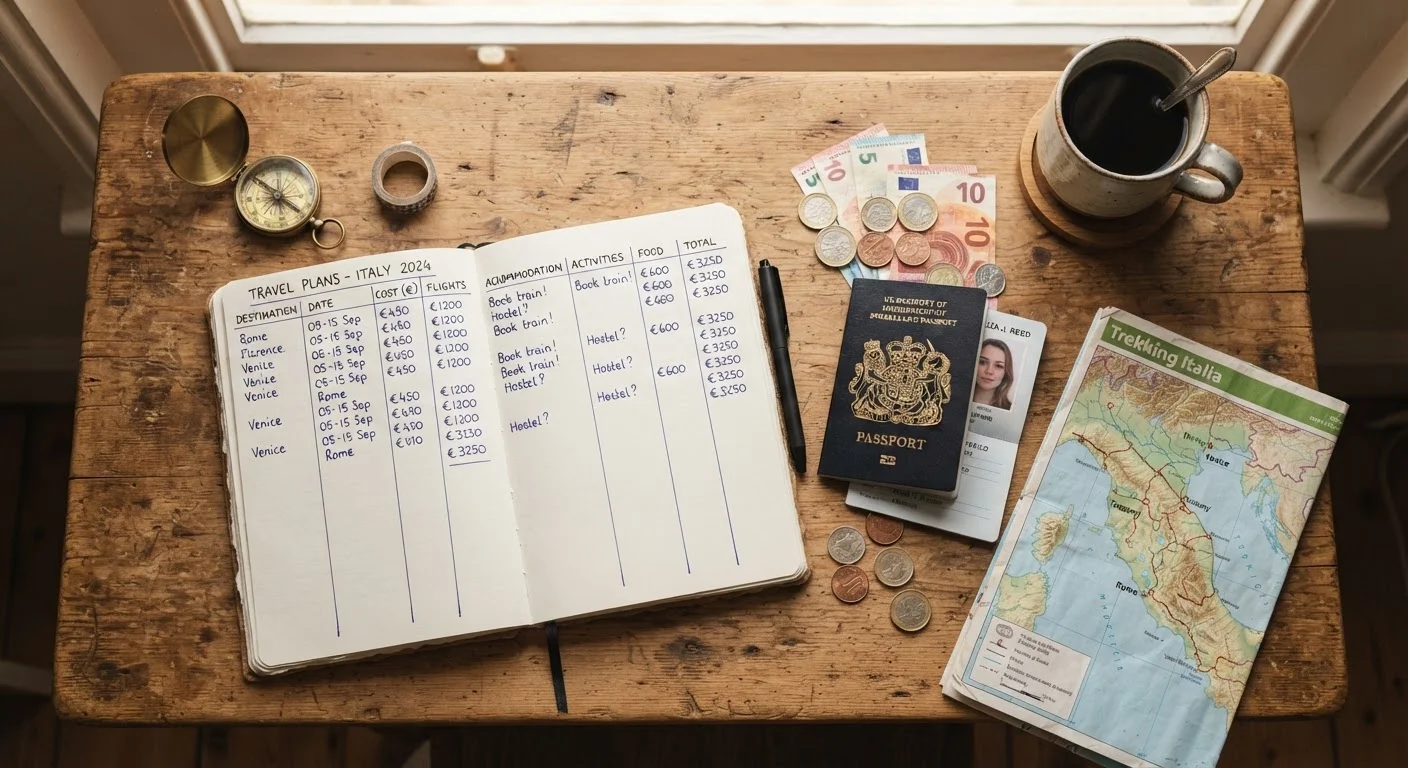
Photo: TrendingResults.net | Discover More, Trend More editorial
Key Takeaways
- Travel budgeting requires estimating costs before you spend, not just tracking them after.
- Every trip has five core cost categories: transport, accommodation, food, activities, and buffer.
- Building in a 10-15% contingency fund helps absorb unexpected costs without derailing your trip.
- Researching destination-specific costs upfront prevents the biggest planning mistakes.
- Your first budget will be imperfect - revising it as you learn more is part of the process.
Why Travel Budgeting Is Different from Everyday Budgeting
Household budgeting and travel budgeting share the same core idea - spend less than you have - but the mechanics are quite different. With a regular monthly budget, you're tracking recurring costs you already know. With a trip budget, you're estimating costs for a situation you haven't experienced yet, often in a place you've never been.
That shift from tracking to forecasting is where most beginners get stuck. If you're new to household budgeting in general, it helps to get comfortable with the basics first - see our guide to building your first household budget for a starting point. But travel budgeting has its own rhythm, and you don't need to be a spreadsheet expert to do it well. You just need a framework.
Trip budget
A forward-looking estimate of everything you expect to spend on a trip, built before you travel so you can save the right amount and make informed decisions.
Contingency fund
A reserved portion of your travel budget - typically 10-15% - set aside for unexpected costs like delays, emergencies, or unplanned opportunities.
Daily spending estimate
An average of how much you expect to spend per day at your destination, covering food, local transport, and activities - used to build a total trip cost.
Fixed vs. variable costs
Fixed costs are set before you leave (flights, accommodation), while variable costs depend on your behavior during the trip (meals, activities, shopping).
Currency exchange margin
The difference between the market exchange rate and the rate you actually receive when converting money, which represents a real cost of traveling internationally.
The Core Cost Categories Every Traveler Needs to Know
Every trip - whether it's a long weekend road trip or two weeks abroad - breaks down into five spending buckets:
- Transportation: Flights, trains, car rentals, fuel, rideshares, and airport transfers both at home and at your destination.
- Accommodation: Hotels, vacation rentals, hostels, or any place you sleep. Don't forget taxes and fees, which can add 15-25% to the listed price.
- Food and drink: Meals, groceries, coffee, snacks, and the occasional splurge dinner. Costs vary enormously by destination and dining style.
- Activities and experiences: Entry fees, tours, classes, equipment rentals, and anything else you plan to do.
- Buffer (contingency): A reserve of roughly 10-15% of your total estimated budget to cover unexpected costs - a delayed flight, a surprise medical need, or a spontaneous opportunity you don't want to miss.
For a deeper look at estimating what each of these categories will actually cost day by day, this breakdown on daily travel budgeting walks through the process step by step.
How to Set a Realistic Trip Budget Before You Book
The goal at this stage isn't a perfect number - it's an informed one. Here's a simple process to get there:
Step 1: Research destination costs
Look up average daily costs for your destination. Travel forums, recent trip reports, and tourism board resources often include real spending examples from travelers with different styles. A solo traveler in Mexico City spends very differently than one in Tokyo or New York City.
Step 2: Estimate each category
Work through the five categories above and assign a realistic dollar range to each. Use actual quotes for flights and accommodation - don't guess. For food and activities, a per-day estimate multiplied by your trip length is a practical approach.
Step 3: Add your buffer
Once you have a subtotal, add 10-15% on top. This isn't pessimism - it's just smart planning. Unexpected costs are a normal part of travel, not an anomaly.
Step 4: Compare to what you can save
If your estimated total exceeds what you can realistically set aside, you have two options: adjust the trip (shorter duration, different destination, lower accommodation tier) or extend your savings timeline. Both are valid. The number you land on should feel achievable, not aspirational to the point of stress.
Build your budget before you fall in love with a destination
Common Budgeting Mistakes First-Timers Make
Even well-intentioned budgeters leave money on the table - or blow past their limit - because of a few predictable blind spots:
- Forgetting pre-trip and post-trip costs: Parking at the airport, baggage fees, travel insurance, and visas are real costs that often get missed in the excitement of planning.
- Underestimating food: Many travelers budget for sit-down meals but forget about coffee, snacks, drinks, and the occasional convenience purchase.
- Ignoring currency exchange costs: Exchanging currency or using a card abroad often comes with fees or unfavorable rates. Factor this in, especially for international trips.
- Treating the budget as fixed: Your first draft should be revised as you learn more. Prices change, plans shift, and new information should update your numbers.
For a thorough rundown of costs travelers commonly overlook, check our pre-trip budget checklist before you finalize anything.
Your Next Steps After You Have a Number
Once you have a working budget estimate, the next move is turning it into an action plan. That means deciding how long you'll save, where that money will sit, and how you'll track spending once you're on the road.
If you're heading abroad for the first time, budgeting is just one piece of the preparation puzzle. Our guide for first-time international travelers covers the other essentials - visas, health prep, itinerary basics - so nothing catches you off guard. It also helps to think about how far in advance to start planning, since timing affects both your savings runway and what prices you'll see.
When you're ready to get more strategic about where your travel dollars go, stretching your travel budget without cutting the good stuff offers practical ways to spend less on logistics so more of your money goes toward what actually makes a trip memorable.
The most important thing: start. An imperfect budget built now beats a perfect one that never gets made.
Frequently Asked Questions
The content on this site is provided for informational purposes only and should not be considered a substitute for professional advice. While we strive to provide accurate and up-to-date information, we make no guarantees regarding its completeness or accuracy. Always consult a qualified professional for advice specific to your circumstances before making any decisions.