
The Documents Every Traveler Should Have Before Leaving Home

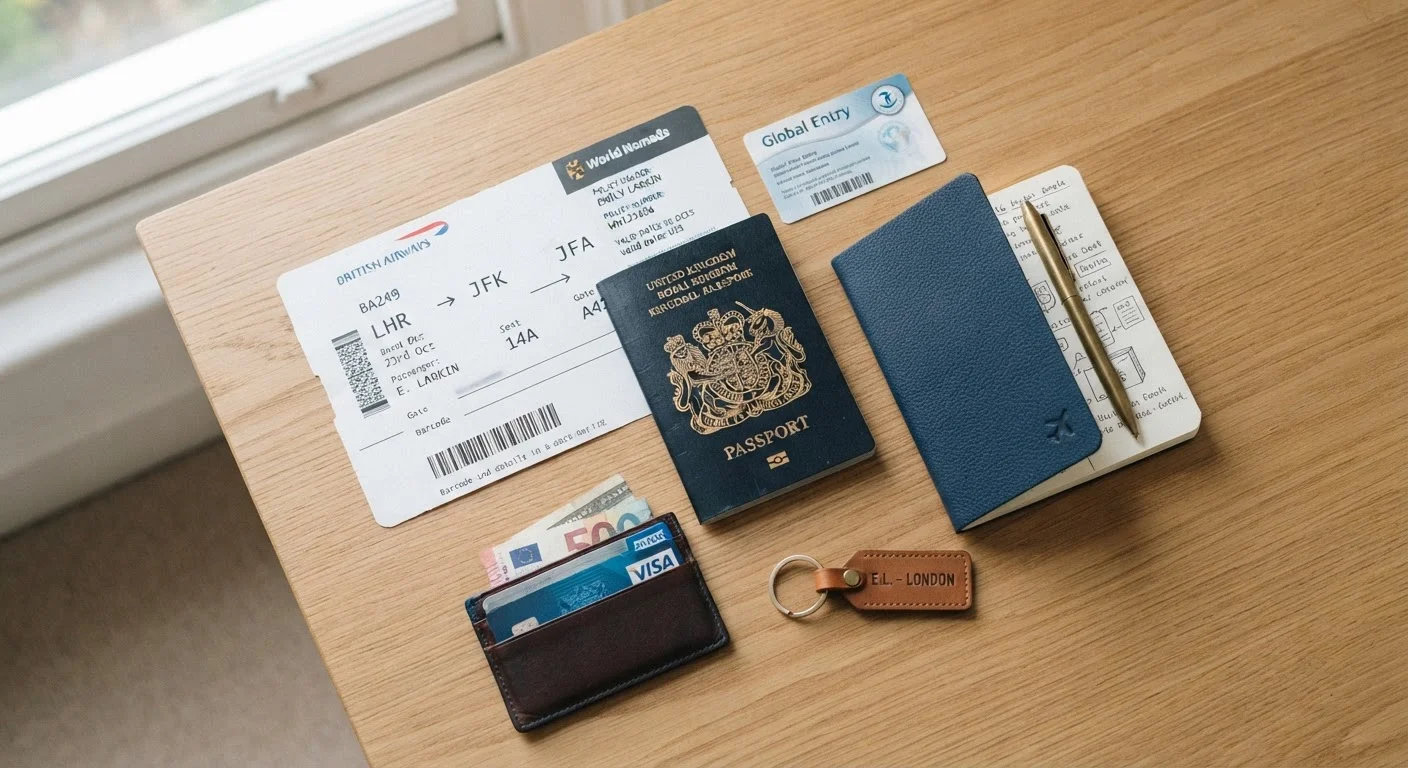
Photo: TrendingResults.net | Discover More, Trend More editorial
Key Takeaways
- Always carry both physical and digital copies of your most critical travel documents.
- International trips require additional documents that domestic trips don't - plan well in advance.
- Travel insurance paperwork should be accessible on your phone, not just buried in email.
- Emergency contact information and medical details can be lifesaving if something goes wrong abroad.
- Verify passport validity and visa requirements at least six weeks before your departure date.
Why Getting Your Documents Right Matters
A missed document at the airport or border crossing isn't just an inconvenience - it can mean a denied boarding, a canceled trip, or a stressful scramble in a foreign country. The good news: a little advance prep eliminates almost all of that risk.
This checklist covers every document worth having on hand before you leave home, whether you're crossing state lines or flying internationally. For a closer look at how planning shifts depending on your destination type, see our guide on domestic vs. international trip planning.
Work through this list at least one to two weeks before departure - some documents (like visas) may take considerably longer to obtain. Use the checklist groups below to audit what you have and flag what still needs action.
Secure Cloud Storage (e.g., any encrypted cloud service)
Store digital copies of all critical documents so they're accessible from any device if your bag is lost or stolen.
Travel Document Organizer
A physical folder or passport wallet that keeps all paper documents sorted and easy to access at security checkpoints.
U.S. State Department STEP Portal
Enroll your international trip so the U.S. embassy can contact you in case of emergency, natural disaster, or civil unrest.
Offline Document App
Keep scans of key documents accessible on your phone without needing Wi-Fi or cellular service.
How to Organize and Store Your Documents
The smartest approach is a two-layer system: physical originals you carry, and digital backups you can access even if your bag goes missing. Store digital copies in a secure, cloud-synced location - a password-protected folder accessible from your phone works well. You can also email key documents to yourself as a quick backup.
For physical copies, a slim travel document organizer keeps everything in one place and makes airport security faster. Keep your most-used items (boarding passes, ID) at the top and rarely-needed documents (insurance details, prescription letters) tucked behind.
Don't Rely Solely on Your Phone
Traveling solo adds an extra layer of importance to this step - if no travel companion can vouch for your details in a pinch, your documents need to speak for themselves. Our solo travel planning guide covers document prep as part of a broader safety strategy.
Also worth knowing: digital tools like offline document apps can keep your paperwork accessible even without Wi-Fi. Learn more in our overview of offline maps and digital travel tools.
Identity & Entry Documents
Flights, Accommodations & Transportation
Travel Insurance & Health Documents
Financial & Emergency Documents
The content on this site is provided for informational purposes only and should not be considered a substitute for professional advice. While we strive to provide accurate and up-to-date information, we make no guarantees regarding its completeness or accuracy. Always consult a qualified professional for advice specific to your circumstances before making any decisions.