
Solo Travel Planning from Start to Finish

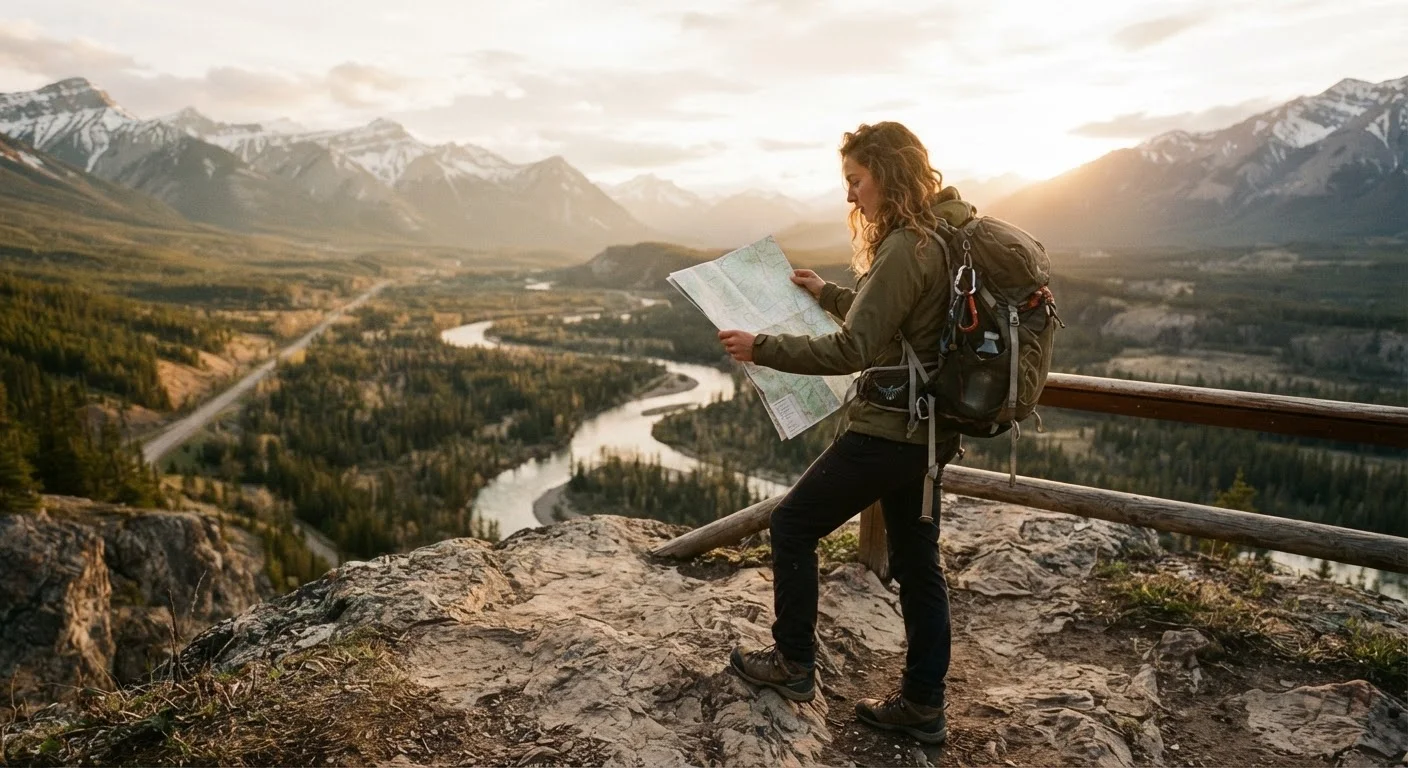
Photo: TrendingResults.net | Discover More, Trend More editorial
Key Takeaways
- Match your first solo destination to your experience level and comfort zone.
- Build buffer time into your itinerary - over-scheduling is the most common solo travel mistake.
- Share your detailed itinerary with a trusted contact before you leave.
- Solo travel costs more per person than group travel - budget accordingly.
- A local SIM card or international data plan keeps you navigable and reachable abroad.
- Verify visa, entry, and safety requirements through official government sources before booking.
Choosing the Right Destination for Your First Solo Trip
The destination you choose sets the difficulty level for your entire trip. Factors like language barriers, public transit quality, and general infrastructure all affect how smoothly you'll navigate on your own. If this is your first solo trip, leaning toward destinations with straightforward transportation, widely spoken English, and well-established solo traveler communities can reduce friction significantly.
Domestic destinations - major cities, national parks, or coastal regions - are a natural starting point. They eliminate concerns about currency exchange, international phone plans, and entry documentation. If you're drawn to international travel, our guide on planning your first international trip walks through the additional layers involved.
Research safety conditions specific to solo travelers at your shortlisted destinations. The U.S. State Department publishes travel advisories by country, and many cities publish neighborhood-level safety guidance. Check these sources directly rather than relying solely on travel forums, where experiences vary widely.
When evaluating a destination solo, look up the country's 'solo female traveler' or 'solo traveler' forums specifically - they surface practical, ground-level safety nuances that general travel guides often skip.
Book your first night's accommodation in advance, even if you prefer spontaneity elsewhere - arriving somewhere new alone without a confirmed bed creates unnecessary stress and decision fatigue.
Building Your Itinerary Without Over-Scheduling
One of the biggest solo travel mistakes is treating your itinerary like a checklist to race through. Without group consensus slowing you down, it's tempting to pack in every museum, hike, and neighborhood - but that path leads to exhaustion by day two. Our editorial piece on why carefully planned vacations fall apart explores exactly this pattern.
A practical rule: plan no more than two anchored activities per day, leaving the rest open. Solo travel's greatest advantage is flexibility - you can linger somewhere unexpected, change direction entirely, or take a rest day without negotiating with anyone.
Use a simple structure for each day: one morning anchor, one afternoon anchor, and an open evening. Build at least one full buffer day into any trip longer than five nights. For guidance on how far out to start this process, see how far in advance you should plan.
Safety Planning Every Solo Traveler Should Do
Solo travelers carry full personal responsibility for their safety, so proactive planning matters more than it might in a group. Start with these non-negotiable steps before departure:
- Share your itinerary with at least one trusted person at home - hotel names, confirmation numbers, and any planned excursions.
- Register with the Smart Traveler Enrollment Program (STEP) if traveling internationally. This free State Department service alerts you to local emergencies and helps the embassy locate you if needed.
- Identify local emergency contacts at your destination - the nearest embassy or consulate, local emergency numbers, and your accommodation's 24-hour line.
- Store digital and physical copies of your passport, travel insurance card, and key reservation confirmations separately from the originals.
Always Verify Entry and Safety Information Officially
Safety conditions change. Always verify current travel advisories and entry requirements through the U.S. State Department (travel.state.gov) and your destination country's official immigration authority - not third-party travel sites - before you finalize any booking.
Budgeting Smart for a Solo Trip
Solo travel has a real financial reality that group trips don't: you absorb every cost alone. Hotel rooms, rental cars, and tour bookings priced per unit rather than per person mean your per-day spend will often run higher than it would traveling with a partner or group. Building an honest budget before you book is essential.
Our travel budgeting guide for beginners covers the core concepts from scratch. Before departure, also run through the pre-trip budget checklist to catch costs travelers commonly overlook - including travel insurance, baggage fees, and tipping norms at your destination.
For broader money strategies by trip type, the Travel Budgeting hub is a useful ongoing reference. One area worth specific attention: travel insurance. As a solo traveler, a medical emergency or trip cancellation has no one to share the financial impact with - understanding your coverage options is worth the time.
25%
Share of U.S. travelers who traveled solo
A MMGY Global Portrait of American Travelers survey found roughly one in four American travelers had taken a solo trip in a recent survey period.
Solo premium
Higher per-person cost vs. group travel
Industry travel analysts consistently note that solo travelers pay more per person for accommodations and transport because costs aren't shared across multiple travelers.
Packing and Staying Connected on Your Own
Solo packing follows one guiding principle: you carry everything yourself, every step of the way. Overpacking becomes a physical burden fast - especially if you're navigating transit, stairs, or cobblestone streets. A carry-on-sized bag forces useful constraints and eliminates baggage fee risk.
Connectivity deserves serious attention. Being reachable and able to navigate are safety considerations, not just conveniences. For international destinations, research whether an international plan through your current carrier or a local SIM card at your destination makes more financial sense - this varies significantly by country and trip length.
Key items that solo travelers specifically benefit from:
- A portable battery pack to keep your phone charged throughout the day
- A door alarm or simple security device for added peace of mind in accommodations
- Offline maps downloaded before departure (Google Maps and Maps.me both support this)
- A small first-aid kit and any prescription medications with documentation
If your solo trip takes you somewhere like New York City or a destination as remote as Alaska, connectivity and self-sufficiency planning will look very different - tailor your prep accordingly.
This article provides general travel planning information for educational purposes. Always verify safety advisories, entry requirements, and insurance coverage through official sources before traveling.
The content on this site is provided for informational purposes only and should not be considered a substitute for professional advice. While we strive to provide accurate and up-to-date information, we make no guarantees regarding its completeness or accuracy. Always consult a qualified professional for advice specific to your circumstances before making any decisions.