
Alaska Travel: The Core Decisions That Shape Your Whole Trip

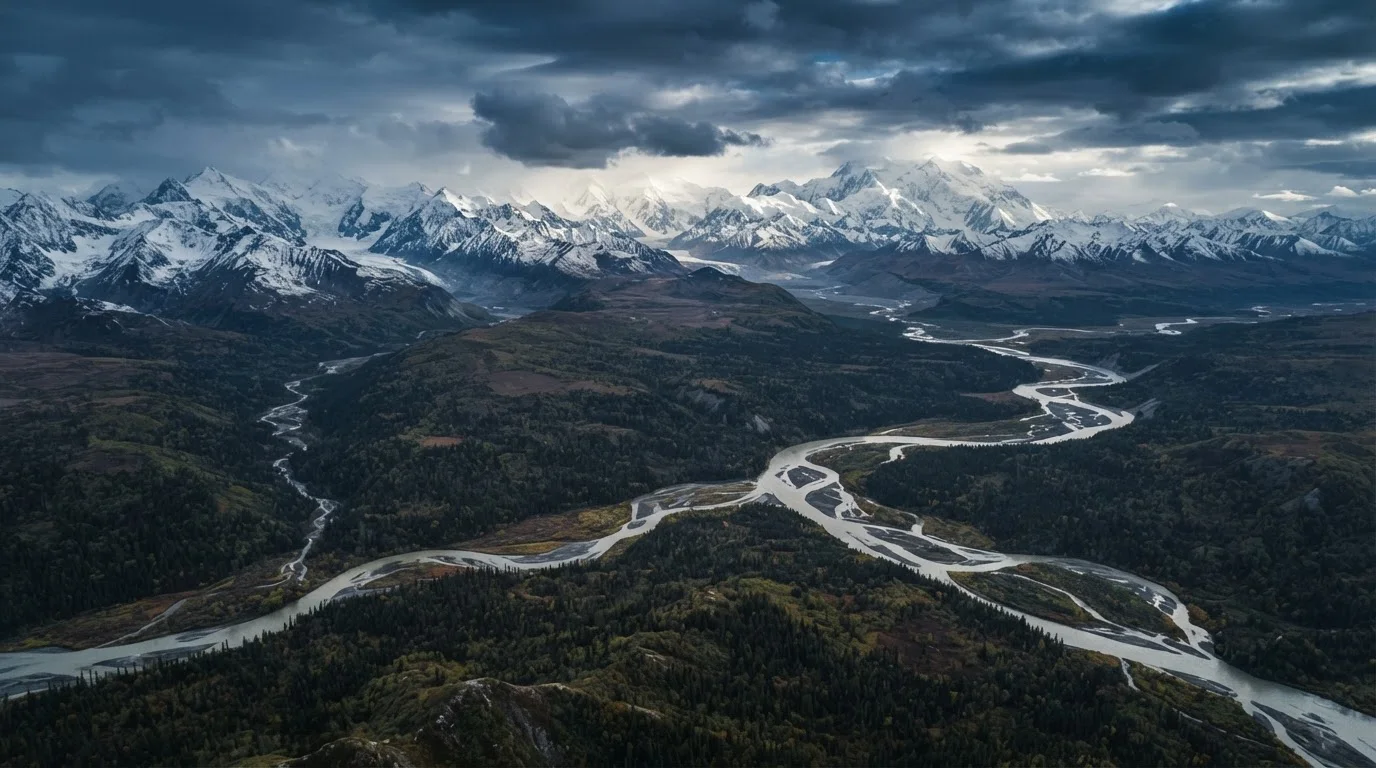
Photo: TrendingResults.net | Discover More, Trend More editorial
Key Takeaways
- Alaska's geography is so vast that your mode of travel determines which experiences are actually accessible to you.
- Independent driving works well along the road-accessible corridor but leaves most of the state unreachable.
- Cruises offer coastal scenery efficiently but limit time in any single destination.
- Fly-in lodges and guided tours unlock remote Alaska but typically cost significantly more.
- Timing your visit around shoulder versus peak season affects wildlife sightings, crowd levels, and weather.
- Working through this checklist before booking can prevent costly mismatches between expectations and reality.
Why Alaska Demands a Different Kind of Pre-Trip Thinking
Alaska is the largest state in the U.S. by a wide margin - roughly 2.5 times the size of Texas - yet it has fewer paved roads than many individual counties in the Lower 48. That geographic reality is the single most important fact to internalize before you start planning. The mode of travel you choose isn't just a preference; it's a filter that determines which landscapes, wildlife, and communities you can realistically reach.
Visitors who don't think through this early often end up either confined to the Anchorage-Fairbanks corridor (perfectly valid, but a fraction of what Alaska offers) or surprised by how remote and logistically complex fly-in destinations really are. The checklist below is designed to help you audit your priorities, budget, and comfort level so your planning decisions build on each other rather than contradict each other.
For a broader framework on turning those decisions into a day-by-day plan, see our guide to building a travel itinerary that actually works. And if you're weighing whether to visit during the busy summer or the quieter shoulder months, our piece on peak versus off-season travel walks through the trade-offs in detail.
Tools and Resources to Have Ready
Before working through the checklist, gather these resources. Having them at hand will help you answer the decision points accurately rather than guessing.
Alaska Department of Transportation Road Conditions
Check current road status, closures, and seasonal access restrictions for major and remote routes.
National Park Service Alaska Region Website
Review permit requirements, reservation systems, and seasonal access for Denali, Kenai Fjords, Katmai, and other parks.
Alaska Marine Highway System Schedule
Research ferry routes, schedules, and booking windows for coastal and island travel.
Satellite Communicator (e.g., personal locator beacon)
Maintain two-way communication and emergency signaling capability in areas without cell service.
NOAA Weather Alaska Forecasts
Monitor localized weather conditions, which can shift rapidly and affect both safety and scheduling.
The Core Decisions Checklist
Work through each group in order. Later decisions - gear, activities, budget - depend heavily on the travel mode you commit to first.
Travel Mode Selection
Timing and Seasonality
Budget and Cost Realism
Safety and Preparedness
Logistics and Booking
Emergency Evacuation Costs Are Not Trivial
Putting It All Together
Alaska rewards travelers who do the homework upfront. A mismatch between travel mode and expectations - arriving in Juneau hoping to drive to Denali, or booking a cruise and expecting backcountry solitude - is far harder to fix once you're there. Use the checklist above as a living document: revisit it as quotes come in and plans shift.
If you're coordinating this trip with others, our group travel planning guide covers how to align conflicting priorities without losing momentum. Solo travelers should check out solo travel planning from start to finish for safety considerations specific to remote destinations. And if you find yourself comparing Alaska to another iconic American destination, our Hawaii island-by-island guide offers a useful contrast in how geography shapes a trip differently.
This article is for general informational and educational purposes only. Travel conditions, entry requirements, weather, road access, and wildlife activity in Alaska can change. Verify current conditions with official sources - including the Alaska Department of Transportation, the National Park Service, and your chosen operators - before finalizing any plans.
The content on this site is provided for informational purposes only and should not be considered a substitute for professional advice. While we strive to provide accurate and up-to-date information, we make no guarantees regarding its completeness or accuracy. Always consult a qualified professional for advice specific to your circumstances before making any decisions.