
Hawaii Island by Island: Matching Each Island's Character to Your Travel Style

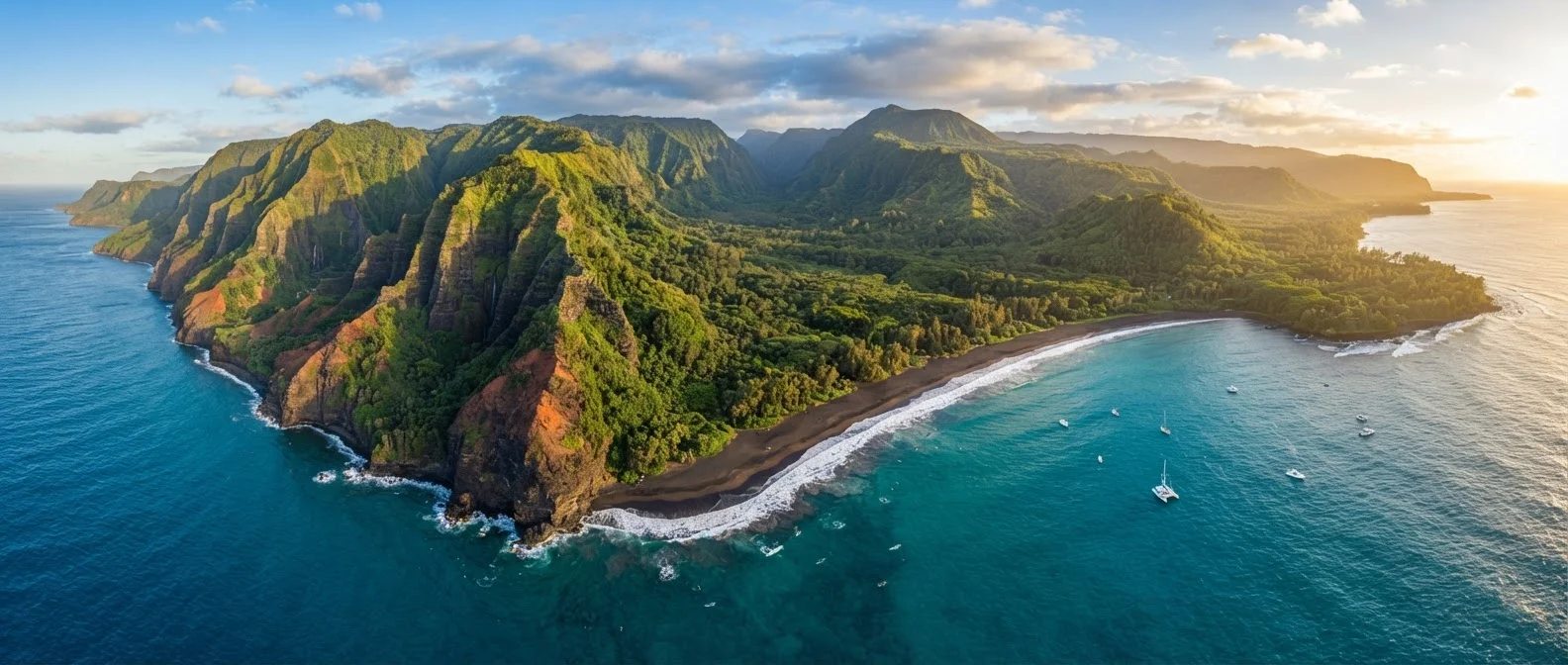
Photo: TrendingResults.net | Discover More, Trend More editorial
Key Takeaways
- Each major Hawaiian island has a distinct personality - they are not interchangeable.
- Oahu suits first-timers and those who want nightlife, history, and city amenities.
- Kauai rewards travelers who prioritize dramatic scenery and slower-paced exploration.
- The Big Island is the only island where you can observe active volcanic landscapes.
- Maui strikes a middle ground with resort infrastructure and genuine natural highlights.
- Island-hopping is possible but adds cost and logistics - most trips focus on one or two islands.
Why Island Choice Matters More Than You Think
Hawaii is often treated as a single destination, but its major islands are as different from each other as distinct countries. Choosing the wrong one for your travel style - or expecting each to deliver the same experience - is the most common source of Hawaii trip disappointment.
The four main visitor islands (Oahu, Maui, Kauai, and the Big Island of Hawaii) vary dramatically in infrastructure, landscape, pace, and crowd levels. Some have busy resort corridors and abundant public transit options; others require a rental car and reward patience. Getting this decision right before you book is arguably more important than any logistical detail that comes after. Once you've locked in the island, you can focus on structuring a realistic itinerary around it.
Molokai and Lanai Are Worth Knowing About
Oahu: Energy, Culture, and Urban Convenience
Oahu is Hawaii's most visited island, and for good reason: it packs more variety into a single island than anywhere else in the state. Honolulu offers the only true metropolitan experience in Hawaii - museums, a walkable neighborhood scene, diverse dining, and reliable public transportation. Waikiki Beach is iconic and crowded, but the island's North Shore delivers a completely different, surf-culture-driven atmosphere.
Oahu is an especially strong choice for first-time visitors, families with varied interests, history buffs (Pearl Harbor and the Bishop Museum are world-class), and anyone who'd feel uneasy without urban amenities nearby. It's also well-suited to travelers who want flexibility without a rental car for at least part of their stay.
When visiting Oahu, resist the temptation to stay entirely within Waikiki. Renting a car for even one or two days to explore the windward coast and North Shore reveals a completely different island.
On Kauai, check weather forecasts by specific region - not just for the island overall. The south shore near Poipu can be sunny while the north shore receives heavy rain on the same afternoon.
The trade-off: Oahu can feel overwhelming if you came to Hawaii for seclusion. Traffic around Honolulu is real, and Waikiki can feel like a beach-adjacent shopping mall during peak periods. If your mental image of Hawaii is untouched nature and peaceful mornings, set expectations accordingly or add time on another island.
Maui: Romance, Resort Comfort, and Scenic Variety
Maui occupies a sweet spot between Oahu's urban energy and Kauai's wilderness intensity. It has a well-developed resort infrastructure - particularly in Wailea and Kaanapali - but also delivers genuine natural highlights: the Road to Hana, Haleakala National Park at sunrise, and diverse snorkeling along its west coast.
It's the island most commonly chosen for honeymoons and anniversaries, and resort amenities here tend to be polished. But Maui also works well for families and active travelers. The island is large enough that driving between different regions exposes you to dramatically different microclimates and landscapes - dry and sunny in the west, lush and wet in the east.
10,023 ft
Summit elevation of Haleakala volcano, Maui
Haleakala National Park draws hundreds of thousands of visitors annually for its above-cloud sunrise views.
4,028 sq mi
Total area of the Big Island of Hawaii
The Big Island is larger than all other Hawaiian islands combined, according to the U.S. Geological Survey.
~10 million
Annual visitors to Hawaii (pre-pandemic baseline)
Hawaii Tourism Authority data showed visitor arrivals approaching 10 million in years prior to 2020, with Oahu receiving the largest share.
Note that Maui has been deeply affected by the 2023 Lahaina wildfire. Visitors should check current conditions and community guidance before traveling, and approach the former Lahaina town area with particular sensitivity and awareness of local wishes. Responsible tourism choices - like supporting locally owned businesses that have reopened - genuinely matter here.
Kauai: Raw Nature and Quiet Escape
Kauai is routinely described as Hawaii's most beautiful island, and the Na Pali Coast - reachable only by boat, helicopter, or a strenuous trail - is among the most dramatic coastlines on the planet. The island is also the least commercially developed of the four major islands: building heights are capped, there are no traffic lights in some areas, and the overall pace is noticeably slower.
This makes Kauai ideal for hikers, kayakers, photographers, and anyone who genuinely wants to unplug. It's less well-suited to travelers who need reliable nightlife, extensive dining variety, or seamless urban conveniences. A rental car is essentially mandatory - distances are manageable, but public transit is limited. Weather is also more variable than on Oahu or Maui, with the wetter north shore receiving significant rainfall.
Kauai can be a wonderful fit for solo travelers drawn to self-directed outdoor exploration, as well as couples seeking a quieter, more intimate version of Hawaii.
The Big Island: Extremes, Adventure, and Space
Hawaii Island - called the Big Island to avoid confusion with the state name - is larger than all other Hawaiian islands combined. That scale translates into a stunning range of environments: active lava fields, snow-capped Mauna Kea, tropical rainforests, black and green sand beaches, and the dry, ranch-dotted Kohala Coast, all on a single island.
The Big Island is the only place in the U.S. where you can observe an actively erupting volcanic landscape. Hawaii Volcanoes National Park is the centerpiece attraction. The island also draws stargazers - Mauna Kea is home to world-class observatories and one of the clearest night skies accessible to visitors in the Northern Hemisphere.
The trade-off is that the Big Island requires more planning and driving than other islands. The two main resort areas (the Kohala Coast and Hilo) are very different in character and weather, and choosing where to base yourself matters significantly. If you're planning a group trip, the Big Island's range of experiences can accommodate diverging preferences - but you'll need a clear logistics plan.
Matching Your Travel Style to the Right Island
Use these broad profiles as a starting framework - not a strict prescription:
- First-time visitor or mixed-interest group: Oahu gives you the most variety with the least logistical friction.
- Beach relaxation with resort comfort: Maui's west coast delivers reliably sunny weather and well-maintained resort infrastructure.
- Nature immersion and hiking: Kauai for dramatic scenery; the Big Island for volcanic and ecological extremes.
- Romance and seclusion: Kauai or the quieter parts of Maui's upcountry.
- Science, history, and unique experiences: The Big Island for volcanoes and stargazing; Oahu for military history and cultural museums.
Island-hopping across two islands in a single trip is feasible, but inter-island flights add cost, and travel days eat into experience time. Most travelers are better served by going deeper on one island than skimming two. Whatever you choose, thinking carefully about where you'll stay - resort, vacation rental, or boutique inn - shapes your daily experience just as much as which island you pick.
Hawaii is genuinely one of the most varied destinations in the United States. The more honestly you can assess what you want from the trip before you book, the more likely you are to find it.
This article provides general travel information for educational purposes. Conditions, access, and community guidance can change - always verify current status with official sources before traveling, and respect local communities and cultural sites throughout your visit.
The content on this site is provided for informational purposes only and should not be considered a substitute for professional advice. While we strive to provide accurate and up-to-date information, we make no guarantees regarding its completeness or accuracy. Always consult a qualified professional for advice specific to your circumstances before making any decisions.