
Traveling with Kids: What Changes in the Planning Process

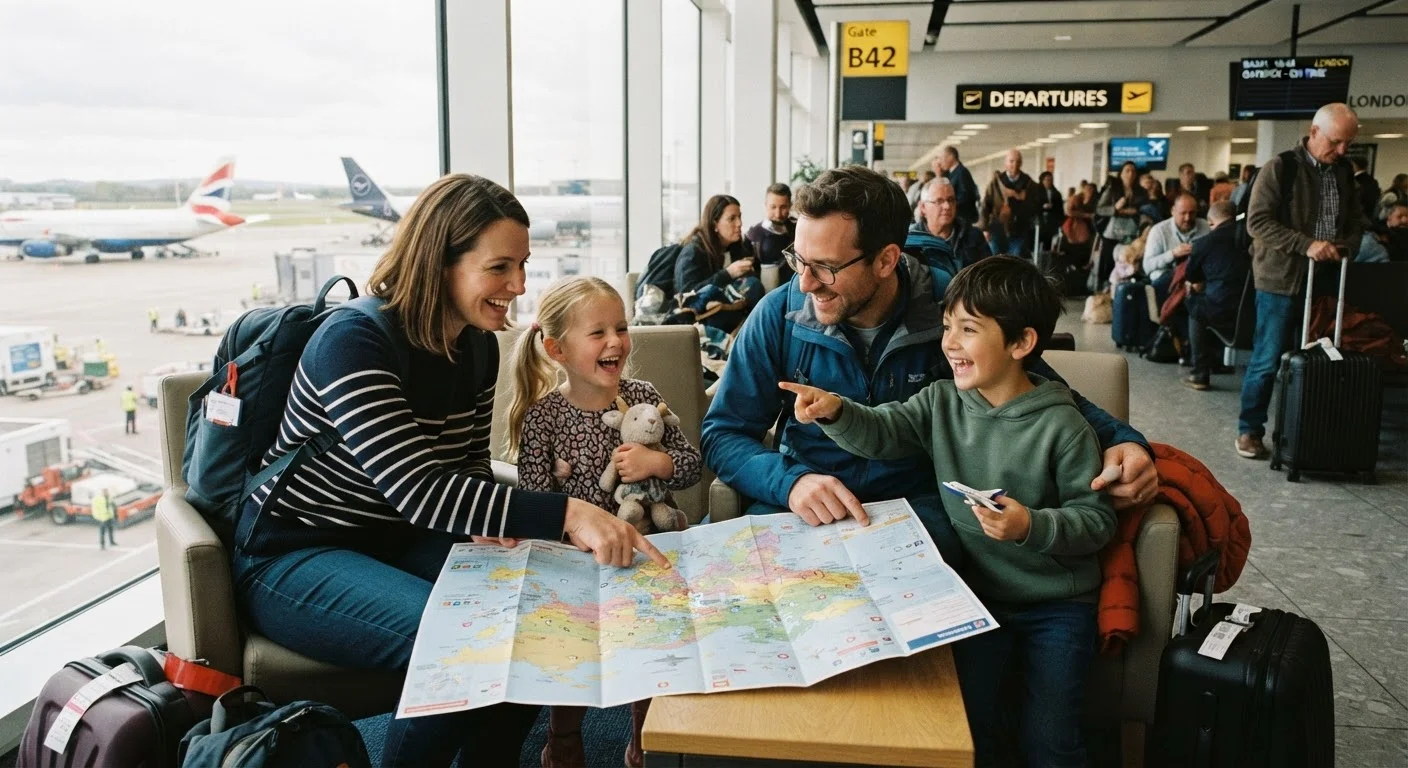
Photo: TrendingResults.net | Discover More, Trend More editorial
Key Takeaways
- Kids require slower pacing, earlier bookings, and more built-in flexibility than adult-only trips.
- Nap schedules, meal timing, and rest days aren't optional extras - they shape the entire itinerary.
- Family travel unlocks genuine connection and shared memories that solo or group trips rarely replicate.
- Costs rise with children, but strategic planning can keep family trips financially manageable.
- Always verify entry requirements and safety conditions through official government sources before traveling with minors.
Deepens family bonds through shared new experiences
Travel puts families in novel environments that naturally encourage teamwork, conversation, and memory-making. Research on family experience consistently links shared novel activities to stronger long-term relationships.
Expands children's worldview and adaptability
Exposure to different environments, foods, and cultures builds cognitive flexibility in children. Even domestic travel to unfamiliar regions introduces kids to perspectives outside their daily routine.
Motivates more thorough, structured planning
The need to account for kids' needs pushes parents to research destinations more carefully, which often results in a more intentional, satisfying trip for everyone.
Creates lasting memories with lasting emotional value
Childhood travel experiences are among the most frequently cited positive memories adults carry. The effort invested tends to pay dividends in family storytelling for years.
Significantly higher overall trip costs
Extra airline seats, family room pricing, and child-specific activity fees push budgets up fast. Parents often find that traveling with two children can nearly double the cost of the same trip taken as a couple.
Reduced spontaneity and flexibility mid-trip
Children thrive on routine, which constrains the ability to improvise. Skipping a nap or eating at odd hours can destabilize a young child's day in ways that affect the whole family.
Longer prep time and heavier packing requirements
Car seats, strollers, medications, snacks, and entertainment add logistics layers that take real time to organize. Families routinely report spending two to three times longer on pre-trip preparation than they would for adult-only travel.
Health and safety concerns require extra research
Access to pediatric care, food safety, and destination-specific health risks matter more when traveling with children. Parents need to verify these details through official sources rather than assuming conditions match home.
Energy-intensive travel days can exhaust the whole family
Long transit days - especially across time zones - are harder on children and, by extension, on parents managing them. Recovery time needs to be built into the first day or two at any destination.
How Family Travel Rewrites the Planning Process
Planning a trip with children isn't just adult travel with a few extra bags - it's a fundamentally different exercise. The questions shift immediately: Is this destination stroller-friendly? Are there pediatric-accessible medical facilities nearby? What happens if a child gets sick on day two? These aren't worst-case worries; they're standard planning inputs when kids are in the picture.
Where a solo traveler might structure a trip around dense sightseeing and spontaneous detours, family travel prioritizes rhythm. Nap windows, meal schedules, and manageable activity lengths become the skeleton of your itinerary. According to travel research, families with young children tend to spend significantly more time on logistics and pre-trip research than other traveler groups - and that investment pays off in fewer meltdowns and more enjoyment on the ground.
See our guide to building a travel itinerary that actually works for a framework you can adapt specifically to family pacing.
Deepens family bonds through shared new experiences
Travel puts families in novel environments that naturally encourage teamwork, conversation, and memory-making. Research on family experience consistently links shared novel activities to stronger long-term relationships.
Expands children's worldview and adaptability
Exposure to different environments, foods, and cultures builds cognitive flexibility in children. Even domestic travel to unfamiliar regions introduces kids to perspectives outside their daily routine.
Motivates more thorough, structured planning
The need to account for kids' needs pushes parents to research destinations more carefully, which often results in a more intentional, satisfying trip for everyone.
Creates lasting memories with lasting emotional value
Childhood travel experiences are among the most frequently cited positive memories adults carry. The effort invested tends to pay dividends in family storytelling for years.
The Real Challenges Parents Face on the Road
Honest family travel planning means accounting for friction, not just fun. Costs climb quickly - extra seats, larger hotel rooms, and child-friendly dining all add up. A smart travel budgeting approach becomes even more important when you're covering multiple travelers with different needs.
Flexibility, ironically, requires more planning when kids are involved. You need contingency options: backup restaurants for picky eaters, indoor activities for rain days, and rest-day buffers built into the schedule. Unlike solo travel, where pivoting is easy, a child who skips a nap or hits a boundary can reshape an entire afternoon.
Significantly higher overall trip costs
Extra airline seats, family room pricing, and child-specific activity fees push budgets up fast. Parents often find that traveling with two children can nearly double the cost of the same trip taken as a couple.
Reduced spontaneity and flexibility mid-trip
Children thrive on routine, which constrains the ability to improvise. Skipping a nap or eating at odd hours can destabilize a young child's day in ways that affect the whole family.
Longer prep time and heavier packing requirements
Car seats, strollers, medications, snacks, and entertainment add logistics layers that take real time to organize. Families routinely report spending two to three times longer on pre-trip preparation than they would for adult-only travel.
Health and safety concerns require extra research
Access to pediatric care, food safety, and destination-specific health risks matter more when traveling with children. Parents need to verify these details through official sources rather than assuming conditions match home.
Energy-intensive travel days can exhaust the whole family
Long transit days - especially across time zones - are harder on children and, by extension, on parents managing them. Recovery time needs to be built into the first day or two at any destination.
Destination Choice and Pacing: The Two Biggest Levers
Not every destination is equally family-friendly, and the gap between a good fit and a poor one is wide. Destinations with reliable infrastructure - clean water, quality medical access, easy transportation, and manageable time zone differences from home - dramatically reduce stress. Domestic trips often offer these assurances by default, though international destinations with strong tourism infrastructure can work just as well with the right research. Always verify entry requirements, vaccination recommendations, and travel advisories through official government sources like travel.state.gov before traveling abroad with minors.
Pacing may be the single most important adjustment family travelers make. Most travel experts suggest capping structured activities at one or two per day for families with children under ten, with longer stays in fewer locations rather than racing between cities. Compare this to group travel planning, where the challenge is coordinating preferences - with kids, the challenge is managing energy and attention spans.
Entry Requirements and Safety for Minors
Finances deserve a dedicated look before you book. Our overview of stretching a travel budget without shrinking the experience covers practical strategies that apply especially well to family trips.
The content on this site is provided for informational purposes only and should not be considered a substitute for professional advice. While we strive to provide accurate and up-to-date information, we make no guarantees regarding its completeness or accuracy. Always consult a qualified professional for advice specific to your circumstances before making any decisions.