
America's Desert Cities in Summer: What Extreme Heat Actually Means for Travelers

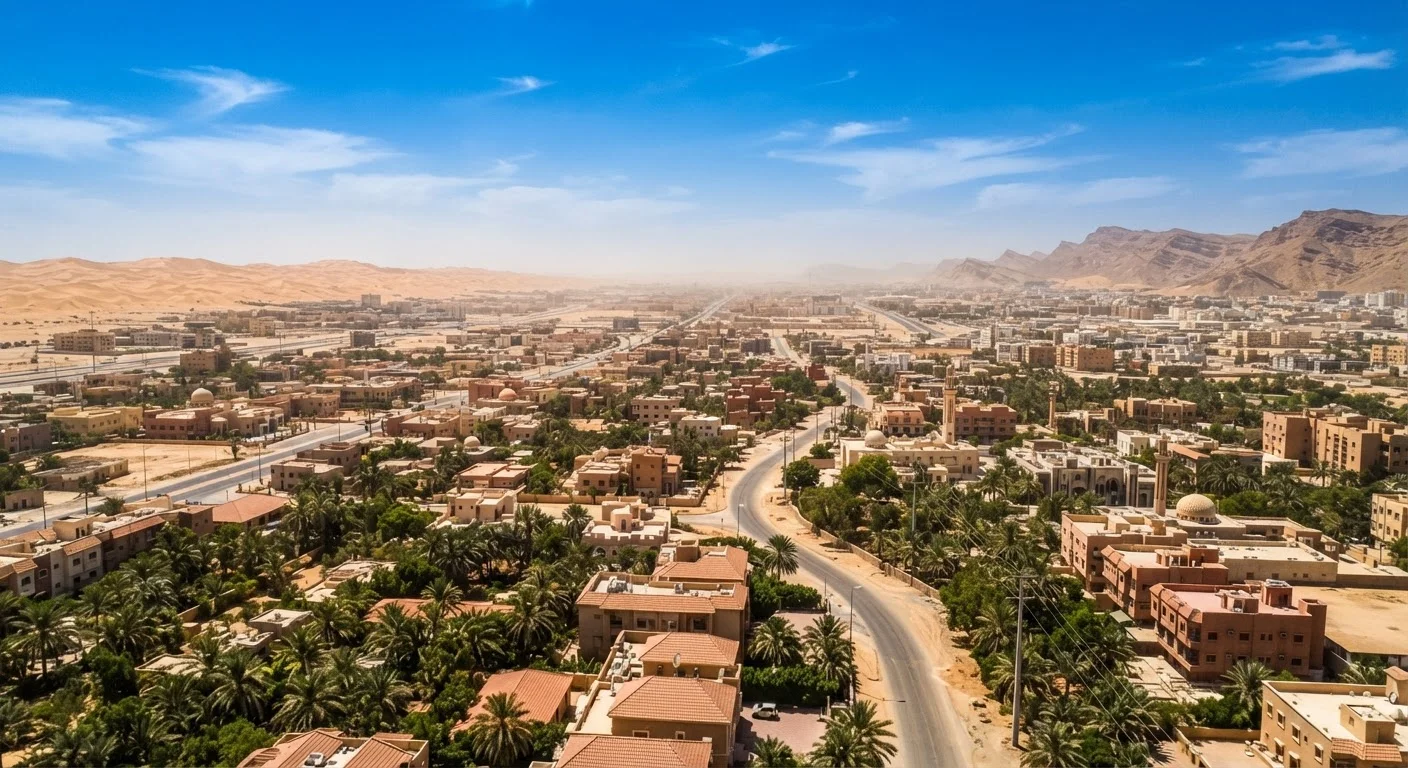
Photo: TrendingResults.net | Discover More, Trend More editorial
Key Takeaways
- Desert cities like Phoenix, Las Vegas, and Palm Springs regularly exceed 110°F from June through August.
- Summer heat creates genuine safety risks - heat exhaustion and heat stroke can develop within minutes outdoors.
- Significant travel perks exist in summer, including dramatically lower hotel rates and uncrowded attractions.
- Most indoor attractions, pools, and dining remain fully accessible, but outdoor itineraries require serious adjustment.
- Travelers with certain health conditions should consult a doctor before planning summer desert travel.
Hotel and resort rates drop significantly in summer
Premium desert resorts often reduce rates by 40-60% during peak heat months, making luxury accommodation accessible to travelers who wouldn't otherwise consider it.
World-class indoor entertainment is uncrowded
Casinos, spas, museums, and restaurants that draw long waits in cooler months tend to have easy availability in summer, making for a more relaxed pace.
Pool culture reaches its peak season
Resort pools in desert cities are designed for hot weather and are fully operational all summer, with many offering elaborate amenities like cabanas, swim-up bars, and water features.
Dry heat feels less oppressive than humid heat
While temperatures are extreme, the low humidity means sweat evaporates efficiently - many travelers find 110°F dry heat more tolerable than 90°F with high humidity, though both demand caution.
Fewer tourists mean shorter lines at popular venues
Many indoor attractions, shows, and dining venues have reduced crowds in summer, giving travelers a less rushed, more spacious experience of city amenities.
Most outdoor sightseeing is genuinely dangerous midday
Hiking, walking tours, and outdoor landmarks become high-risk activities between roughly 10 a.m. and 7 p.m. Local emergency services regularly respond to heat-related incidents involving tourists.
The heat limits your daily usable hours outdoors
Realistically, safe outdoor time is confined to early morning and evening windows - typically two to three hours on each end of the day - which dramatically narrows itinerary options.
Car interiors and surfaces become hazardous quickly
A parked car in 110°F weather can reach interior temperatures of 150°F or more within minutes. Metal surfaces like seatbelts and door handles can cause skin burns on contact.
Elevated health risk for vulnerable travelers
Children, older adults, and people with cardiovascular, kidney, or respiratory conditions face significantly higher risk of heat-related illness. Consulting a healthcare provider before travel is advisable for these groups.
Hydration demands are intense and easy to underestimate
The dry air accelerates moisture loss while masking thirst cues. Travelers need to drink water consistently throughout the day - not just when they feel thirsty - to stay safe.
What 110°F Actually Feels Like on the Ground
Numbers on a weather app don't fully prepare you for stepping off a plane into triple-digit heat. At 110°F, the air itself feels pressurized and relentless - metal seatbelts and car steering wheels can cause skin burns, asphalt radiates heat upward as intensely as the sun hits from above, and shade provides relief measured in degrees rather than transformation.
Phoenix regularly records 100°F nights, meaning the city never fully cools down. Las Vegas and Palm Springs follow similar patterns from mid-June through early September. The lack of a true overnight cool-down is what makes prolonged outdoor exposure particularly taxing - your body has no natural recovery window.
Desert cities also sit in regions where dry air accelerates sweat evaporation, which can mask how hard your body is working to stay cool. Travelers sometimes underestimate their exertion level right up until they feel dizzy or nauseous - early signs of heat exhaustion. Staying hydrated isn't a casual suggestion here; it's a non-negotiable safety measure.
Heat Illness: Know the Warning Signs
The Real Advantages of Visiting in Summer
Here's where the honest assessment gets interesting: summer is genuinely one of the most financially accessible times to visit these destinations.
Hotel and resort rates drop significantly in summer
Premium desert resorts often reduce rates by 40-60% during peak heat months, making luxury accommodation accessible to travelers who wouldn't otherwise consider it.
World-class indoor entertainment is uncrowded
Casinos, spas, museums, and restaurants that draw long waits in cooler months tend to have easy availability in summer, making for a more relaxed pace.
Pool culture reaches its peak season
Resort pools in desert cities are designed for hot weather and are fully operational all summer, with many offering elaborate amenities like cabanas, swim-up bars, and water features.
Dry heat feels less oppressive than humid heat
While temperatures are extreme, the low humidity means sweat evaporates efficiently - many travelers find 110°F dry heat more tolerable than 90°F with high humidity, though both demand caution.
Fewer tourists mean shorter lines at popular venues
Many indoor attractions, shows, and dining venues have reduced crowds in summer, giving travelers a less rushed, more spacious experience of city amenities.
Resort hotels that charge premium rates in the mild winter months frequently cut prices by 40-60% during summer. World-class spas, pools with elaborate amenities, and restaurants that would otherwise require advance planning often have same-day availability. For travelers who prioritize comfort and atmosphere over outdoor adventure, this is a real opportunity.
The entertainment infrastructure of desert cities was purpose-built for indoor living. Las Vegas's casinos, theaters, and restaurants are entirely climate-controlled ecosystems. Palm Springs' mid-century architecture and art museums are similarly designed for hot-weather enjoyment. Phoenix has a robust arts district, professional sports venues, and indoor markets that operate year-round.
The Honest Disadvantages You Need to Plan Around
Summer heat fundamentally reshapes what a desert city trip can look like, and travelers who arrive expecting a full outdoor-exploration itinerary will run into serious friction.
Most outdoor sightseeing is genuinely dangerous midday
Hiking, walking tours, and outdoor landmarks become high-risk activities between roughly 10 a.m. and 7 p.m. Local emergency services regularly respond to heat-related incidents involving tourists.
The heat limits your daily usable hours outdoors
Realistically, safe outdoor time is confined to early morning and evening windows - typically two to three hours on each end of the day - which dramatically narrows itinerary options.
Car interiors and surfaces become hazardous quickly
A parked car in 110°F weather can reach interior temperatures of 150°F or more within minutes. Metal surfaces like seatbelts and door handles can cause skin burns on contact.
Elevated health risk for vulnerable travelers
Children, older adults, and people with cardiovascular, kidney, or respiratory conditions face significantly higher risk of heat-related illness. Consulting a healthcare provider before travel is advisable for these groups.
Hydration demands are intense and easy to underestimate
The dry air accelerates moisture loss while masking thirst cues. Travelers need to drink water consistently throughout the day - not just when they feel thirsty - to stay safe.
Iconic outdoor experiences - hiking Camelback Mountain in Phoenix, exploring Red Rock Canyon near Las Vegas, or visiting Joshua Tree adjacent to Palm Springs - are actively dangerous in midday summer heat. The National Park Service and local emergency services regularly respond to heat-related rescues from hikers who underestimated conditions. If canyon country exploration is part of your broader Southwest plans, see our guide to Southwest canyon travel for a fuller picture of the risks and planning requirements involved.
Children, elderly travelers, and anyone with cardiovascular, kidney, or respiratory conditions face elevated risk in extreme heat. This isn't a reason to automatically cancel a trip, but it is a reason to have an explicit conversation with a healthcare provider before booking.
How to Structure Your Days Realistically
The travelers who enjoy summer desert cities most tend to operate on a shifted schedule. Early morning - before 8 or 9 a.m. - is the most viable window for any meaningful outdoor time. A sunrise walk, a short nature trail, or poolside time before 10 a.m. is genuinely pleasant in many desert cities, even in July.
Midday through late afternoon is best spent indoors entirely. This is when you lean into the indoor infrastructure: a long museum visit, a spa afternoon, a leisurely indoor lunch, or entertainment venues. Evenings after 7 or 8 p.m. bring temperatures back into the 90s - still warm, but manageable for outdoor dining patios, rooftop bars, or evening strolls.
110°F+
Average peak temperature in Phoenix in July
Phoenix averages more than 100 days per year above 100°F, according to National Weather Service historical data.
150°F
Interior car temperature after 20 minutes parked
Studies from the American Meteorological Society have documented car interiors reaching extreme temperatures well above ambient air temperature within minutes in direct sun.
~30 min
Time to develop heat exhaustion in direct sun at 110°F
Medical guidance from the CDC notes that heat illness can develop quickly with moderate exertion in extreme temperatures, particularly without adequate hydration.
Pack sunscreen with a high SPF, wear light-colored loose clothing, carry significantly more water than you think you'll need, and identify the nearest urgent care facilities when you arrive - not as pessimism, but as straightforward preparedness. Renting a car with reliable air conditioning isn't a luxury in this context; it's part of your safety infrastructure.
The content on this site is provided for informational purposes only and should not be considered a substitute for professional advice. While we strive to provide accurate and up-to-date information, we make no guarantees regarding its completeness or accuracy. Always consult a qualified professional for advice specific to your circumstances before making any decisions.