
Lesser-Known US National Parks Worth Building a Trip Around

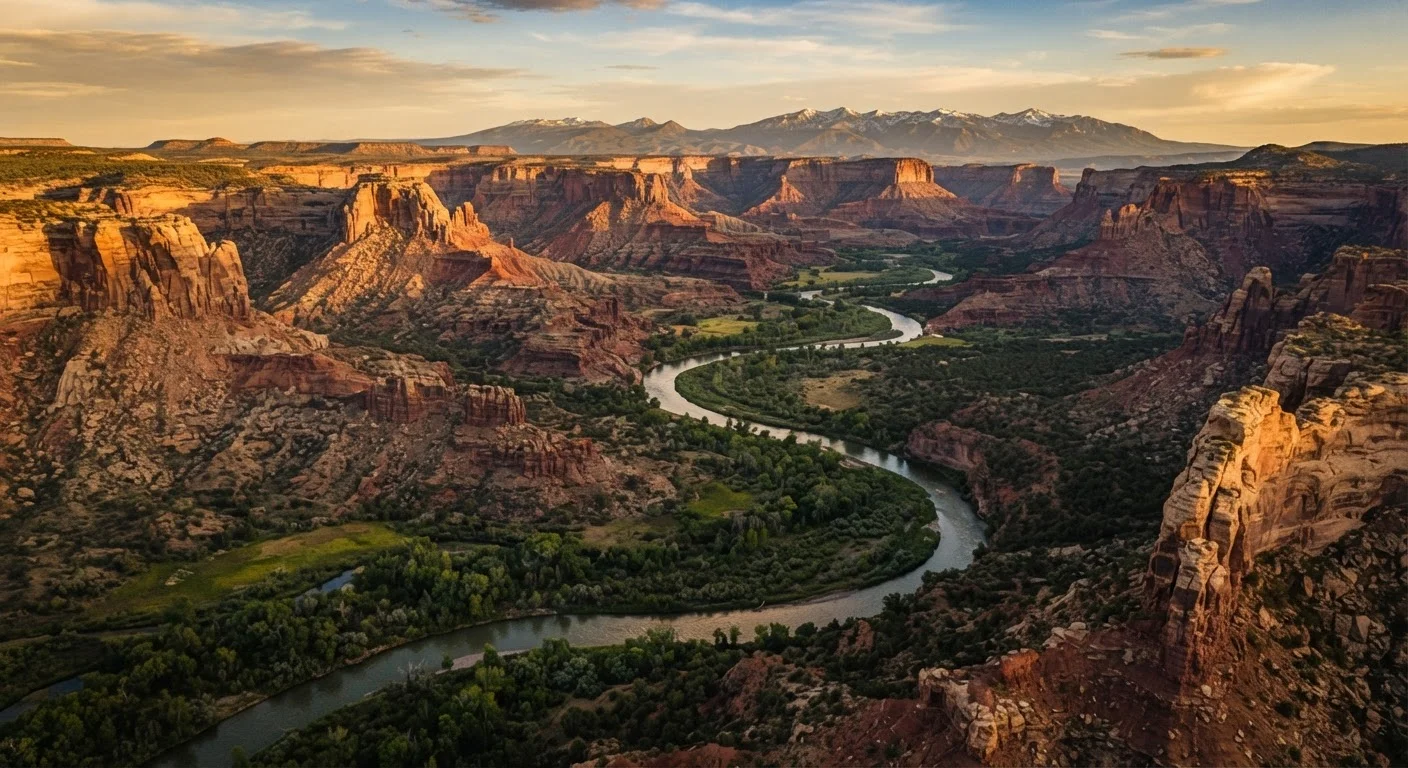
Photo: TrendingResults.net | Discover More, Trend More editorial
Key Takeaways
- Several undervisited US national parks rival famous ones in scenery but see a fraction of the crowds.
- Lower visitation often means easier permit access, more available campsites, and genuine solitude.
- Each park has distinct terrain, seasons, and logistical considerations worth researching before you commit.
- Remoteness is a real factor - some parks require significant driving and limited nearby services.
- Visiting outside peak season can dramatically improve the experience at even moderately popular parks.
Why Look Beyond the Famous Parks
Yellowstone and Yosemite earn their reputations - but they also attract millions of visitors annually, and that foot traffic shapes every part of the experience, from parking to trail access to campsite availability. If you want to actually feel like you're in wilderness rather than a theme-park queue, the National Park System's lesser-known units deserve a serious look.
The US has over 60 designated national parks, and a large share of total visitation concentrates in fewer than a dozen. That leaves a remarkable range of landscapes - from volcanic badlands to subtropical river systems - that most Americans have never walked through. Understanding what each park genuinely involves before you plan around it is the kind of homework that pays off. Our guide on evaluating destinations honestly covers exactly how to cut through the brochure version.
Great Basin National Park, Nevada
Tucked against the Nevada-Utah border, Great Basin receives fewer than 150,000 visitors in a typical year - a number Yellowstone surpasses in a slow week. Yet it contains ancient bristlecone pines (among the oldest living organisms on Earth), a glacially carved alpine lake, and some of the darkest skies in the continental US, making it a legitimate stargazing destination. Lehman Caves, managed within the park, adds a subterranean element that few other parks can match. The nearest sizable town is hours away, so arrive stocked with supplies.
Great Basin's dark skies make it one of the continent's most genuine stargazing destinations.
Congaree National Park, South Carolina
The largest intact expanse of old-growth bottomland hardwood forest in the Southeast, Congaree is a genuinely unusual landscape: flooded plains, towering champion trees, and a boardwalk trail system that puts visitors eye-level with a dense, primordial canopy. Visitation is modest enough that the park feels unhurried even on weekends. Summer is hot and humid; spring and fall offer more comfortable hiking. Firefly synchronization events in May draw more interest in recent years - permits may be required for those specific nights.
Congaree preserves the largest old-growth bottomland forest in the Southeast, largely uncrowded.
Isle Royale National Park, Michigan
A roadless island in Lake Superior accessible only by ferry or floatplane, Isle Royale self-selects for committed visitors. That barrier keeps crowds genuinely minimal - the park sees fewer visitors annually than Yellowstone gets in a day. The reward is a backcountry experience defined by wolf and moose ecology, pristine lakes, and extended trail networks without pavement in sight. The park is open seasonally (roughly late April through October); planning around ferry schedules is non-negotiable.
Isle Royale's ferry-only access filters out casual visitors, preserving a rare wilderness feel.
Black Canyon of the Gunnison, Colorado
The Gunnison River has carved one of the steepest, narrowest canyons in North America - 2,000 feet deep in places, with walls so sheer that some sections receive only 33 minutes of sunlight per day. It sits in western Colorado, far enough from the Front Range to avoid the day-tripper crowds that cluster around Rocky Mountain National Park. South Rim Road offers accessible overlooks; inner canyon routes require a wilderness permit and are genuinely technical. If you're traveling through canyon country more broadly, our article on what first-timers misunderstand about Southwest canyon country provides useful context.
Black Canyon's dramatic depth and sheer walls rival any canyon in the Southwest, with far fewer visitors.
North Cascades National Park, Washington
Often described as the American Alps, North Cascades contains more glaciers than any other national park in the contiguous US. Its rugged terrain - sharp peaks, turquoise glacial lakes, dense temperate rainforest - is genuinely spectacular, yet the park draws a fraction of visitors that its neighbor Olympic National Park does. Access routes are limited and some roads close in winter, which concentrates activity into summer months. The North Cascades Highway (SR-20) is itself a scenic drive worth building into a larger Pacific Northwest itinerary, which pairs well with the road trip comparisons we explore in our guide comparing great American drives.
North Cascades holds more glaciers than any other contiguous US park, yet remains genuinely undervisited.
Guadalupe Mountains National Park, Texas
The highest peak in Texas sits inside this park, which most travelers pass without stopping on the way to Carlsbad Caverns just across the New Mexico border. Guadalupe Mountains preserves a rare ancient marine fossil reef now exposed as rugged ridge lines, dramatic canyons, and a small but striking patch of fall color - surprising for West Texas. Infrastructure is minimal by design: no lodges, no restaurants, limited cell service. That austerity is also the point - this is one of the quieter backcountry experiences accessible from a major highway corridor.
Guadalupe Mountains contains Texas's highest peak and a fossil reef landscape few travelers stop to see.
Before You Commit to Any Park
A few universal considerations apply regardless of which park catches your eye. Cell service is sparse or absent in many of these areas, so offline maps and downloaded park guides are practical necessities, not extras. Entrance fees, permit systems, and campsite reservation windows vary significantly - some parks open reservations months in advance, while others operate first-come, first-served. Always check the official National Park Service website for current conditions and closures, which can change seasonally or after weather events.
Download Everything Before You Leave
Remoteness is the defining tradeoff of lesser-known parks. That means fewer crowds, but it also means longer drives to the nearest gas station, limited lodging within park boundaries, and self-sufficiency requirements most day-trippers don't plan for. If you're more familiar with the heavily managed experience of a place like Great Smoky Mountains - which we unpack in our guide to what that park actually involves - the operational differences at a remote park can feel significant. Go in with clear expectations, and these parks tend to exceed them.
The content on this site is provided for informational purposes only and should not be considered a substitute for professional advice. While we strive to provide accurate and up-to-date information, we make no guarantees regarding its completeness or accuracy. Always consult a qualified professional for advice specific to your circumstances before making any decisions.