
Planning a Trip to the Great Smoky Mountains: What the Park Actually Involves

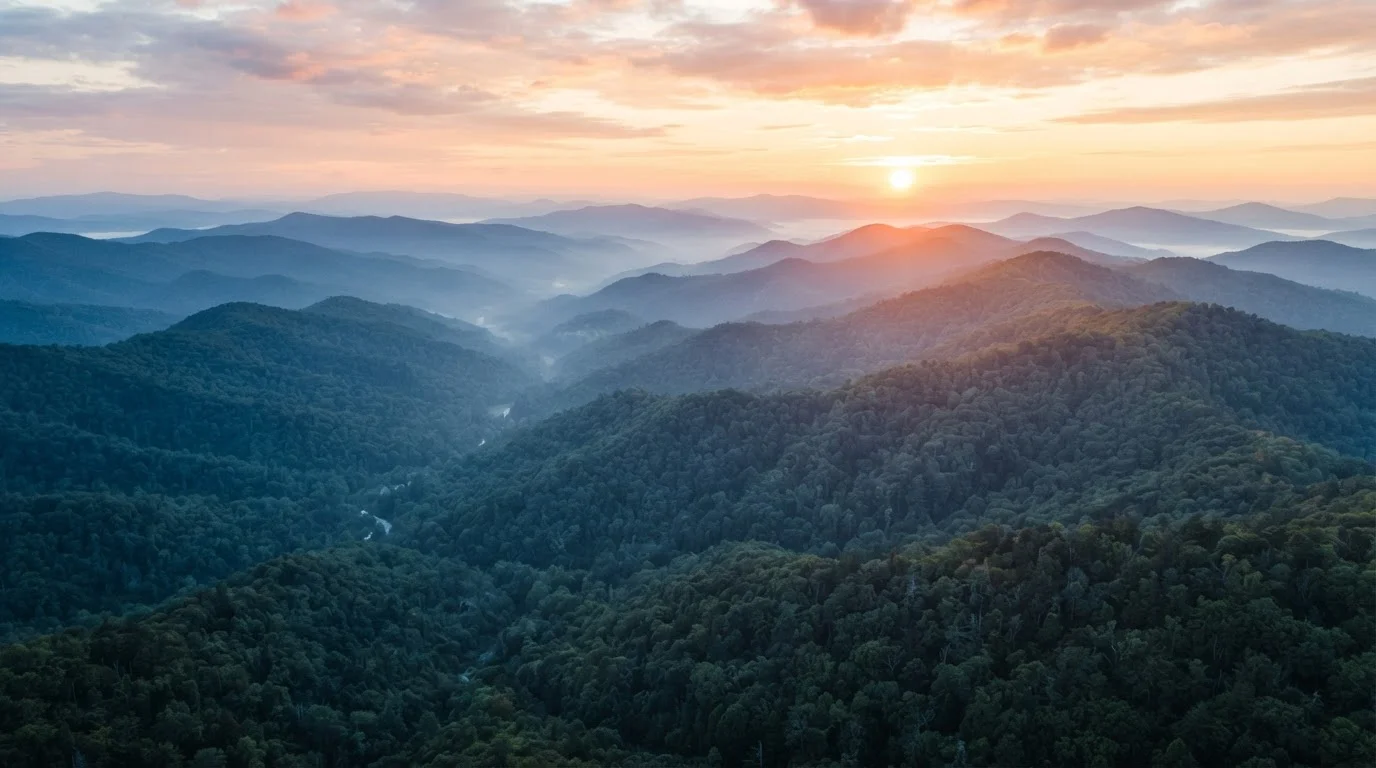
Photo: TrendingResults.net | Discover More, Trend More editorial
Key Takeaways
- Great Smoky Mountains National Park is the most-visited national park in the U.S. - crowds are a real planning factor.
- The park charges no entrance fee, but some trails and camping spots require advance reservations.
- Black bears are common; understanding wildlife safety before your visit is essential.
- Fall foliage and summer humidity are the dominant seasonal stories - each has trade-offs.
- Gateway towns Gatlinburg and Cherokee offer lodging but add traffic pressure near park entrances.
What Makes the Smokies Different from Other National Parks
Great Smoky Mountains National Park straddles the Tennessee-North Carolina border and draws more visitors annually than any other national park in the country - consistently topping 12 million visits per year. That single fact shapes almost everything about planning a trip here.
Unlike many western parks, the Smokies sit within a day's drive of a third of the U.S. population. Entry is free. Roads pass directly through the park. The result is a park that's genuinely accessible but also genuinely busy. First-timers who expect the open solitude of, say, a desert park will need to recalibrate their expectations.
What the Smokies offer in return is exceptional: dense old-growth forest, one of the most biodiverse temperate ecosystems on Earth, cascading waterfalls, historic Appalachian homestead structures, and the layered blue haze that gives the mountains their name. If you're weighing different driving routes through the region, the Blue Ridge Parkway comparison can help you think through connected itinerary options.
Frontcountry camping
Camping at established campgrounds accessible by car, with facilities like restrooms and sometimes running water. These sites typically require advance reservations.
Backcountry camping
Camping in undeveloped areas of the park reached by hiking. Requires a permit and reservation at a designated site - not available as a spontaneous, walk-up option.
Timed-entry reservation
A system used by some national parks to limit the number of vehicles entering a specific area during a set time window, reducing traffic and overcrowding.
Newfound Gap Road
The main paved road that crosses the park from Gatlinburg, Tennessee, to Cherokee, North Carolina - the primary route most visitors drive through the park.
Recreation.gov
The official U.S. government platform for booking campsite and permit reservations at national parks and federal lands.
Appalachian Trail
A roughly 2,190-mile long-distance hiking trail running from Georgia to Maine. It passes directly through Great Smoky Mountains National Park along the ridgeline.
Crowds, Traffic, and the Reality of Peak Season
Traffic backups at Sugarlands Visitor Center and along Newfound Gap Road are not exaggerations - they're standard summer and fall conditions. On peak October weekends, the park service has historically implemented traffic management systems, including timed-entry reservations for certain areas like Cades Cove.
The practical implication: plan to arrive at trailheads before 9 a.m. or after 4 p.m. Mid-day parking lots fill completely. Driving Newfound Gap Road - the main cross-park route - can take significantly longer than its 33-mile length suggests during busy periods.
Go Early or Go Farther In
Visitors willing to explore less-trafficked areas - Cataloochee Valley, Cosby, or the north-facing Greenbrier corridor - find a markedly different experience. If the idea of bypassing high-traffic parks appeals to you, lesser-known national parks may also be worth evaluating alongside your Smokies plans.
Seasons, Weather, and When to Go
Each season in the Smokies delivers a distinct experience - and distinct challenges.
- Spring (March-May): Wildflower blooms peak in April and May, making this a genuine highlight season. Trails can be muddy and some high-elevation roads remain closed into spring.
- Summer (June-August): Humidity is high, afternoon thunderstorms are common, and crowds peak. Higher elevations offer some relief. This is the most popular period, particularly for families.
- Fall (September-October): Foliage color typically peaks in mid-to-late October. This is the most photographed season but also the most congested. Book lodging months ahead.
- Winter (November-February): Crowds thin significantly, giving the park a quieter character. Snow occasionally closes high-elevation roads, and some facilities reduce hours. It's an underrated time to visit for those prepared for cold.
For a useful seasonal comparison with another major park, the seasonal guide to Yellowstone illustrates how dramatically weather shapes the national park experience generally.
Wildlife, Trails, and What Visitors Actually Do
The park's roughly 800 miles of trails range from wheelchair-accessible paved paths to multi-day backcountry routes. Popular hikes include Alum Cave Trail (strenuous, summit views), Laurel Falls (paved, accessible, heavily used), and the Appalachian Trail, which passes directly through the park.
Wildlife encounters are common and should be treated seriously. Black bears are frequently spotted - the park hosts several hundred. The required behavior is clear: stay at least 50 yards away, never approach or feed bears, and store all food and scented items in bear-proof containers or vehicles. Elk, reintroduced to the Cataloochee area, are best observed at dawn and dusk. White-tailed deer are widespread throughout.
Cades Cove, a historic valley with preserved 19th-century homesteads, is one of the most visited areas - and one of the best for wildlife spotting. An 11-mile one-way loop road circles the valley; on busy days, it can take two hours to complete.
Logistics: Access, Lodging, and Permits
The park has multiple entrances. Gatlinburg, Tennessee, is the most heavily used gateway and sits directly adjacent to the park's northern edge. Cherokee, North Carolina, provides access from the south. Both towns offer lodging, dining, and services - but also contribute to the traffic bottlenecks near entrances.
The only in-park lodging is LeConte Lodge, accessible only by trail. It books out far in advance and operates on a seasonal schedule. Frontcountry campgrounds like Elkmont and Smokemont require reservations through Recreation.gov during peak months. Backcountry camping requires a separate permit and designated site reservation - walk-in availability is limited.
There is no entrance fee, but a Smoky Mountains Recreation Area parking tag (purchased per day or annually) is required at most developed trailheads. Visitors planning a broader Southern driving itinerary should also account for the regional context the Southern road trip planning guide covers - service gaps and drive times in this region catch many travelers off guard.
Cell service inside the park is inconsistent. Download offline maps and trail information before you arrive.
Cell Service and Navigation
Frequently Asked Questions
The content on this site is provided for informational purposes only and should not be considered a substitute for professional advice. While we strive to provide accurate and up-to-date information, we make no guarantees regarding its completeness or accuracy. Always consult a qualified professional for advice specific to your circumstances before making any decisions.