
How Seasons Actually Shape a Visit to Yellowstone

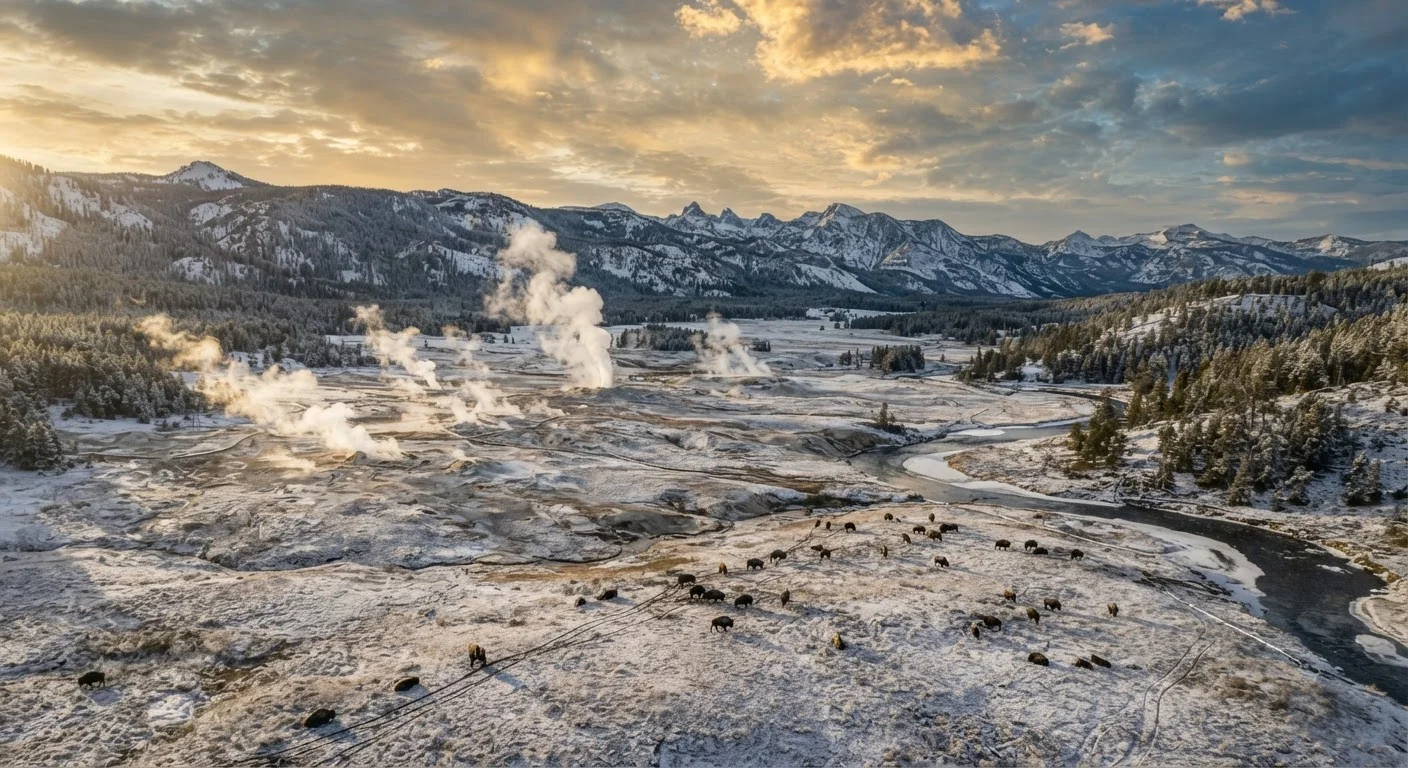
Photo: TrendingResults.net | Discover More, Trend More editorial
Key Takeaways
- Summer offers the most access but brings the park's heaviest crowds and requires advance reservations.
- Fall is widely regarded as a strong shoulder season, with cooler temps, elk rut activity, and thinning crowds.
- Spring brings exceptional wildlife sightings but also mud, unpredictable weather, and partially closed roads.
- Winter limits most vehicle access to snow coaches and guided tours, but offers a profoundly different, quieter experience.
- Road-opening dates in spring vary annually and are not guaranteed - always check official National Park Service sources before traveling.
Summer: Maximum Access, Maximum Crowds
July and August are Yellowstone's busiest months by a wide margin. Nearly all roads are open, visitor facilities are fully operational, and iconic spots like Old Faithful, Grand Prismatic Spring, and the Grand Canyon of the Yellowstone are fully accessible. The trade-off is real: parking lots fill by mid-morning, boardwalk trails get congested, and lodges book out months in advance.
Temperatures are generally mild - daytime highs in the 70s°F in lower elevations - but afternoon thunderstorms are common. Wildlife activity shifts with the heat; animals are most visible in the early morning and near dusk. If you're committed to a summer trip, book lodging the moment reservations open (typically in the spring) and plan to be at major geothermal sites before 9 a.m.
For readers weighing whether Yellowstone's peak season suits their travel style, our guide to peak vs. off-season travel lays out the broader trade-offs worth considering.
Fall: The Shoulder Season That Delivers
September and October represent one of the most rewarding windows to visit. Crowds thin noticeably after Labor Day, temperatures drop into sweater-weather range, and the elk rut kicks into full swing - a dramatic, audible spectacle where bull elk bugle across meadows in competition for mates. The Mammoth Hot Springs and Lamar Valley areas are particularly good viewing spots during this period.
Fall foliage adds visual texture to the landscape, and many facilities remain open through mid-October. Some roads and services begin closing in early November, so the window narrows as the month progresses. Fall visitors should still book lodging in advance for September, when the shoulder season still draws a sizeable crowd of savvy travelers who've done exactly this math.
4.5M+
Annual Yellowstone visitors (recent years)
According to National Park Service visitation data, Yellowstone regularly sees over 4 million visitors annually, with the bulk concentrated in June through August.
~90%
Visitors arriving in summer months
NPS visitation statistics indicate that the overwhelming majority of Yellowstone's annual visitors arrive between May and September, concentrating pressure on the park's most popular sites.
3,500 sq mi
Total park area
Yellowstone covers approximately 3,500 square miles, making it larger than Rhode Island and Delaware combined - meaning less-traveled areas exist even during peak season.
Spring: Wildlife Activity at Its Peak - With Caveats
April and May bring some of the most extraordinary wildlife moments in the park. Bison calves, bear cubs, and newborn elk are visible across meadows and valleys. Wolf pack activity is often high, and bears emerge hungry and visible after winter denning. For wildlife photographers and serious nature enthusiasts, spring can feel like a reward for tolerating the limitations.
Those limitations are real. Many roads remain closed well into May, and opening dates shift year to year based on snowpack - the National Park Service doesn't commit to firm dates until conditions allow. Mud is ubiquitous on unpaved surfaces. Weather can swing from sunny and 50°F to a surprise snowstorm within hours. Visitors should check road status directly with the NPS and build flexibility into their itineraries.
If your vehicle will be doing heavy lifting through mountain roads, it's worth reviewing seasonal vehicle maintenance tips before departing - spring conditions in the Rockies can stress tires, brakes, and cooling systems unexpectedly.
Build in a Buffer Day for Spring Trips
Winter: A Quieter, Wilder Yellowstone
From mid-December through February, most of Yellowstone's interior roads close to wheeled vehicles. Access shifts to over-snow travel - guided snow coach tours and designated snowmobile routes. This fundamentally changes the visitor profile: winter draws smaller groups willing to invest more planning, and the experience reflects that. Geothermal features steam dramatically against frozen air, wolf tracks cross groomed trails, and bison stand silhouetted in fog. It's genuinely unlike anything the summer version of the park offers.
Visitor services are limited to a handful of facilities - Mammoth Hot Springs and the Old Faithful Snow Lodge remain operational. Temperatures regularly drop below 0°F overnight, and proper insulated gear isn't optional. For travelers curious about other park experiences outside Yellowstone's orbit, lesser-known national parks offer year-round access with far fewer logistical hurdles.
Winter at Yellowstone rewards those who go in with eyes open. It's not the right fit for everyone - but for the right traveler, it's unforgettable.
Frequently Asked Questions
The content on this site is provided for informational purposes only and should not be considered a substitute for professional advice. While we strive to provide accurate and up-to-date information, we make no guarantees regarding its completeness or accuracy. Always consult a qualified professional for advice specific to your circumstances before making any decisions.