
Everything Involved in Driving Safely on the Interstate

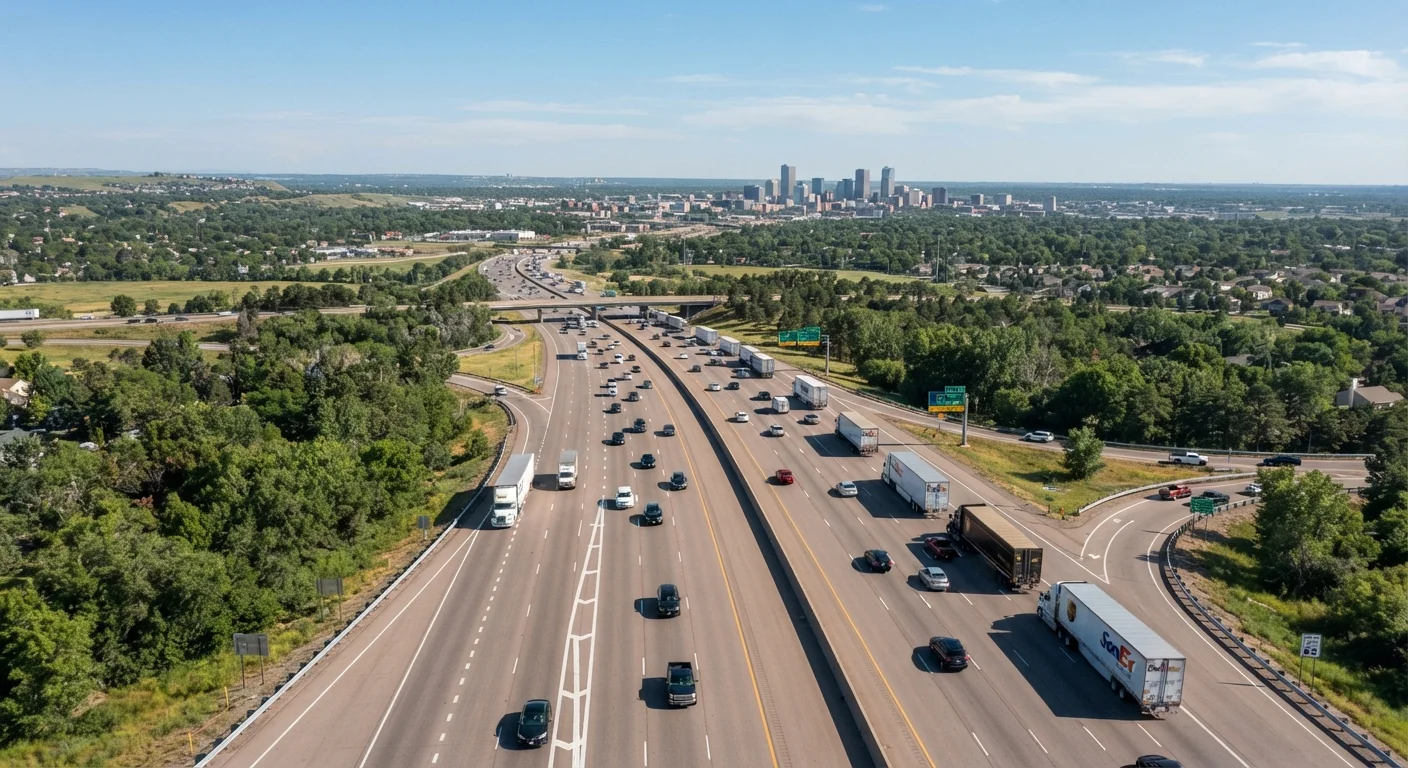
Photo: TrendingResults.net | Discover More, Trend More editorial
Key Takeaways
- Use the full length of on-ramp acceleration lanes before merging onto the interstate.
- Maintain at least a three-second following distance under normal conditions - more in poor weather.
- Large trucks have significant blind spots on all four sides; avoid lingering beside them.
- If you break down, move as far off the roadway as possible and stay behind barriers.
- Driver fatigue is a leading cause of interstate crashes; stop every two hours on long trips.
Mastering the On-Ramp and Merging
The on-ramp is one of the most misunderstood pieces of infrastructure on the American road network. Its purpose is to give drivers space to match the speed of moving traffic before joining it - not to creep timidly into a 70 mph flow from 40 mph. Use the entire acceleration lane to reach highway speed, signal early, and identify a gap before the lane ends.
Merging drivers do not automatically have the right of way, but traffic already on the interstate is generally expected to facilitate safe merging when conditions allow. Understanding how these obligations interact is covered thoroughly in our guide to right-of-way laws. The key takeaway: communicate your intentions with your turn signal, match speed, and commit to a gap cleanly rather than forcing adjacent drivers to react.
Before merging, briefly check your mirrors and blind spot simultaneously with your approach speed assessment - don't focus solely on the gap at the expense of your speedometer.
Set a phone reminder or use a car's trip odometer to alert you every 100 miles on long drives - fatigue builds gradually and drivers often don't recognize their own impairment.
Lane Discipline and Following Distance
The left lane on a multi-lane interstate is a passing lane, not a cruising lane. Occupying it at or below the speed of right-lane traffic creates unnecessary hazards and is illegal in most U.S. states. Once you've passed, move right. This keeps traffic flowing predictably and reduces the aggressive lane-weaving that causes chain-reaction crashes.
Following distance is equally critical. The standard rule is the three-second rule: pick a fixed landmark, watch the vehicle ahead pass it, and count. If you pass the same point before reaching three seconds, you're following too closely. In rain, fog, or heavy traffic, extend that to five or six seconds. Tailgating is one of the most common factors in rear-end collisions at highway speed, where stopping distances are substantial.
~31%
Interstate crashes involving rear-end collisions
Rear-end collisions represent one of the most prevalent crash types on U.S. highways, frequently linked to following too closely or inattention.
6 sec
Recommended following distance in adverse conditions
Safety organizations generally recommend doubling the standard three-second following distance in rain, fog, or reduced visibility situations.
Sharing the Road with Large Trucks
Semi-trucks operate under physical constraints that passenger car drivers rarely appreciate. A fully loaded 18-wheeler can weigh up to 80,000 pounds - requiring significantly longer stopping distances than a standard car. When you cut in front of a truck and brake, the truck may not be able to stop in time regardless of driver skill.
Trucks also have four substantial blind spots: directly in front of the cab, directly behind the trailer, and wide zones along both sides (particularly the right side, which extends across two full lanes). A reliable rule of thumb: if you cannot see the truck driver's face in their mirror, they cannot see you. Pass trucks on the left, complete the pass promptly, and don't linger beside the trailer.
Proper vehicle maintenance - including tire condition, brakes, and lighting - is equally important when sharing high-speed roads with heavy commercial vehicles.
Managing Speed and Road Conditions
Posted speed limits reflect maximum safe speeds under ideal conditions. Rain, fog, construction zones, nighttime driving, and tire or road degradation all demand voluntary speed reduction regardless of what the sign says. Hydroplaning - where tires lose contact with the road surface due to water - typically begins around 35 mph on wet roads with worn tread, and becomes a serious risk at higher speeds.
In construction zones, reduced limits are enforced with elevated fines in most states, and lane patterns frequently shift. Slow down early, maintain extra following distance, and be alert for workers and equipment near the travel lanes. Roundabouts at highway exits can also catch drivers off guard; our article on navigating roundabouts explains the rules that trip up even experienced drivers.
Construction Zone Speed Limits Are Strictly Enforced
Emergency Pulloffs and Breakdowns
If your vehicle experiences a mechanical problem on the interstate, your first priority is getting completely off the travel lanes. Pull onto the right shoulder as far as possible - ideally past the white fog line and as close to a barrier or guardrail as safely achievable. Turn on hazard lights immediately, even before you stop.
Once stopped, most safety experts advise staying inside the vehicle with your seatbelt on if there is no safe place to stand away from traffic. If you must exit, do so from the passenger side away from lanes, and move up a slope or behind a barrier if available. Place reflective triangles or road flares at least 200 feet behind the vehicle if you have them. Call for assistance before attempting any roadside repair.
Never Stand Behind Your Vehicle on the Interstate
Driver Alertness and Long-Haul Fatigue
Drowsy driving is responsible for tens of thousands of crashes annually in the United States, with interstates - where monotonous scenery and sustained speed dull alertness - being particularly high-risk environments. Warning signs include difficulty keeping your eyes open, drifting between lanes, missing exits, and the inability to remember the last few miles driven.
The countermeasure is simple but non-negotiable: stop driving. Pull off at a rest area or service plaza every two hours or 100 miles on long trips. A 20-minute nap has been shown in research to meaningfully restore alertness. Caffeine can provide a short-term boost but is not a substitute for rest. Driving with a co-pilot who can take turns behind the wheel is one of the most effective strategies for long-distance travel safety.
For drivers considering a new vehicle purchase with safety features suited to highway travel, our car buying guidance provides a useful starting point for evaluating what matters most.
The content on this site is provided for informational purposes only and should not be considered a substitute for professional advice. While we strive to provide accurate and up-to-date information, we make no guarantees regarding its completeness or accuracy. Always consult a qualified professional for advice specific to your circumstances before making any decisions.