
A Driver's Guide to Understanding Right-of-Way Laws

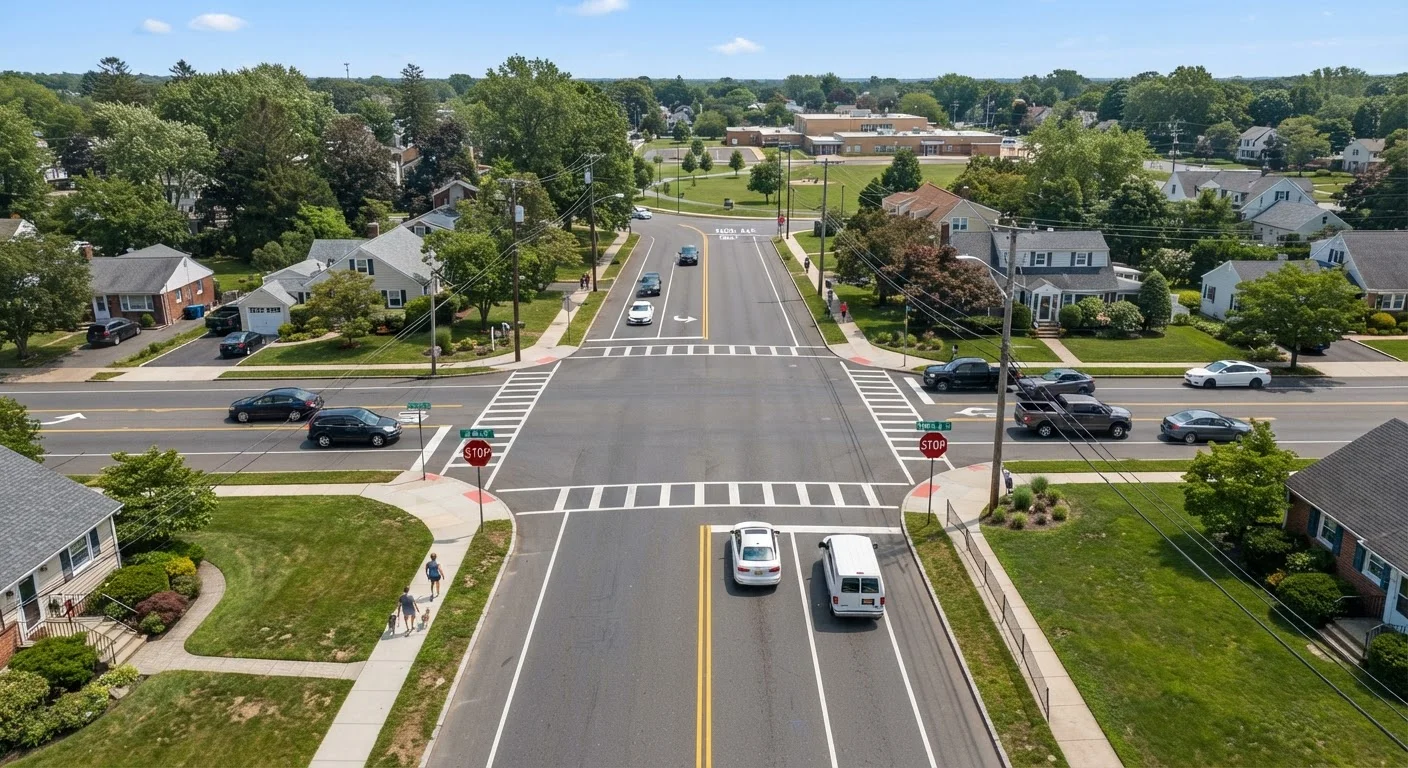
Photo: TrendingResults.net | Discover More, Trend More editorial
Key Takeaways
- Right-of-way is not a legal entitlement - it's a framework for preventing collisions at conflict points.
- At four-way stops, the first driver to arrive goes first; ties are broken by yielding to the driver on the right.
- Drivers turning left must yield to oncoming traffic going straight, even when they have a green light.
- Pedestrians in a marked or unmarked crosswalk generally have the right of way over turning vehicles.
- Emergency vehicles with active lights and sirens always require you to pull over and stop.
- Assuming another driver will yield is one of the most common causes of intersection crashes.
What Right-of-Way Actually Means
The term right-of-way refers to the legal priority one driver, cyclist, or pedestrian has over others at a specific point on the road. It determines who proceeds and who waits - but it does not mean that the person with priority can ignore safety or assume the other party will comply.
No driver is ever truly given the right-of-way in isolation. Rather, right-of-way laws require one party to yield - to slow down, stop, or wait - so that the other can proceed safely. Understanding this distinction matters: even when you legally have priority, proceeding recklessly can put you and others at risk.
Right-of-way
The legal priority that one road user has to proceed before another at a given point. It is always paired with a corresponding duty for another party to yield.
Yield
To slow down, stop if necessary, and wait until it is safe before proceeding - giving priority to another driver, cyclist, or pedestrian.
Uncontrolled intersection
An intersection with no traffic signals, stop signs, or yield signs. Drivers must rely on right-of-way rules alone to determine who proceeds.
Crosswalk
A designated area - marked with paint or legally implied at intersections - where pedestrians have the right to cross the road, and where drivers must yield.
Right-of-way conflict point
Any location on the road where the paths of two or more vehicles, pedestrians, or cyclists cross or merge, creating a potential collision risk.
Right-of-way rules exist because intersections and merging zones are the places where vehicle paths conflict most frequently. Knowing the rules for these scenarios is foundational to safe driving. For guidance on how weather affects your ability to apply these rules safely, see our article on driving in fog, ice, and heavy rain.
Four-Way Stops and Uncontrolled Intersections
Four-way stops are among the most commonly misunderstood situations on American roads. The rules follow a clear hierarchy:
- First to arrive, first to go. The vehicle that stops first proceeds first.
- Simultaneous arrival: yield to the right. If two vehicles stop at the same time, the driver on the left yields to the driver on the right.
- Straight traffic before turning traffic. When arrival times are truly unclear, vehicles going straight generally have priority over those turning.
At uncontrolled intersections - those with no signs or signals - the same yield-to-the-right rule applies when vehicles arrive at the same moment. These intersections are common in older residential neighborhoods and rural areas, and they require extra caution.
Roundabouts operate differently from four-way stops. Vehicles already inside the circle have the right of way over those entering. Our guide on navigating roundabouts covers that scenario in detail.
Turning, Merging, and Yielding on the Road
Several everyday driving situations have specific right-of-way rules that drivers frequently get wrong:
Left Turns
A driver making a left turn must yield to all oncoming traffic traveling straight through the intersection - even when the turning driver has a green light. A green light grants permission to enter the intersection, not guaranteed clearance to complete the turn.
Right Turns on Red
Where permitted, a right turn on red is allowed only after coming to a complete stop and yielding to all cross-traffic and pedestrians. This is a yield situation, not a free pass.
Merging onto a Highway
The driver entering the highway from an on-ramp must yield to vehicles already traveling on the main road. Use the acceleration lane to match highway speed before merging, and signal your intent clearly.
Match Speed Before You Merge
T-intersections follow a similar logic: the driver on the terminating road (the one that dead-ends) must yield to traffic on the through road.
Pedestrians, Cyclists, and Emergency Vehicles
Right-of-way rules extend well beyond interactions between cars. Three categories of road users deserve particular attention:
Pedestrians
In most U.S. states, drivers must yield to pedestrians in any marked crosswalk and in unmarked crosswalks at intersections. This applies when you are making a turn at a green light - pedestrians crossing legally in your path have the right of way. Always slow down when approaching crosswalks near schools, parks, or busy commercial areas.
Cyclists
Cyclists on the road generally have the same rights and responsibilities as vehicle drivers. When a cyclist is in a travel lane, drivers must treat them as they would another vehicle. Passing a cyclist requires safe clearance - many states mandate a minimum of three feet.
Emergency Vehicles
Any emergency vehicle operating with active lights and sirens must be given immediate clearance. Pull as far right as safely possible and come to a complete stop. Do not re-enter traffic until the vehicle has passed and it is safe to do so. This rule applies even if you are on a divided highway.
Common Misconceptions That Lead to Crashes
Many intersection crashes result not from ignorance of the rules, but from false assumptions. These are the most frequently misunderstood right-of-way situations:
- "I had the green light, so I had the right of way." A green signal means proceed if it is safe to do so - not that the intersection is automatically clear. Always scan before entering.
- "I waved them through, so they must go." Hand gestures do not transfer legal right-of-way and can cause dangerous confusion. Follow traffic law, not informal signals.
- "Bigger vehicles always go first." Vehicle size has no bearing on right-of-way. The rules apply equally regardless of whether you are driving a motorcycle or a commercial truck.
- "If I'm already partially in the intersection, I have the right of way." Being in the intersection first does not override the rules - it can actually create liability if you entered incorrectly.
New and experienced drivers alike benefit from periodically revisiting these rules. Our article on what new drivers often get wrong covers related habits that frequently contribute to early crashes. Understanding road sign colors and shapes also reinforces how posted signs interact with right-of-way decisions.
Frequently Asked Questions
The content on this site is provided for informational purposes only and should not be considered a substitute for professional advice. While we strive to provide accurate and up-to-date information, we make no guarantees regarding its completeness or accuracy. Always consult a qualified professional for advice specific to your circumstances before making any decisions.