
What the Colors and Shapes of Road Signs Actually Mean

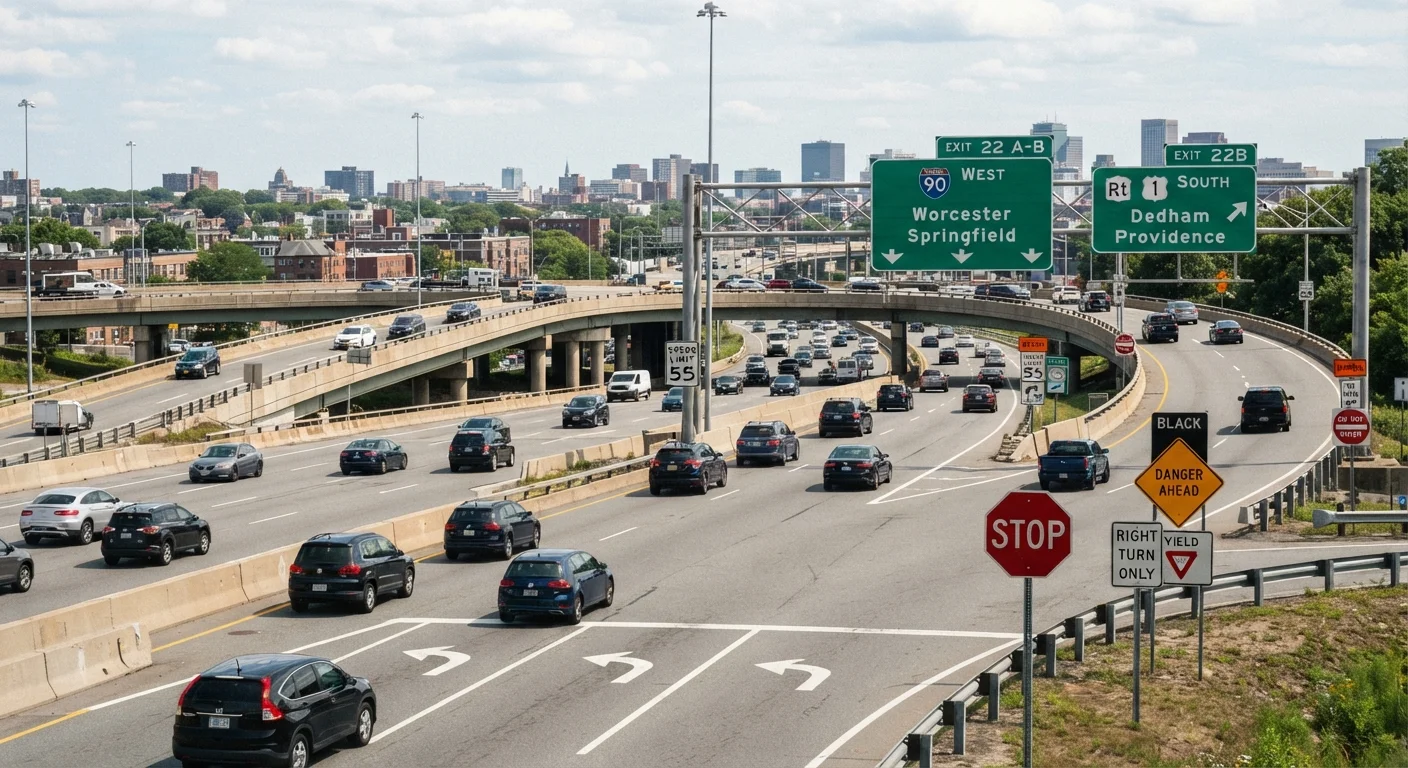
Photo: TrendingResults.net | Discover More, Trend More editorial
Why Sign Design Is a Safety System
Road signs aren't designed arbitrarily. The Federal Highway Administration's MUTCD - the Manual on Uniform Traffic Control Devices - establishes standardized rules for sign color, shape, and messaging used across all U.S. public roads. The logic behind this system is straightforward: a driver who understands the code can process a sign's intent before reading a single word, which matters enormously at highway speeds.
This is especially useful in low-visibility situations. When you're driving in fog or heavy rain, the shape and color of a sign may be the only detail your eyes can quickly resolve. Knowing the system isn't just trivia - it's a functional safety skill.
| Governing standard | MUTCD (Manual on Uniform Traffic Control Devices) (Federal Highway Administration) |
| Number of standardized sign colors | 8 primary colors (MUTCD, current edition) |
| Shape reserved for Stop | Octagon |
| Shape reserved for Yield | Inverted triangle |
| Color for construction zones | Orange |
| Color for motorist services | Blue |
What Each Color Means
Color is the fastest signal a sign sends. Here's what each standard color communicates:
- Red - Prohibition or a required stop. Reserved for stop signs, yield signs, and do-not-enter or wrong-way signs. Red commands immediate compliance.
- Yellow - General warning. Yellow diamond signs alert drivers to upcoming hazards: sharp curves, pedestrian crossings, merging traffic, or slippery conditions.
- Orange - Construction and maintenance zones. Orange signals temporary changes to normal road conditions, including lane shifts and reduced speed limits.
- Green - Guidance and direction. Highway exit signs, distance markers, and street name signs use green to help drivers navigate without urgency.
- Blue - Motorist services. Blue signs indicate nearby fuel, food, lodging, hospitals, and rest areas.
- Brown - Recreation and cultural sites. Brown signs point toward parks, historic landmarks, and scenic areas.
- White - Regulatory information. Speed limits, lane-use rules, and turn restrictions appear on white signs with black text.
- Fluorescent yellow-green - High-priority pedestrian and bicycle warnings. This bright variant is used near school zones and bike crossings to maximize visibility.
MUTCD
The Manual on Uniform Traffic Control Devices, published by the Federal Highway Administration. It establishes standardized rules for all traffic signs, signals, and pavement markings on U.S. public roads.
Regulatory sign
A sign that communicates a legal requirement or prohibition - such as a speed limit or no-turn restriction. Drivers are legally obligated to comply with regulatory signs.
Warning sign
A sign - typically diamond-shaped and yellow - that alerts drivers to a potential hazard ahead, such as a sharp curve, merge point, or pedestrian crossing.
Guide sign
A sign that provides directional, distance, or navigational information. Guide signs are typically green or brown and do not carry legal mandates.
Fluorescent yellow-green
A high-visibility color variant used specifically for pedestrian and bicycle warning signs, most commonly near school zones and shared-use paths where maximum conspicuity is critical.
What Each Shape Means
Shape adds a second, redundant layer of information - so even a faded or partially obscured sign can still communicate its category.
- Octagon - Stop. This eight-sided shape is used exclusively for stop signs in the U.S., making it universally recognizable.
- Triangle (inverted) - Yield. The downward-pointing triangle signals that drivers must give the right of way. Understanding yield situations is foundational to safe driving, as covered in our guide to right-of-way laws.
- Diamond - Warning. Diamond-shaped signs exclusively carry hazard and caution messages.
- Rectangle (vertical) - Regulatory. Speed limits, parking rules, and lane controls appear on vertically oriented rectangular signs.
- Rectangle (horizontal) - Guide or informational. Directional and service information signs are typically wider than they are tall.
- Pentagon - School zone. The five-sided shape specifically marks school areas and crossings.
- Crossbuck (X shape) - Railroad crossing. This distinctive shape is reserved solely for rail crossing warnings.
- Circle - Railroad advance warning. A round sign warns drivers that a railroad crossing is ahead.
Roundabout signs use a combination of these categories. If you find roundabout signage confusing, our article on navigating roundabouts breaks down what each sign means in that context.
Putting It Together on the Road
The color-and-shape system works because it's redundant by design - shape works when color fades, and color works when shape is hard to distinguish at a distance. Drivers who internalize both layers react faster and more accurately, which directly reduces crash risk.
A practical way to reinforce this knowledge: on your next few drives, mentally narrate the category of each sign before reading its text. A yellow diamond ahead means hazard warning before you know whether it's a curve or a deer crossing. A white rectangle means regulation before you confirm the speed limit. This habit builds the pattern recognition that experienced drivers rely on automatically.
The same principle of reading environmental signals extends to your vehicle's interior. If you're still learning to decode unfamiliar warnings, our dashboard warning light guide applies the same structured approach to what your instrument cluster is communicating.
This article provides general educational information about U.S. road sign standards. Always follow the specific traffic laws in your state and consult official driver's manuals for complete regulatory guidance.
The content on this site is provided for informational purposes only and should not be considered a substitute for professional advice. While we strive to provide accurate and up-to-date information, we make no guarantees regarding its completeness or accuracy. Always consult a qualified professional for advice specific to your circumstances before making any decisions.