
The Two-Second Rule and Why Most Drivers Underestimate It

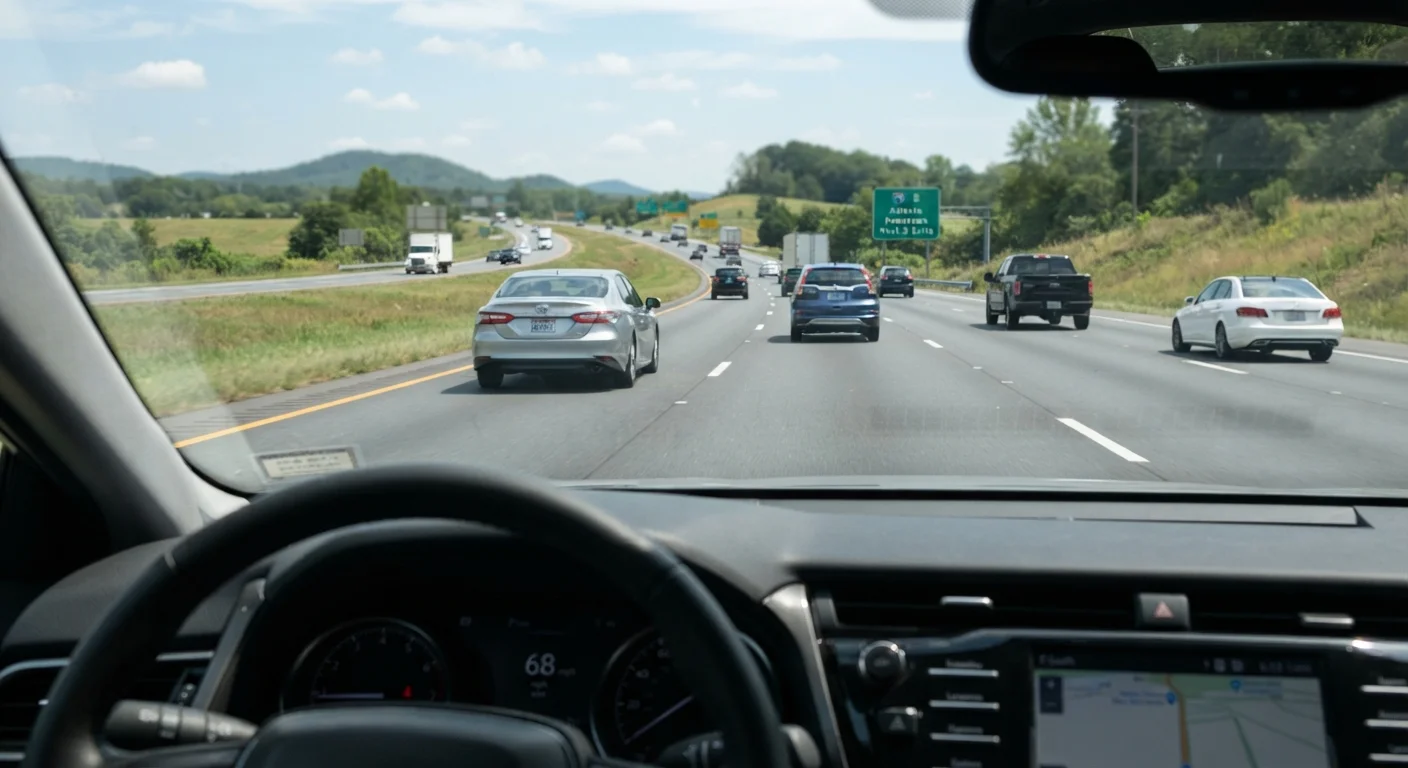
Photo: TrendingResults.net | Discover More, Trend More editorial
Key Takeaways
- Two seconds is a minimum baseline - not a universal safe distance for all conditions.
- Most drivers significantly underestimate how little time two seconds actually is at highway speeds.
- Adverse weather, heavy vehicles, and impaired visibility all require extending your following distance.
- Tailgating dramatically increases rear-end collision risk, which is one of the most common crash types in the U.S.
- The rule works at any speed but becomes more critical - and harder to judge - as speed increases.
Why Two Seconds Feels Like Forever - Until It Isn't
Ask most drivers if they maintain a safe following distance, and the majority will say yes. Research and crash data suggest otherwise. Rear-end collisions consistently rank among the most frequent crash types on American roads, and following too closely is a leading contributing factor.
The disconnect comes down to perception. At 60 mph, two seconds translates to roughly 176 feet - approximately 11 car lengths. That gap looks enormous from outside a vehicle. From the driver's seat, staring at the car ahead, that same space can feel excessive, almost wasteful. Drivers close the gap instinctively, often without realizing it.
This is compounded by how traffic flows. When surrounding drivers are all following closely, maintaining a proper gap can feel socially awkward or even aggressive - as if you're failing to keep up. In reality, you're the one driving correctly.
~40%
Share of all U.S. crashes that are rear-end collisions
According to the National Highway Traffic Safety Administration (NHTSA), rear-end crashes are among the most common crash types on American roads, with following too closely as a frequent contributing factor.
176 ft
Distance traveled in 2 seconds at 60 mph
At 60 mph, two seconds equates to roughly 176 feet - approximately 11 car lengths - a gap that typically looks larger in diagrams than it feels from the driver's seat.
1.5 sec
Average driver reaction time
Research on driver response times generally places average human reaction time at around 1.5 seconds under normal conditions, which is why two seconds is the established minimum baseline.
How to Measure It - and Where Most People Go Wrong
The mechanics are simple: identify a fixed landmark, wait for the vehicle ahead to pass it, then count two full seconds before you reach the same point. The most common mistake is counting too fast - saying "one-two" rather than a deliberate "one-one-thousand, two-one-thousand."
A second common error is applying the rule once and assuming it holds. Following distance is dynamic. Every time the car ahead changes speed, you adjust. Every time road or weather conditions shift, your gap should shift with it. A static count done once at the start of a trip offers false confidence.
New drivers are particularly prone to these errors. What new drivers often get wrong in their first year covers this habit - along with others - in greater depth.
Count at Full Speed, Not Just Once
When Two Seconds Isn't Enough
The two-second rule assumes dry pavement, alert drivers, and vehicles in good mechanical condition. Change any of those variables and the minimum changes with them.
- Rain and wet roads: Stopping distances can increase by 50% or more on wet pavement. A three-to-four second gap is more appropriate.
- Snow and ice: On icy roads, braking distances can be ten times longer than on dry pavement. Significantly more space is needed.
- Large trucks and SUVs: Heavier vehicles take longer to stop. If you're driving a loaded pickup or following a commercial truck, extend your gap accordingly.
- Fatigue and distraction: Reaction time degrades when you're tired or mentally occupied. Your physical cushion needs to compensate for your slower mental response.
For a thorough breakdown of how conditions alter safe distances, see our guide on driving in fog, ice, and heavy rain.
Building the Habit That Sticks
Knowing the rule and applying it consistently are different skills. Safe following distance is a habit that erodes under pressure - traffic congestion, running late, or simply the pace of surrounding drivers can all pull you back toward a shorter gap.
One practical approach: treat your count as a checkpoint at regular intervals, not just when you think something might be wrong. Every few minutes on a long drive, verify your gap. Re-establish it consciously. Over time, the correct spacing starts to feel natural rather than effortful.
Following distance also connects directly to other road safety habits. Understanding posted speed limits - and recognizing that the limit isn't always the safest speed - is closely related. Speed limit misconceptions that put drivers at risk explores how drivers often misread what a posted number actually means in context.
Safe driving is a system of overlapping habits, not a single rule applied in isolation. The two-second guideline is one of the most accessible entry points into that system - easy to teach, easy to check, and proven to reduce risk when followed correctly.
Frequently Asked Questions
The content on this site is provided for informational purposes only and should not be considered a substitute for professional advice. While we strive to provide accurate and up-to-date information, we make no guarantees regarding its completeness or accuracy. Always consult a qualified professional for advice specific to your circumstances before making any decisions.