
Added Sugar vs. Natural Sugar: A Distinction Worth Understanding

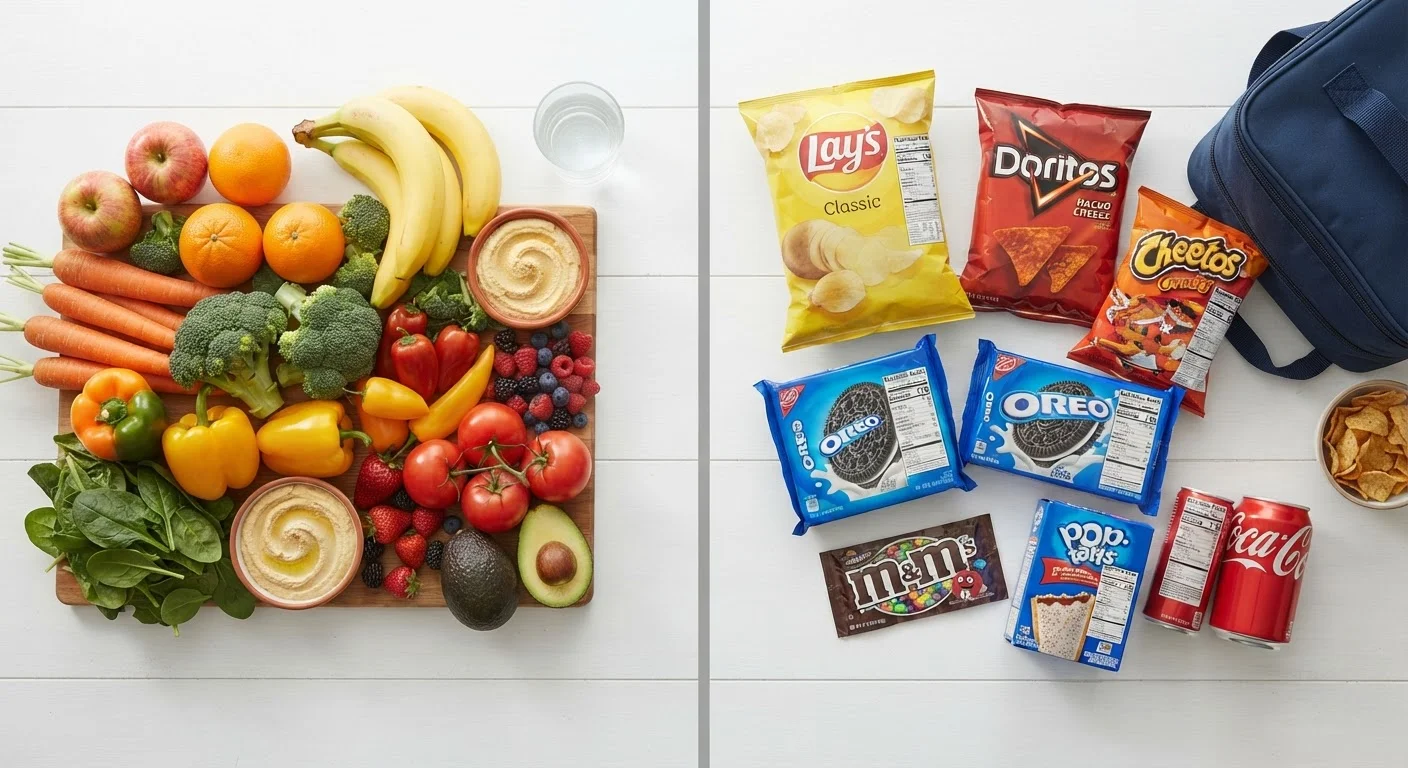
Photo: TrendingResults.net | Discover More, Trend More editorial
Key Takeaways
- Natural sugars occur inherently in whole foods like fruit, vegetables, and dairy; added sugars are incorporated during processing or cooking.
- Your body breaks down glucose from both sources similarly, but the surrounding nutrients change the overall health picture significantly.
- Foods with natural sugar typically deliver fiber, vitamins, and minerals that slow absorption and support health.
- Added sugars provide calories without meaningful nutritional value and are linked to increased disease risk when consumed in excess.
- The FDA now requires added sugar amounts to appear separately on Nutrition Facts labels, making identification easier.
- Most Americans consume far more added sugar than health guidelines recommend - awareness is a useful first step.
What Makes a Sugar 'Natural' or 'Added'?
The classification of sugar as natural or added has nothing to do with its chemical structure - it has everything to do with origin. Natural sugars are those that exist intrinsically within a food. The fructose in a fresh apple, the lactose in plain milk, and the glucose in a carrot are all natural sugars. They were never introduced; they were simply there.
Added sugars, by contrast, are any sugars or caloric sweeteners incorporated into a food or beverage during processing, preparation, or manufacturing. This includes white table sugar (sucrose), high-fructose corn syrup, honey, maple syrup, agave, and fruit juice concentrates - even when the source sounds wholesome. If it was added to the product rather than present in the original ingredient, it qualifies as an added sugar under current regulatory definitions used by the U.S. Food and Drug Administration.
This distinction matters because it shapes what else comes with the sugar you consume. For a deeper look at how this and other nutrients are categorized on product packaging, see our guide on reading a Nutrition Facts label.
How the Body Handles Each Type
From a purely biochemical standpoint, your digestive system breaks down sucrose, glucose, and fructose through the same metabolic pathways regardless of whether those molecules came from a piece of fruit or a soft drink. The sugar molecule itself does not carry a label your cells can read.
What differs is the nutritional context surrounding those molecules. A medium orange delivers roughly 12 grams of natural sugar alongside fiber, vitamin C, potassium, and water. That fiber slows gastric emptying and moderates the rate at which sugar enters the bloodstream. A flavored beverage with 12 grams of added sugar typically delivers those calories with little to no fiber, vitamins, or minerals - a configuration that allows for more rapid absorption.
17 tsp
Average daily added sugar intake for U.S. adults
According to CDC data, American adults consume an average of about 17 teaspoons of added sugar per day - well above most health guidance thresholds.
~39%
Share of added sugar from beverages in U.S. diet
Research published in nutritional epidemiology journals consistently identifies sweetened drinks as the single largest source of added sugar in American dietary patterns.
50g
FDA daily value for added sugar on Nutrition Facts labels
The FDA set 50 grams as the daily reference value for added sugars used on mandatory Nutrition Facts panels, based on a 2,000-calorie daily diet.
This is why nutrition researchers and public health organizations focus on dietary patterns rather than individual molecules. The package the sugar arrives in - whole food versus refined product - influences satiety, nutrient density, and longer-term health outcomes in ways that isolating sugar chemistry alone does not capture.
Why Added Sugar Receives More Scrutiny
Health agencies including the American Heart Association and the World Health Organization have issued guidance recommending limits on added sugar specifically - not on naturally occurring sugars in whole foods. The AHA's general guidance suggests limiting added sugar to no more than 25 grams per day for women and 36 grams for men, though individual needs vary and you should discuss specific targets with a qualified healthcare provider.
The concern centers on a consistent body of evidence associating high added-sugar intake with elevated risk of obesity, type 2 diabetes, cardiovascular disease, and dental decay. These associations appear robust when looking at large dietary patterns over time, though causation in nutritional epidemiology is always complex and researchers continue to refine their understanding.
A Note on 'Natural' Sweeteners
Whole foods containing natural sugar have not demonstrated the same risk profile when consumed as part of a balanced diet. In fact, higher fruit intake is generally associated with favorable health outcomes in the research literature. This asymmetry is why the FDA updated Nutrition Facts labeling requirements to list added sugars as a separate line item - giving consumers a clear, actionable data point rather than a combined total that obscures the distinction.
Understanding this category of nutrient also connects to broader conversations about food processing. Our article on whole foods vs. processed foods explains how processing levels shape the overall nutritional quality of what you eat.
Practical Ways to Apply This Knowledge
Awareness of the natural-versus-added distinction is most useful when it changes everyday choices rather than fueling anxiety about food. A few grounded approaches:
- Check the Nutrition Facts panel. The "Added Sugars" line (indented under Total Sugars) tells you exactly how much sugar was introduced to the product. The daily value percentage is set at 50 grams, so you can benchmark accordingly.
- Look at ingredients. Sucrose, cane sugar, high-fructose corn syrup, dextrose, maltose, and fruit juice concentrate are all added sugars regardless of how they're named. Multiple sweeteners partway down the list can still add up.
- Prioritize whole-food sources of sweetness. Fresh and frozen fruit, plain dairy, and vegetables provide natural sugars within a nutrient-dense package. These do not need to be counted or restricted for most healthy adults.
- Watch common added-sugar vehicles. Sweetened beverages, breakfast cereals, flavored yogurts, sauces, and condiments are among the most common sources of added sugar in the American diet.
For a broader look at how these ideas connect to popular nutrition claims, see our piece on the truth behind popular nutrition claims.
This article is for general informational and educational purposes only and is not a substitute for professional medical or dietary advice. Consult a qualified healthcare provider or registered dietitian for guidance specific to your health situation.
The content on this site is provided for informational purposes only and should not be considered a substitute for professional advice. While we strive to provide accurate and up-to-date information, we make no guarantees regarding its completeness or accuracy. Always consult a qualified professional for advice specific to your circumstances before making any decisions.