
Reading a Nutrition Facts Label Without Getting Lost

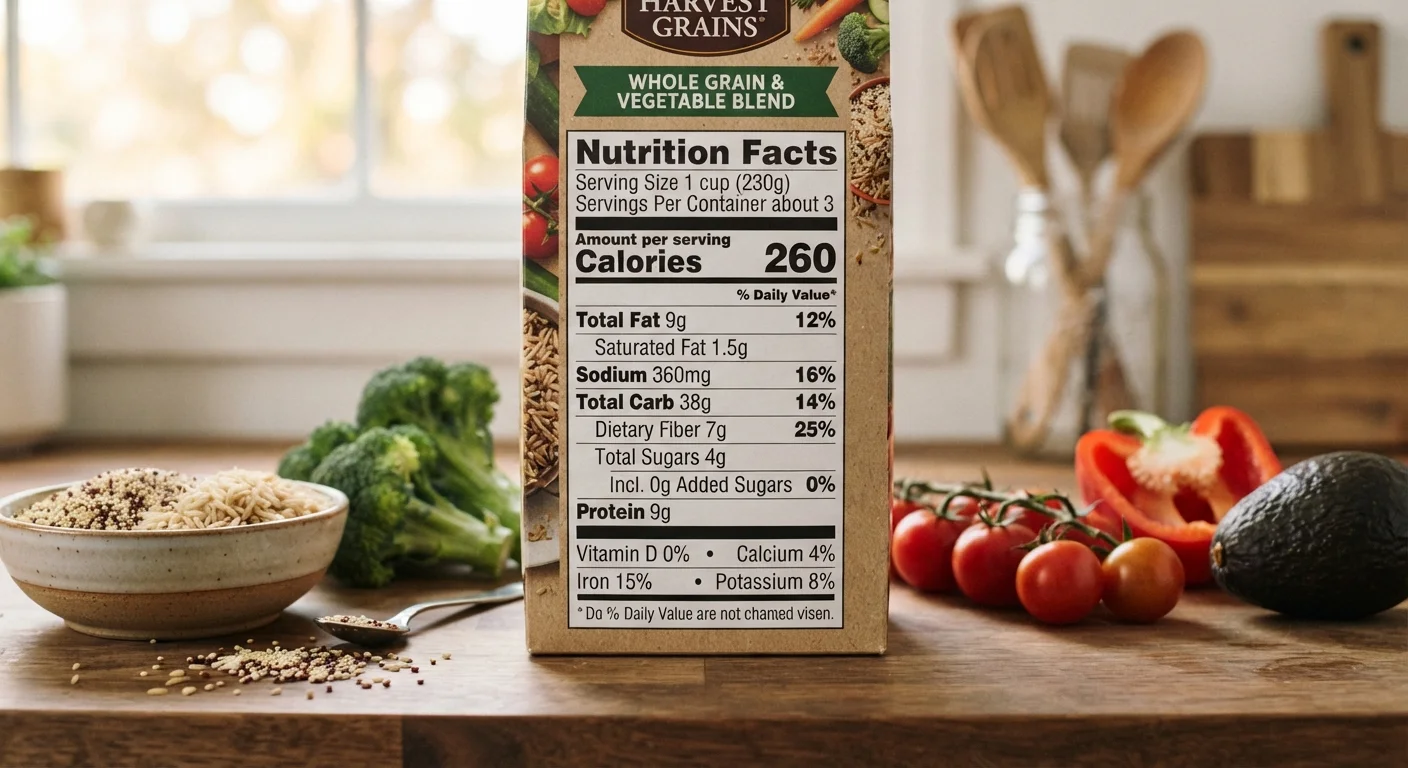
Photo: TrendingResults.net | Discover More, Trend More editorial
Key Takeaways
- Serving size is the anchor for every number on the label - always check it first.
- The % Daily Value column shows how much a nutrient contributes to a standard 2,000-calorie diet.
- Added sugars and sodium are two nutrients many Americans consume in excess without realizing it.
- Fiber, vitamins, and minerals are nutrients to seek, not limit.
- Front-of-package claims like 'natural' or 'low-fat' are marketing - the back panel tells the real story.
Why the Nutrition Facts Label Exists - and What It Can (and Can't) Tell You
The Nutrition Facts panel is a federally standardized tool that food manufacturers are required to display on most packaged foods in the United States. The FDA periodically updates its format; a major revision took effect between 2020 and 2021, adding clearer serving sizes and a separate line for added sugars, among other changes.
What the label does well: it gives you objective, comparable data about what's inside a package. What it doesn't do: tell you whether a food is 'good' or 'bad' for you in isolation. Nutrition works in the context of an overall diet, not single items. Front-of-package marketing language - words like 'healthy,' 'natural,' or 'light' - is where food companies exercise creative freedom. The Nutrition Facts panel on the back is where the regulated information lives.
Understanding what carbohydrates, protein, and fat actually do in the body helps make sense of the numbers you'll find on any label.
Labels Inform, But Context Matters
How to Read the Label Step by Step
The steps below walk through the Nutrition Facts panel from top to bottom - the order in which information appears on most U.S. labels. Having an actual package in front of you as you read will make each concept concrete.
What you will need
A packaged food item with a Nutrition Facts panel
The label you'll practice reading as you work through each step.
Smartphone or notepad
Useful for recording key figures (calories, sodium, added sugars) when comparing multiple products.
Start with Serving Size and Servings Per Container
Every number on the Nutrition Facts label is tied to one serving - not the whole package. The serving size is listed near the top, along with how many servings the container holds. If a bag of chips lists a serving size as 1 ounce (about 28 chips) and the bag contains 3.5 servings, eating the whole bag means multiplying every value by 3.5.
The FDA updated serving size rules so that amounts now better reflect how much people typically eat at one time. Still, always check: a single bottle of juice or a small bag of crackers may contain two or more servings.
Read the Calorie Count in Context
Calories measure the energy a food provides per serving. The calorie count is displayed prominently just below the serving information. Calories matter, but they don't tell you much about nutritional quality on their own. Two foods with identical calorie counts can have very different nutrient profiles.
For a broader perspective on how energy balance works - and where it falls short as the whole picture - see our article on calorie concepts and their limits.
Check the Nutrients to Limit: Total Fat, Saturated Fat, Sodium, and Added Sugars
The middle section of the label lists nutrients that, in excess, are associated with increased health risks for many people. Focus on these four:
- Total Fat - Includes all fat types. The breakdown into saturated and trans fats matters more than the total figure.
- Saturated Fat - Current dietary guidelines suggest keeping this moderate. See how saturated and unsaturated fats differ in practice for more context.
- Sodium - Many packaged foods are high in sodium even when they don't taste salty. The %DV column is especially helpful here.
- Added Sugars - Listed separately from total sugars since the update to FDA label rules. This figure represents sugars added during processing, not those occurring naturally in fruit or dairy. Learn more about the distinction between added and natural sugars.
Identify the Nutrients to Get Enough Of: Fiber, Vitamins, and Minerals
Below the nutrients to limit, the label lists nutrients many Americans don't get enough of: dietary fiber, vitamin D, calcium, iron, and potassium. A %DV of 20% or more per serving indicates the food is a good source of that nutrient.
Dietary fiber supports digestive health and has been linked to sustained fullness. Vitamins and minerals support a wide range of body functions - for a deeper look, see our guide to essential micronutrients.
Decode the % Daily Value (%DV) Column
The right-hand column expresses each nutrient as a percentage of the recommended daily intake for a 2,000-calorie diet. This reference point is a standardized benchmark, not a prescription - actual calorie needs vary by person.
The %DV column is most useful for quick comparisons: it lets you see at a glance whether a food is high or low in a given nutrient without doing math. A 5%DV or lower is generally low; 20%DV or higher is generally high.
Scan the Ingredient List for Additional Context
The ingredient list appears below the Nutrition Facts panel and lists everything in the product in descending order by weight. If sugar (under any of its many names: corn syrup, dextrose, cane juice, maltose) appears in the first three ingredients, the product is likely high in added sugar regardless of what the front label implies.
The ingredient list also reveals processing level. A shorter list with recognizable ingredients generally signals a less processed food. For more on evaluating processed foods, see whole foods vs. processed foods explained.
Use the 5% / 20% Rule as a Quick Guide
Front-of-Package Claims Can Mislead
Once you've practiced reading a label, you'll find that comparing products in a grocery aisle takes only seconds. For a look at how shopping habits can quietly undermine nutrition goals even when you know how to read labels, see why your grocery cart may not reflect your nutrition goals.
This article provides general nutrition education and is not a substitute for personalized advice from a registered dietitian or qualified healthcare provider. Individual nutritional needs vary. Consult a professional before making significant changes to your diet.
The content on this site is provided for informational purposes only and should not be considered a substitute for professional advice. While we strive to provide accurate and up-to-date information, we make no guarantees regarding its completeness or accuracy. Always consult a qualified professional for advice specific to your circumstances before making any decisions.