
Macronutrients Explained: What Carbs, Protein, and Fat Actually Do

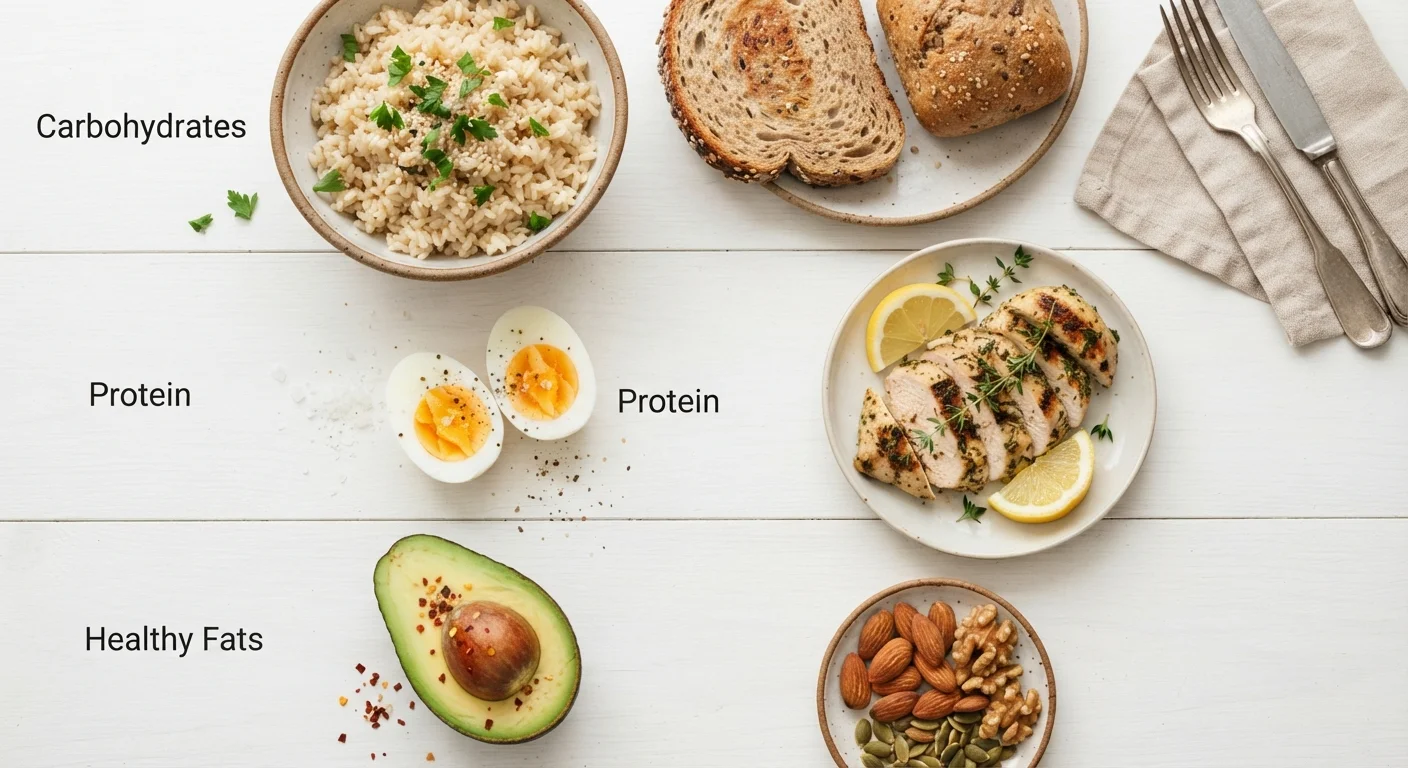
Photo: TrendingResults.net | Discover More, Trend More editorial
Key Takeaways
- Carbohydrates are the body's preferred and most efficient energy source, especially for the brain.
- Protein is essential for building and repairing tissues, and it supports immune function and hormone production.
- Dietary fat is not the enemy - it enables vitamin absorption, protects organs, and helps regulate hormones.
- No macronutrient is inherently harmful; the source, quality, and overall dietary pattern matter most.
- Drastically eliminating any one macronutrient carries potential trade-offs that are worth understanding.
Why Macronutrients Matter
When nutrition conversations turn complicated, it often helps to return to fundamentals. Macronutrients - carbohydrates, protein, and fat - are the three pillars of your diet. They are not competing categories where one wins and the others lose. Each serves distinct, irreplaceable roles, and your body is designed to use all three.
Understanding what each macronutrient actually does can help you make more confident food choices, evaluate nutrition claims, and recognize when popular diets are oversimplifying the science. For a complementary look at the smaller-but-equally-vital nutrients, see our article on vitamins and minerals your body can't make on its own.
45-65%
Recommended daily calorie share from carbohydrates
According to the Dietary Guidelines for Americans, carbohydrates should make up nearly half to two-thirds of total daily calories for most adults.
10-35%
Recommended daily calorie share from protein
The Institute of Medicine's Acceptable Macronutrient Distribution Range sets this window for protein as part of a balanced adult diet.
20-35%
Recommended daily calorie share from fat
Health authorities, including those behind the Dietary Guidelines for Americans, suggest fat should account for roughly one-fifth to one-third of daily calories.
Carbohydrates: Your Body's First Choice for Fuel
Carbohydrates are the body's most readily available energy source. When you eat them, they are broken down into glucose, which circulates in the blood and fuels cells - particularly the brain, which runs almost exclusively on glucose under normal conditions.
Not all carbohydrates behave the same way. Whole food sources - vegetables, legumes, whole grains, and fruit - come packaged with fiber, vitamins, and minerals. Refined carbohydrates, such as white flour products and added sugars, are digested quickly and offer little nutritional support beyond calories. The difference matters: research consistently links diets rich in whole-food carbohydrates with better long-term health outcomes compared to diets high in refined carbs.
Fiber, a type of carbohydrate the body cannot fully digest, is worth special attention. It supports digestive health, helps regulate blood sugar levels, and contributes to satiety. Most Americans fall well short of recommended fiber intake - something explored in depth in our guide on why most Americans don't get enough fiber.
Protein: Builder, Repairer, Regulator
Protein is composed of amino acids - often described as the building blocks of the body. It is essential for constructing and repairing muscle tissue, producing enzymes and hormones, supporting immune function, and transporting molecules through the bloodstream. Unlike carbohydrates and fat, the body has limited capacity to store protein, so a regular dietary supply matters.
Animal-based sources such as meat, poultry, fish, eggs, and dairy tend to be complete proteins, meaning they contain all nine essential amino acids the body cannot produce on its own. Many plant-based sources - beans, lentils, tofu, nuts - are also excellent protein sources, though some lack one or more essential amino acids. Eating a varied plant-based diet readily addresses this.
Combining Plant Proteins Works Well
Protein also plays a notable role in satiety. It is generally more filling per calorie than carbohydrates or fat, which is one reason higher-protein meals may help some people manage their appetite - though this varies between individuals.
Fat: Essential, Not Optional
Dietary fat has long been mischaracterized as something to avoid. In reality, fat performs functions no other macronutrient can. It enables the absorption of fat-soluble vitamins A, D, E, and K. It forms the structural backbone of every cell membrane in your body. It insulates organs, supports brain health - the brain is roughly 60% fat by dry weight - and is necessary for producing several key hormones.
The type of fat matters. Unsaturated fats, found in olive oil, avocados, nuts, and fatty fish, are generally associated with cardiovascular benefits in research. Saturated fats, present in red meat and full-fat dairy, have a more nuanced relationship with health that continues to be studied. Trans fats, largely eliminated from the food supply through regulatory action, are the one category broadly recognized as harmful. For a deeper look at these distinctions, see our explainer on saturated versus unsaturated fat.
The Problem With Eliminating a Macronutrient
Popular diets often hinge on dramatically reducing one macronutrient. Very low-fat diets had their moment; low-carb and ketogenic approaches are more current. While these patterns can produce results for some people in certain contexts, the underlying logic - that one macronutrient is the culprit - is not well supported by the overall body of nutrition research.
Cutting carbs sharply, for instance, eliminates many fiber-rich foods and can make the diet harder to sustain. Severely restricting fat limits absorption of essential vitamins and can affect hormone production. Extremely low protein intake impairs muscle maintenance and immune response. The more useful lens is dietary quality: are you eating mostly whole, minimally processed foods across all three macronutrient categories?
For a closer look at how common nutrition narratives hold up against the evidence, our piece on popular nutrition claims separates myth from science. And when you want to apply this knowledge at the grocery store, reading a Nutrition Facts label can help you interpret what you're actually buying.
This article is for general informational purposes only and does not constitute medical or dietary advice. Consult a qualified healthcare professional or registered dietitian before making significant changes to your diet.
Frequently Asked Questions
The content on this site is provided for informational purposes only and should not be considered a substitute for professional advice. While we strive to provide accurate and up-to-date information, we make no guarantees regarding its completeness or accuracy. Always consult a qualified professional for advice specific to your circumstances before making any decisions.