
Weekly Meal Planning: A Nutritional Foundation, Not a Rigid Schedule

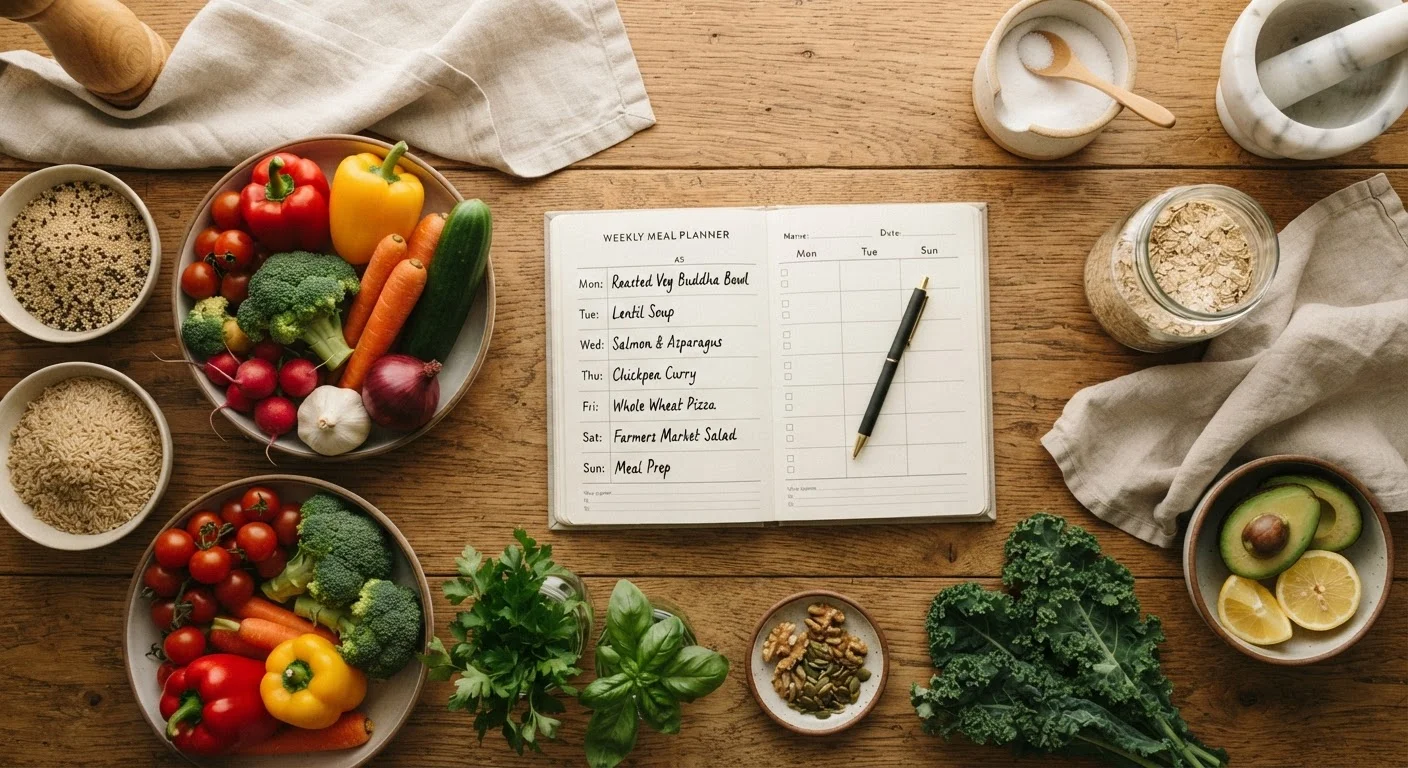
Photo: TrendingResults.net | Discover More, Trend More editorial
Key Takeaways
- A good meal plan is a nutritional framework, not a daily directive you must follow perfectly.
- Covering key food groups consistently matters more than hitting precise calorie targets.
- Batch-prepping ingredients rather than full meals gives you flexibility throughout the week.
- Reducing food waste is one of the simplest ways meal planning supports both health and household budgets.
- Planning works best when it reflects your real schedule, preferences, and cooking skill level.
Why Structure Helps - Without Becoming a Straitjacket
Meal planning has a reputation for being either a time-consuming chore or an obsessive habit reserved for strict dieters. Neither image is accurate. At its core, weekly meal planning is simply a tool for making sure your household has nutritious food available most of the time - without having to make high-stakes decisions at 6 p.m. on a Tuesday.
The evidence base for planning is practical rather than dramatic: people who plan meals ahead tend to eat a wider variety of foods, waste less, and make fewer last-minute choices driven purely by convenience. None of that requires a laminated schedule on the refrigerator. It just requires a few minutes of intentional thinking before the week starts.
This checklist is organized so you can move through it in roughly 20-40 minutes. Skip items that don't apply to your household, and adapt freely. For readers also thinking about physical activity alongside nutrition, our guide on what a balanced weekly exercise plan looks like covers how movement and eating patterns can complement each other.
Assessment & Setup
Nutritional Coverage
Shopping & Prep
Waste Reduction & Flexibility
Putting the Plan Into Practice
Once you've worked through the checklist, you'll have a rough map of the week - not a rigid minute-by-minute menu. The goal is to know that the ingredients for several balanced meals are on hand, that you've accounted for busy nights, and that at least one or two items are prepped and ready to reduce friction when energy is low.
Rigidity Can Undermine the Goal
Nutrition needs vary by age, activity level, health status, and other individual factors. If you're managing a chronic condition, are pregnant, or have specific dietary requirements, work with a registered dietitian rather than relying solely on a general planning checklist. Our overview of how nutritional needs shift across life stages can help you understand why one-size-fits-all guidance has limits.
If cost is a concern, most of the principles in this checklist align naturally with budget-conscious shopping. See our companion piece on eating nutritiously on a budget for strategies on stretching your grocery dollar without sacrificing food quality. And if you're moving toward more plant-forward eating, what plant-based eating actually involves explains the key nutritional considerations worth knowing before you restructure your plate.
Weekly planner template (paper or digital)
Provides a visual map of the week's meals so gaps and overlap are easy to spot at a glance.
Running pantry inventory
A simple list or notes app entry tracking what staples you have on hand, reducing duplicate purchases.
Reusable storage containers
Essential for batch-prepping and storing prepped ingredients safely throughout the week.
Kitchen scale or measuring cups
Useful for portioning batch-cooked staples like grains or legumes consistently across multiple meals.
Grocery list app or notepad
Consolidates your shopping needs in one place so nothing is forgotten and the list can be shared across a household.
This article is for general informational and educational purposes only and is not a substitute for professional medical or dietary advice. Consult a qualified healthcare provider or registered dietitian for guidance tailored to your individual health needs.
The content on this site is provided for informational purposes only and should not be considered a substitute for professional advice. While we strive to provide accurate and up-to-date information, we make no guarantees regarding its completeness or accuracy. Always consult a qualified professional for advice specific to your circumstances before making any decisions.