
Plant-Based Eating: What It Actually Involves and What to Watch For

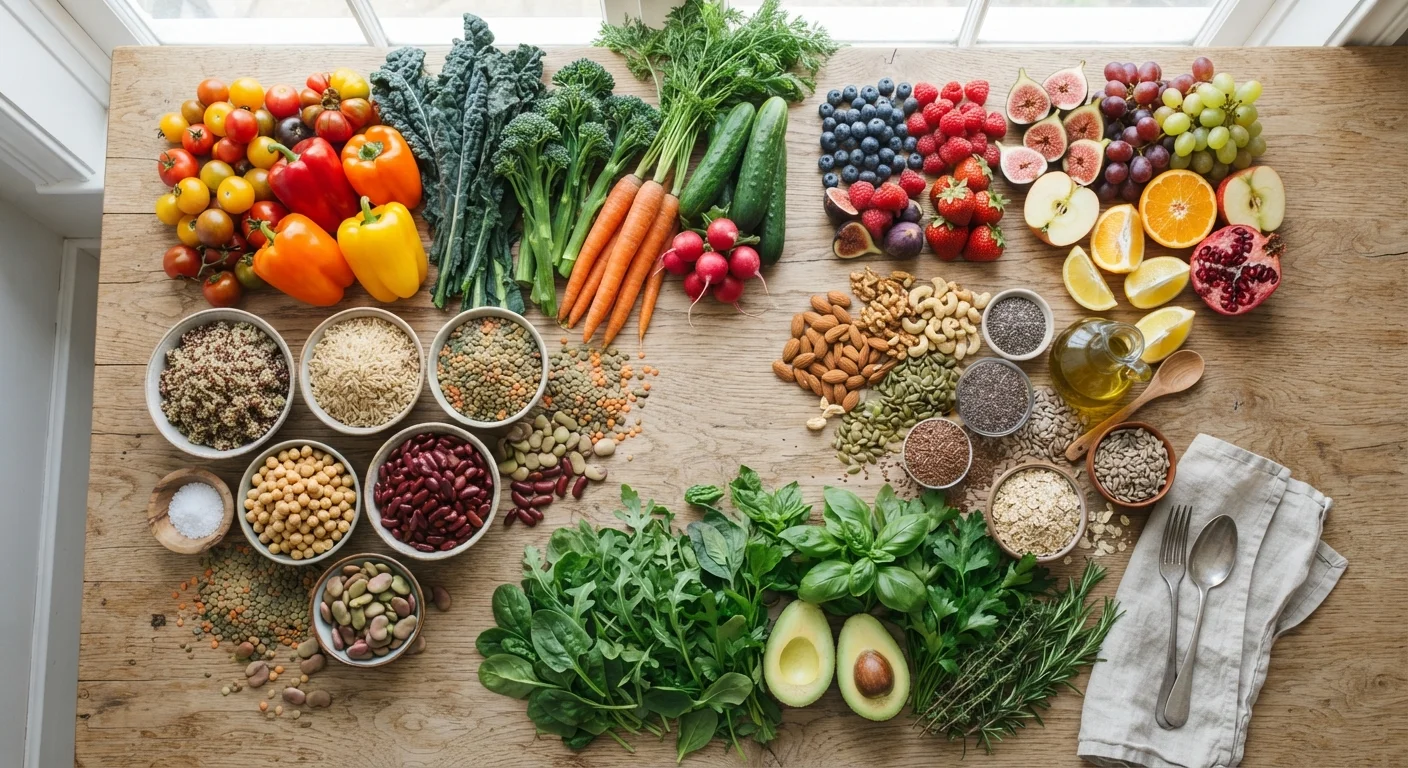
Photo: TrendingResults.net | Discover More, Trend More editorial
Key Takeaways
- Plant-based eating is a spectrum, not a single rigid diet - it can include or exclude animal products to varying degrees.
- Key nutrients to monitor include vitamin B12, iron, calcium, zinc, omega-3 fatty acids, and vitamin D.
- Whole, minimally processed plant foods provide the most nutritional benefit; 'plant-based' labeled products are not automatically healthy.
- Gradual, planned transitions tend to be more sustainable than abrupt changes.
- Certain populations - including pregnant individuals, children, and older adults - should consult a healthcare provider before significantly changing their diet.
What 'Plant-Based' Actually Means
The term plant-based eating gets used loosely, which creates confusion. At its core, it describes a dietary pattern that centers on foods derived from plants - vegetables, fruits, whole grains, legumes, nuts, and seeds - while reducing or eliminating animal-derived foods. But it does not automatically mean vegan or even vegetarian.
Major health organizations, including the Academy of Nutrition and Dietetics, generally describe well-planned plant-based diets as nutritionally adequate for most people. The key phrase there is well-planned. Following a plant-forward approach without attention to nutritional completeness can lead to gaps that develop slowly and aren't always obvious from how someone feels day to day.
Understanding what the term actually covers is the first step to approaching it with clear eyes rather than marketing-driven expectations.
Common Patterns Within Plant-Based Eating
Plant-based eating is better understood as a spectrum than as a single category. The main patterns include:
- Vegan: Excludes all animal products, including meat, poultry, seafood, dairy, and eggs.
- Lacto-ovo vegetarian: Excludes meat and seafood but includes dairy and eggs.
- Pescatarian: Excludes meat and poultry but includes fish and seafood, often alongside dairy and eggs.
- Flexitarian: Primarily plant-based with occasional, intentional inclusion of animal products.
- Whole-food, plant-based (WFPB): Emphasizes minimally processed plant foods and typically minimizes or eliminates animal products and refined foods.
Each pattern has different nutritional implications. A lacto-ovo vegetarian who regularly eats eggs and dairy has access to vitamin B12, calcium, and complete proteins in ways a vegan does not without supplementation or careful food combining. Knowing which pattern you're following - and its specific nutritional demands - matters more than the label itself.
For a practical framework on assembling nutritionally complete meals regardless of which pattern you follow, see our guide to building a balanced plate.
Nutritional Gaps to Know About
This is the area where plant-based eating requires the most attention. Several nutrients are either absent from or harder to absorb from plant sources alone.
~92%
Americans deficient in potassium
According to the Dietary Guidelines for Americans, potassium is a nutrient of public health concern - plant-rich diets are one of the better natural sources.
3-4x
Lower B12 absorption without animal products
Research consistently shows that individuals following vegan diets who do not supplement are at significantly elevated risk of B12 deficiency over time.
~1.8x
More iron needed from plant sources
The Institute of Medicine estimates that vegetarians may need up to 1.8 times the recommended iron intake due to lower bioavailability of non-heme iron.
Vitamin B12
Vitamin B12 is found almost exclusively in animal-derived foods. A deficiency develops slowly and can cause neurological symptoms and anemia. Anyone eating a fully vegan diet - and many long-term vegetarians - needs a reliable B12 source, typically through fortified foods or a supplement. This is one area where expert consensus is consistent and clear.
Iron
Plant foods contain non-heme iron, which the body absorbs less efficiently than the heme iron found in meat. Eating vitamin C-rich foods alongside iron-rich plant foods (like lentils or spinach) can improve absorption. Conversely, coffee, tea, and calcium consumed at the same meal can inhibit it.
Calcium and Vitamin D
Those avoiding dairy need intentional calcium sources - fortified plant milks, tofu made with calcium sulfate, leafy greens like bok choy and kale. Vitamin D, which supports calcium absorption, is difficult to get from food alone for most people, regardless of diet.
Zinc and Omega-3 Fatty Acids
Zinc absorption from plant foods is lower due to phytates in legumes and grains. Soaking and sprouting can help. Omega-3s from plants (found in flaxseed, walnuts, chia seeds) are in the form of ALA, which the body converts to EPA and DHA only in limited amounts. Algae-based omega-3 supplements are one approach to addressing this gap directly.
Pair iron-rich plant foods with a vitamin C source at the same meal - a squeeze of lemon on lentil soup or bell peppers in a bean bowl can meaningfully improve iron absorption.
Don't wait to feel symptoms before addressing B12 - by the time deficiency symptoms appear, they can already be serious. Establish a reliable source early, whether through fortified foods or a supplement.
Making the Transition Thoughtfully
A gradual approach - sometimes called a flexitarian bridge - tends to be more sustainable and easier to plan nutritionally than an abrupt switch. A few grounding principles:
- Build around whole foods first. Focus on adding more legumes, whole grains, vegetables, and nuts before worrying about what to eliminate.
- Learn two or three anchor meals. Having a handful of go-to meals you can make confidently reduces decision fatigue and prevents falling back on convenience foods.
- Track the nutrients that matter. You don't need to log every calorie, but being aware of your B12, iron, and calcium intake - at least initially - helps you spot gaps before they become problems.
- Plan before shopping. Our weekly meal planning guide offers a practical structure for building nutritionally sound meals without overthinking it.
A Note on 'Plant-Based' Processed Foods
Supermarket shelves are now stocked with products marketed as plant-based - burgers, sausages, protein bars, dairy-free cheeses, and more. These products are not automatically nutritious. Many are highly processed, high in sodium, and low in fiber relative to whole plant foods.
Our article on whole foods vs. processed foods breaks down how to think about this distinction practically. In brief: a plant-based diet built largely on ultra-processed plant products does not carry the same evidence-backed benefits as one centered on minimally processed whole foods.
Reading labels carefully is worth the effort. Our guide to reading a Nutrition Facts label walks through exactly what to look for.
Check Labels on Plant-Based Packaged Foods
Who Should Be Extra Cautious
While plant-based eating can be appropriate across life stages, certain groups face higher risks from nutritional gaps and should work with a registered dietitian or physician before making significant dietary changes:
- Pregnant and breastfeeding individuals: Needs for folate, iron, calcium, iodine, and omega-3s increase substantially.
- Children and adolescents: Growth demands make nutritional completeness especially critical; deficiencies can have developmental consequences.
- Older adults: B12 absorption declines with age even among omnivores; protein needs also shift. See our overview of how nutritional needs change across life stages.
- People managing chronic conditions: Kidney disease, diabetes, and some gastrointestinal conditions can interact with high-fiber or high-legume diets in ways that require professional guidance.
This article is for general informational purposes only and is not a substitute for personalized medical or dietary advice. If you have questions about whether a plant-based diet is appropriate for your health situation, consult a qualified healthcare provider or registered dietitian.
The content on this site is provided for informational purposes only and should not be considered a substitute for professional advice. While we strive to provide accurate and up-to-date information, we make no guarantees regarding its completeness or accuracy. Always consult a qualified professional for advice specific to your circumstances before making any decisions.