
Healthy Eating on a Budget: Practical Principles That Actually Work

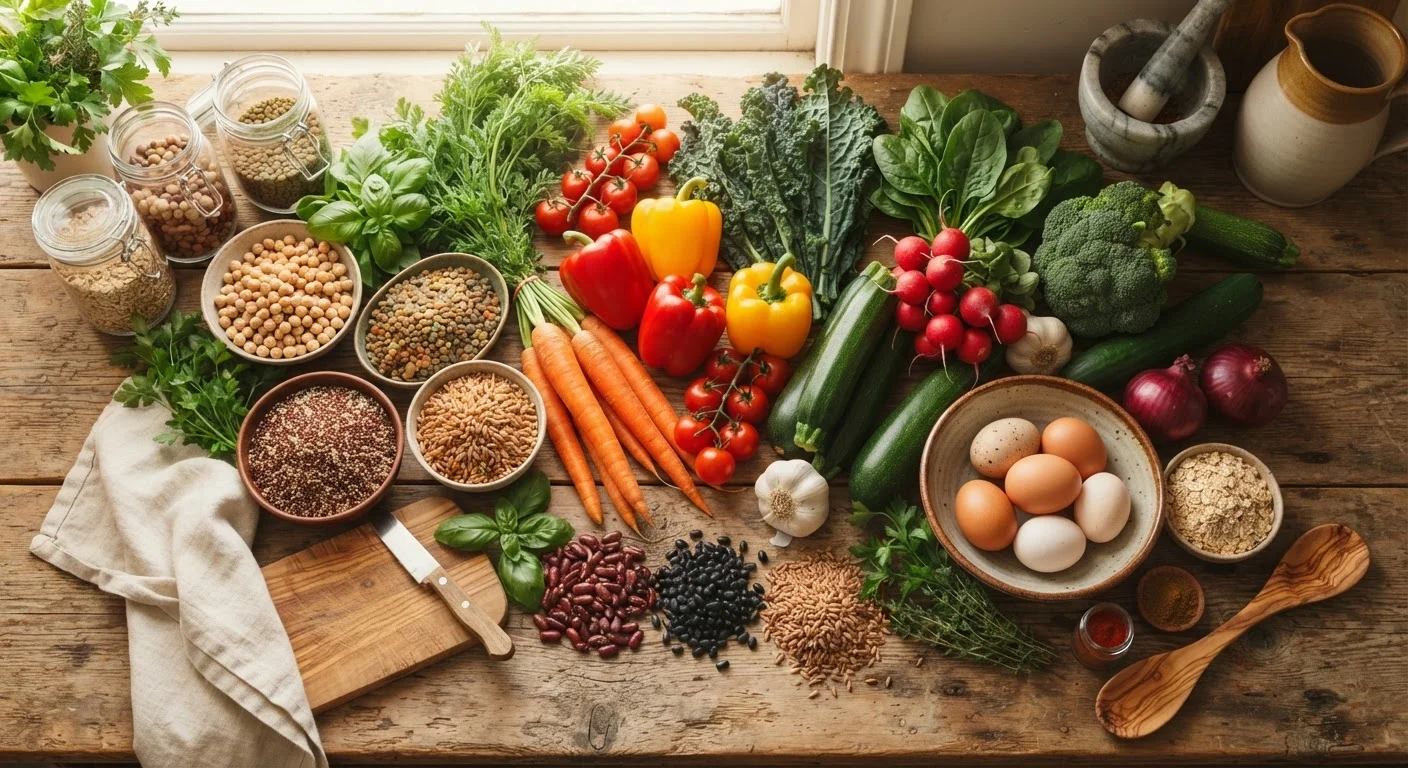
Photo: TrendingResults.net | Discover More, Trend More editorial
Key Takeaways
- Whole foods like legumes, oats, and frozen vegetables deliver strong nutrition at low cost.
- Meal planning before shopping significantly reduces waste and impulse spending.
- Protein doesn't have to mean expensive meat - eggs, beans, and canned fish are nutrient-dense alternatives.
- Store brands and seasonal produce offer comparable nutrition to premium-labeled counterparts.
- Cooking in batches stretches both time and money throughout the week.
Why Budget and Nutrition Aren't at Odds
A persistent myth frames healthy eating as inherently expensive - reserved for those who can afford specialty stores and premium labels. Research challenges that assumption. A 2021 analysis published in Public Health Nutrition found that diets centered on whole grains, legumes, and vegetables can cost substantially less per day than diets heavy in processed and convenience foods.
The key insight: nutritional value doesn't track with price. Some of the most nutrient-dense foods on the planet - dried lentils, canned beans, oats, eggs, frozen spinach - are also among the most affordable items in any grocery store. The disconnect usually comes from habit, marketing, and a lack of practical strategy rather than any fundamental incompatibility between cost and quality.
If you're working to align your household spending with your health goals, see our complete household budgeting framework for a broader look at structuring everyday finances.
Build your meals around inexpensive protein anchors like eggs, dried beans, lentils, and canned fish.
Shop with a list built around a weekly meal plan, not around what looks good in the moment.
Choose frozen and canned vegetables freely - their nutrition rivals fresh.
Buy staple grains and legumes in bulk or larger packages whenever storage allows.
Cook in larger batches and repurpose components across multiple meals.
Prioritize seasonal and locally abundant produce when making fresh vegetable choices.
Plan Before You Shop
Unplanned grocery trips are among the most reliable drivers of both food waste and overspending. Arriving at the store without a list leaves you vulnerable to impulse purchases, redundant items, and produce that spoils before it's used.
A simple weekly plan - even a rough sketch of four or five dinners with shared ingredients - dramatically reduces waste and creates a cleaner shopping list. Crucially, it also reduces the likelihood of defaulting to expensive takeout on busy nights because you already know what's in the fridge. For a structured approach to building nutritionally complete weekly meals, our guide on weekly meal planning is a useful companion resource.
Understanding Where Your Grocery Dollar Goes
Many shoppers routinely overspend in specific categories without realizing it. Packaged snack foods, flavored yogurts, single-serve beverages, and pre-cut produce carry significant markups relative to their whole-food equivalents. Recognizing these patterns is the first step to redirecting that spending.
~$1.50
Estimated cost per serving of dried lentils
USDA food cost data consistently shows dried legumes among the lowest-cost protein sources available in U.S. grocery stores.
30-40%
Typical food waste in U.S. households
According to the USDA Economic Research Service, American households waste a significant share of food purchased, much of it fresh produce bought without a clear plan.
Store-brand staples - rice, canned tomatoes, dried beans, rolled oats - are nutritionally equivalent to name-brand versions in the vast majority of cases. Frozen vegetables are picked and frozen at peak ripeness, meaning their vitamin content is often comparable to fresh, and sometimes better than produce that has traveled long distances. Choosing whole, minimally processed ingredients also means you're paying for food rather than packaging and marketing.
Shopping habits can quietly undermine even a well-intentioned grocery list. Our article on why your grocery cart doesn't reflect your nutrition goals breaks down common patterns worth reconsidering.
Building Meals That Are Both Balanced and Affordable
Nutritional adequacy on a budget comes down to anchoring meals around a few reliable food categories: whole grains, legumes, vegetables (fresh, frozen, or canned), eggs, and modest amounts of animal protein where desired. These categories cover your macronutrient needs - carbohydrates, protein, and fat - alongside essential vitamins and minerals without requiring expensive supplementation.
Plant-forward eating naturally aligns with budget-conscious cooking. Swapping meat for beans or lentils in even two or three meals per week meaningfully lowers costs. For those curious about how plant-based approaches work in practice and what nutritional gaps to watch for, our guide on plant-based eating covers the essentials. For a framework on assembling meals that cover your nutritional bases, see our piece on building a balanced plate.
“The most nutritious diets are not necessarily the most expensive ones. Staple foods - legumes, whole grains, vegetables - are the foundation of healthy dietary patterns across cultures and across centuries.”
— Walter Willett, Professor of Epidemiology and Nutrition, Harvard T.H. Chan School of Public Health
This article is for general informational purposes only and does not constitute medical or dietary advice. Consult a registered dietitian or qualified healthcare professional for guidance tailored to your individual health needs.
The content on this site is provided for informational purposes only and should not be considered a substitute for professional advice. While we strive to provide accurate and up-to-date information, we make no guarantees regarding its completeness or accuracy. Always consult a qualified professional for advice specific to your circumstances before making any decisions.