Home Renovation Myths That Lead Homeowners Astray

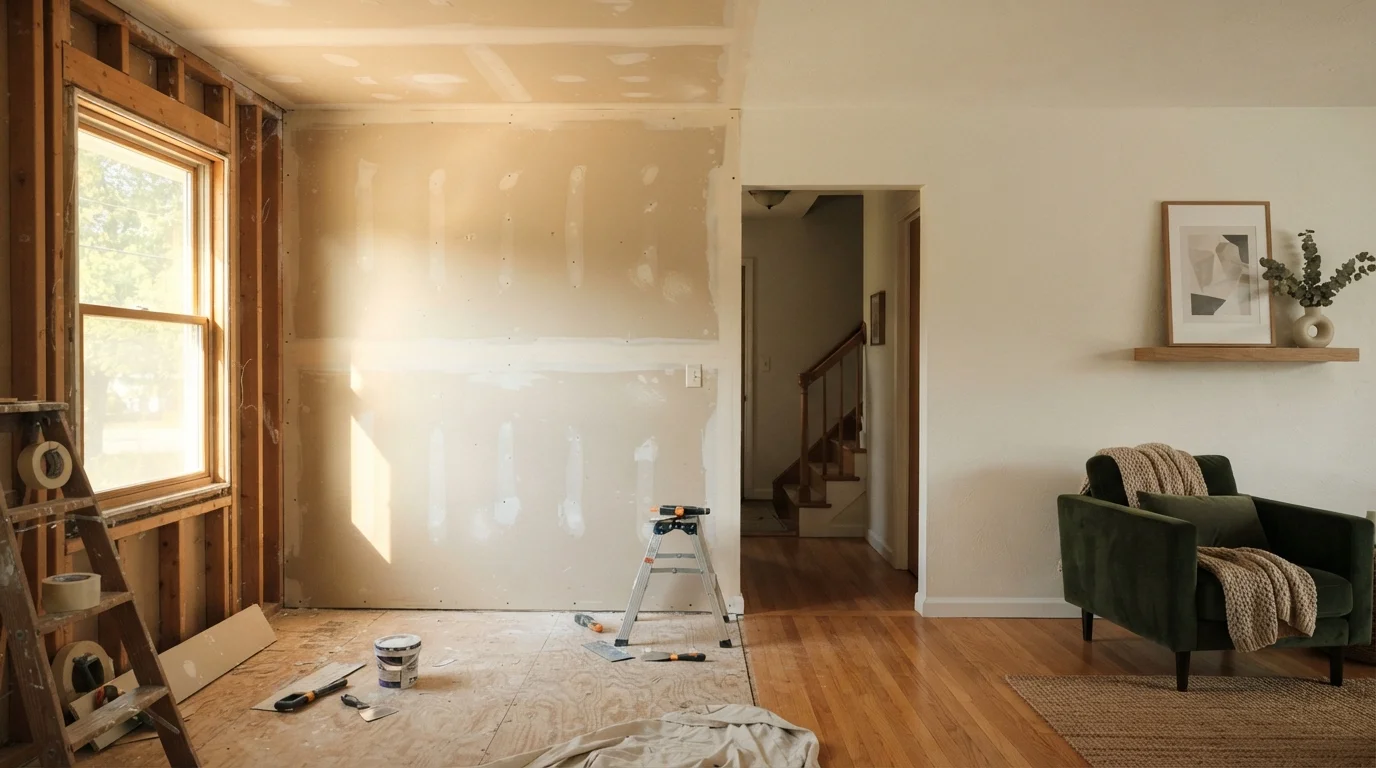
Photo: TrendingResults.net | Discover More, Trend More editorial
Key Takeaways
- Not every renovation adds resale value; return on investment varies widely by project type and local market.
- Skipping permits can result in fines, failed inspections, and serious problems when you sell your home.
- DIY is not always cheaper - hidden costs and code requirements often make professional work more economical.
- The lowest contractor bid is rarely the safest choice; quality and licensing matter far more than price.
- Cosmetic updates can mask structural issues rather than fix them - surface-level work has limits.
Why Renovation Myths Spread - and Why They're Costly
Home renovation advice travels fast - through neighbors, home improvement shows, and well-meaning relatives. Some of it is sound. Much of it is oversimplified or simply wrong. Acting on renovation myths can mean wasted money, failed inspections, or a home that's harder to sell. Before your next project, it's worth examining which widely held beliefs hold up under scrutiny - and which ones lead homeowners astray.
If you're approaching your first large project, our guide to setting expectations before you start covers the planning fundamentals in depth. The myth-busting below will help you go in with clearer eyes.
Myth
Every renovation you do will increase your home's value by at least what you spent.
Fact
Most renovations recover only a portion of their cost at resale, and returns vary significantly by project type and local market conditions.
The idea that renovation dollars translate directly into home equity is one of the most persistent myths in real estate. In practice, the resale value added by a renovation depends heavily on what the project is, how it compares to neighborhood norms, and current buyer preferences in your specific market. A luxury kitchen remodel in a modest neighborhood, for example, is unlikely to recoup its full cost because buyers in that area may not be willing to pay a premium for it. Understanding realistic return expectations before you commit is essential - our kitchen remodel roadmap walks through budgeting with resale in mind.
Myth
Pulling a permit just slows the project down and isn't really necessary for most work.
Fact
Permits are legally required for many types of renovation work, and skipping them can result in fines, forced removal of work, and serious complications when you sell.
Unpermitted work creates a paper trail problem. When you sell your home, a buyer's inspector or lender may flag work that lacks permit documentation. You could be required to open walls, undo completed work, or pay retroactive fees. In some cases, homeowners insurance may not cover damage traced to unpermitted modifications. Permit requirements exist to ensure that work meets safety codes - protecting you and future occupants. Always check with your local building department to understand what your specific project requires before breaking ground.
Myth
DIY is almost always cheaper than hiring a professional.
Fact
DIY can save money on labor for simple cosmetic work, but on complex projects it frequently costs more once mistakes, materials, tools, and code corrections are factored in.
Labor savings from doing work yourself are real - but only when the work is within your skill level and doesn't require specialized tools or licensed trades. Electrical, plumbing, HVAC, and structural work often must be performed or signed off on by a licensed professional under local codes regardless of your ability. Mistakes on these systems can be expensive to fix and, more importantly, dangerous. A failed DIY rough-in that requires a professional to redo from scratch almost always costs more than hiring a pro from the start. Honest self-assessment of your skills - and a clear understanding of local code requirements - should guide the DIY-or-hire decision.
Myth
The lowest contractor bid is the smartest choice - you're getting the same work for less money.
Fact
An unusually low bid often signals cut corners, unlicensed workers, excluded costs, or low-quality materials - all of which tend to cost more in the long run.
When multiple bids come in and one is dramatically lower than the others, that gap usually has an explanation - and it's rarely in the homeowner's favor. The contractor may be planning to use lower-grade materials, underestimating scope, or operating without proper insurance. Always ask for itemized breakdowns of what's included, verify licensing and insurance independently, and check references before signing. A slightly higher bid from a vetted, licensed contractor with clear documentation is almost always the safer investment. The goal is value, not just the lowest number on a page.
Myth
Fresh paint and new flooring can fix just about any home problem before a sale.
Fact
Cosmetic updates can make a home more appealing, but they cannot substitute for addressing underlying structural, mechanical, or moisture issues.
Surface-level improvements have real value - they affect first impressions and buyer perception. But experienced buyers, inspectors, and appraisers look beneath the surface. Fresh paint over water-stained drywall or new flooring laid over a soft subfloor doesn't resolve the underlying problem; it temporarily conceals it. In disclosure-required states, knowingly covering up defects can also create legal liability. Addressing root causes before cosmetic finishes is both ethically and financially sounder. Our exploration of deferred maintenance costs explains how small problems left unaddressed tend to escalate.
Myth
You can always add your renovation costs to your home's asking price dollar for dollar.
Fact
Market conditions and buyer expectations - not renovation receipts - determine what a home will sell for.
What you spend on a renovation and what a buyer will pay for the result are two different numbers. Pricing a home is determined by comparable sales in the neighborhood, current market conditions, and what buyers in your area actually value. A seller who paid $60,000 for a custom home office renovation may find that buyers in the market prefer open space instead - and won't pay a premium for the change. Renovation decisions made purely for personal enjoyment are entirely valid, but they should be understood as personal investments, not guaranteed equity builders.
The Real Stakes: Permits, Professionals, and Project Costs
Several of the most damaging renovation myths center on cost-cutting shortcuts - skipping permits, hiring unlicensed help, or going it alone on complex systems. Understanding what's actually at stake helps homeowners weigh decisions more carefully.
Never Skip Permits on Structural or Systems Work
Work involving electrical panels, load-bearing walls, gas lines, or structural framing almost always requires a licensed professional and a permit in most U.S. jurisdictions. The specific rules vary by municipality, so always verify local requirements before starting work. As our article on deck structural basics illustrates, even projects that seem straightforward - like adding a deck - carry real structural and permitting considerations that DIY enthusiasm alone can't resolve.
For a practical approach to keeping projects organized and on budget, see our piece on managing a renovation without losing your mind. And remember: deferred fixes and myth-driven shortcuts often compound into far larger expenses over time, a point explored in detail in the real costs of delaying home maintenance.
~60-70%
Average cost recouped on major kitchen remodels at resale
Industry cost-vs-value analyses consistently show that even high-impact projects like full kitchen remodels rarely return their full investment when a home is sold.
1 in 5
Homeowners who report unpermitted work found during sale
Home inspections and title reviews frequently surface unpermitted work, which can delay or derail sales negotiations and require costly corrections.
The content on this site is provided for informational purposes only and should not be considered a substitute for professional advice. While we strive to provide accurate and up-to-date information, we make no guarantees regarding its completeness or accuracy. Always consult a qualified professional for advice specific to your circumstances before making any decisions.