
Plumbing Myths That Can Cost You a Costly Service Call

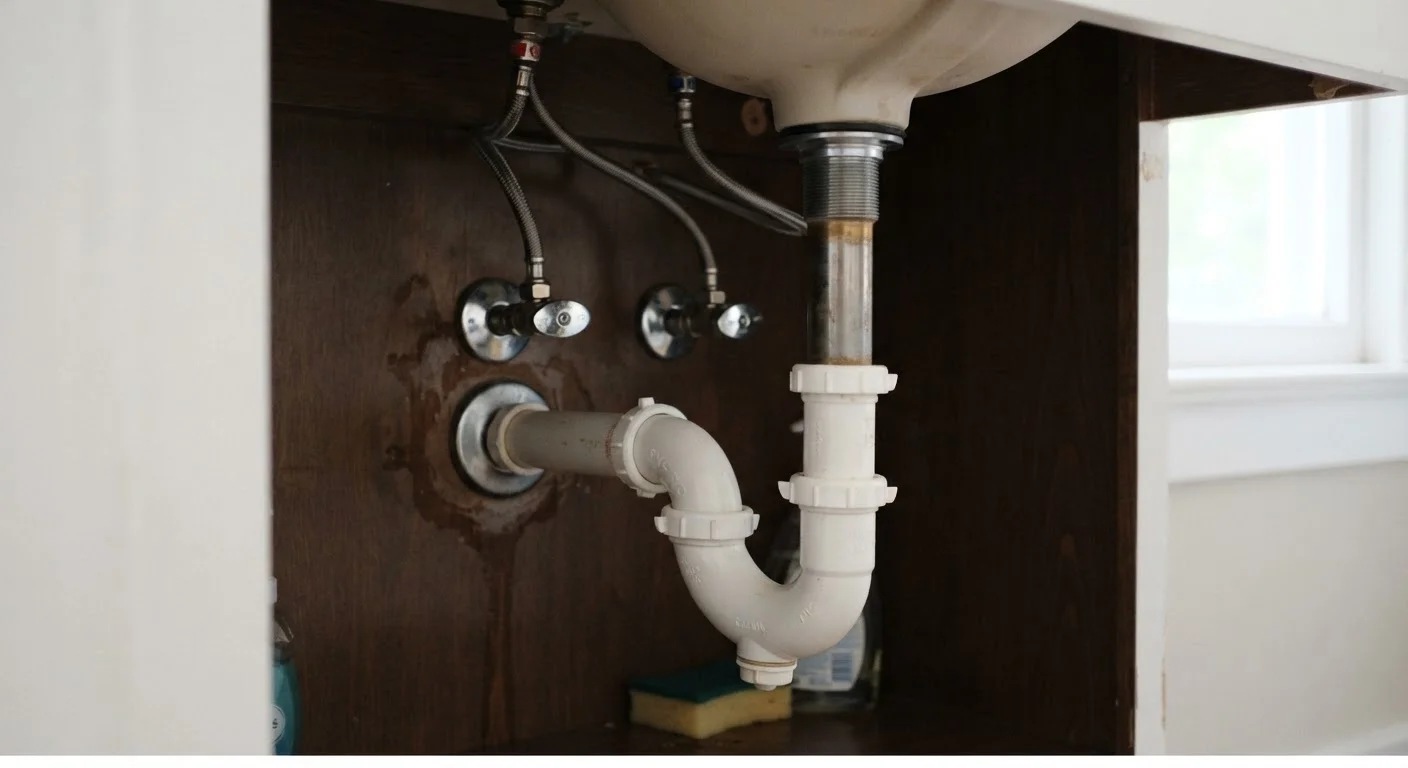
Photo: TrendingResults.net | Discover More, Trend More editorial
Key Takeaways
- "Flushable" wipes do not break down in pipes and are a leading cause of sewer clogs.
- Running water while pouring grease down the drain does not prevent buildup - grease still solidifies.
- A slow drain is almost never just a minor inconvenience; it signals a developing blockage.
- Chemical drain cleaners can corrode older pipes and should not be a routine fix.
- Most plumbing fixes that involve gas lines, main shutoffs, or drain stacks require a licensed plumber.
Why Plumbing Myths Persist - and What They Actually Cost
Plumbing myths spread the same way most home-maintenance folklore does: through well-meaning advice passed down from family, overheard at hardware stores, or stumbled upon in DIY forums. The trouble is that acting on bad plumbing information rarely produces an immediate, obvious disaster. Grease poured down the drain with running water looks fine today. Flushable wipes disappear around the bend without complaint. The damage accumulates silently until a backed-up drain, a burst pipe, or a raw-sewage smell forces a service call - often at an inconvenient hour and an uncomfortable cost.
Understanding which beliefs are myths, and why, helps homeowners make smarter day-to-day decisions without needing a plumber on speed dial. This article examines the most common plumbing misconceptions and replaces them with evidence-based facts. For a broader look at how home-improvement misinformation can hit your wallet, see our guide to home renovation myths.
Myth
"Flushable" wipes are safe to flush - the label says so.
Fact
Most wipes labeled "flushable" do not disintegrate the way toilet paper does and are a documented contributor to pipe blockages and sewer system clogs.
Unlike toilet paper, which is engineered to break apart rapidly in water, most wet wipes - even those marketed as flushable - are made from synthetic or cellulose-blend fibers that hold together long after flushing. Wastewater utilities across the US have documented the role these wipes play in forming large blockages, sometimes combined with grease, in residential and municipal sewer lines. The practical rule: only flush human waste and toilet paper.
Myth
Running hot water while pouring grease down the drain keeps it from clogging.
Fact
Water - hot or cold - does not permanently emulsify cooking grease. Once the water cools further down the pipe, the grease re-solidifies and accumulates on pipe walls.
Hot water may keep grease liquid long enough to move past the sink trap, but it will cool within a few feet of pipe travel and begin to adhere to the pipe interior. Over months and years, this buildup narrows the drain opening and eventually causes a slow drain or a full blockage. The correct disposal method is to let grease cool and solidify, then scrape it into a sealable container and place it in the trash.
Myth
A slow drain is no big deal - it'll clear up on its own.
Fact
A slow drain is almost always a sign of a partial blockage that will worsen without intervention; drains do not self-clear.
Partial blockages from hair, soap scum, food debris, or mineral buildup restrict water flow but rarely dissolve or dislodge themselves. Left untreated, they attract more material and can progress from a slow drain to a completely blocked one - or, in worst cases, cause water to back up into a lower fixture or the basement. A slow drain caught early is far less expensive to address than a full blockage or a pipe that has cracked under pressure from trapped water.
Myth
Chemical drain cleaners are a safe, effective way to maintain clear drains.
Fact
Chemical drain openers can damage older pipes, harm septic systems, and pose significant safety hazards; they are not recommended as a routine maintenance tool.
Most chemical drain cleaners use highly caustic or oxidizing compounds that generate heat to dissolve organic material. In older homes with PVC, ABS, or aging metal pipes, that heat and chemical reaction can soften, warp, or corrode the pipe wall over time. These products are also hazardous to skin, eyes, and respiratory health if mishandled, and they can be harmful to septic tank bacterial ecosystems. A drain snake or hydro-jetting by a licensed professional is a safer and more effective option for recurring blockages.
Myth
You can use any toilet as long as it flushes - the bowl size doesn't matter.
Fact
Toilet trap size, bowl design, and flush volume directly affect performance and can impact downstream clog risk.
Toilets engineered with larger trapways and higher-efficiency flush mechanisms move waste more reliably than low-cost models with smaller openings. Installing an underpowered toilet in a household with heavy use, or in a home where the drain line has a low slope, increases the likelihood of partial flushes and recurring clogs. When replacing a toilet, it's worth reviewing the trap diameter and flush rating alongside the price.
Myth
If water is draining, the pipes are fine.
Fact
Drains can flow while concealing root intrusion, partial blockages, or damaged pipe sections that pose a risk of sudden failure.
Many serious plumbing problems - including tree root infiltration in older clay or cast-iron sewer lines, cracked pipe segments, or heavy scale buildup - still allow water to pass through for months or years before causing a visible symptom. A professional camera inspection of the main sewer line is the only reliable way to assess the actual condition of pipes that appear to be working normally. This is especially relevant in homes built before the 1980s, where original sewer materials may be nearing the end of their serviceable life.
Protecting Your Pipes for the Long Term
Good plumbing habits are less about dramatic interventions and more about avoiding the small, repeated actions that cause slow deterioration. Hard water mineral deposits, for instance, quietly constrict pipe diameter and shorten appliance life - a process explained in detail in our article on how hard water damages pipes and appliances.
Never Ignore a Gurgling Toilet or Drain
A few durable principles help most households avoid unnecessary service calls. Keep a simple drain strainer in every sink and shower. Dispose of fats, oils, and cooking grease in a sealed container in the trash - never the drain. Schedule a professional drain inspection every few years, especially in older homes with cast-iron or clay-tile sewer lines. And when something seems off - a gurgling toilet, a slow-draining tub, an unexplained increase in your water bill - treat it as a signal worth investigating rather than a nuisance to ignore.
Permitted Plumbing Work Protects You
When in doubt about any repair involving gas lines, main water shutoffs, load-bearing walls near pipes, or work that requires a permit, contact a licensed plumber. Many municipalities require licensed work for specific plumbing tasks, and skipping that step can complicate homeowners insurance claims or future home sales.
The content on this site is provided for informational purposes only and should not be considered a substitute for professional advice. While we strive to provide accurate and up-to-date information, we make no guarantees regarding its completeness or accuracy. Always consult a qualified professional for advice specific to your circumstances before making any decisions.