
How Hard Water Quietly Damages Pipes, Appliances, and Fixtures Over Time

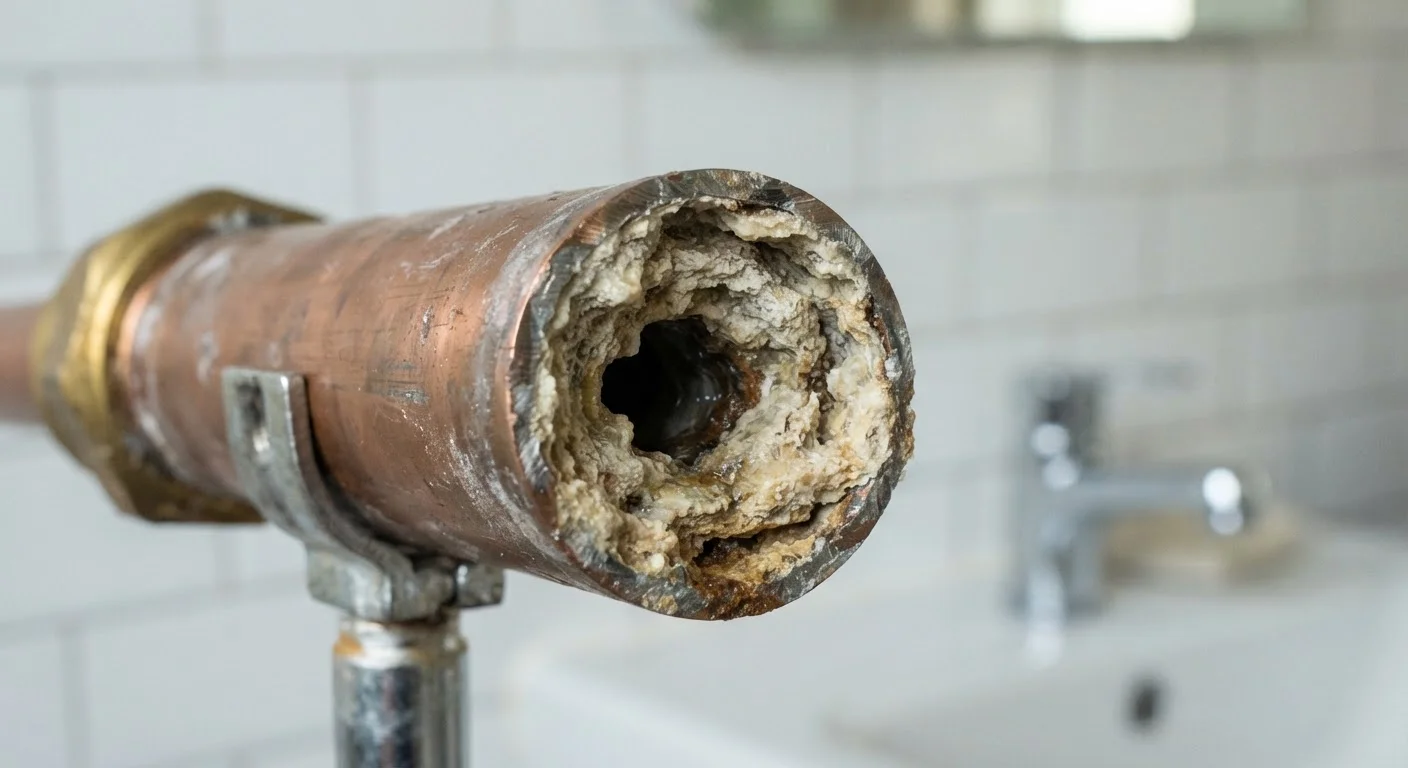
Photo: TrendingResults.net | Discover More, Trend More editorial
Key Takeaways
- Hard water affects roughly 85% of U.S. homes to some degree, according to the U.S. Geological Survey.
- Scale deposits reduce pipe diameter gradually, which raises water pressure demands and energy use.
- Water heaters are among the most vulnerable appliances, with scale insulating heating elements from water.
- Fixtures and showerheads show visible buildup, but internal pipe and appliance damage is harder to detect.
- Treatment options range from water softeners to descaling filters, each with different trade-offs.
- Addressing hard water early can help preserve appliance lifespan and plumbing efficiency.
Why Hard Water Is So Common - and So Easy to Overlook
According to the U.S. Geological Survey, approximately 85% of American homes receive water that qualifies as moderately to very hard. The impact rarely announces itself. There's no sudden failure, no obvious leak - just a slow, invisible narrowing of pipes and a quiet degradation of equipment that most homeowners don't notice until something stops working as expected.
Hard water damage belongs to the same category of gradual home system wear described in how deferred maintenance compounds over time. Because the effects accumulate slowly, they're easy to dismiss - until repair costs make them impossible to ignore.
~85%
U.S. homes affected by hard water
The U.S. Geological Survey estimates approximately 85% of American homes receive water classified as moderately to very hard.
¼ inch
Scale thickness that reduces heater efficiency
Industry guidance indicates that even a thin layer of scale on a water heater element can meaningfully reduce energy efficiency and heating performance.
10-15%
Efficiency loss in scaled water heaters
Estimates from water treatment industry sources suggest scale buildup can reduce water heater efficiency by roughly 10-15% depending on thickness and coverage.
What Scale Actually Does Inside Your Plumbing
When hard water is heated - or simply sits in a pipe - dissolved calcium and magnesium crystalize and adhere to interior surfaces. The deposits start thin, almost imperceptible, but each layer adds to the last. Inside supply pipes, this gradual narrowing forces water to push harder through a smaller opening, increasing pressure and strain on the whole system.
Galvanized steel pipes are particularly susceptible. Scale bonds tightly to their rough interior surfaces and accelerates corrosion beneath. Copper pipes are somewhat more resistant, but they're not immune, particularly at elbows and fittings where water slows and deposits concentrate.
To understand how plumbing fits into your home's broader infrastructure, this plain-language guide to major home systems offers a useful overview of how pipes, HVAC, and other systems interact.
Appliances That Take the Hardest Hit
Water heaters are ground zero for hard water damage. Because they heat water continuously, they create ideal conditions for mineral precipitation. Scale accumulates on the bottom of tank-style heaters and encrusts the heating elements of electric models. A layer of scale as thin as a quarter-inch can meaningfully reduce heating efficiency because the mineral coating insulates the element from the water it's trying to heat.
Dishwashers and washing machines face similar problems. Internal hoses, pumps, and spray arms gradually clog or degrade. The heating elements in dishwashers that dry or sanitize dishes are particularly vulnerable. Refrigerators with water dispensers and ice makers also accumulate scale in their internal lines over time.
Hard water is one of the variables that can shorten appliance service lives below typical expectations. Understanding realistic appliance lifespans can help homeowners set appropriate maintenance timelines.
Fixtures, Showerheads, and the Visible Signs
Faucet aerators and showerheads offer the most visible evidence of hard water. The small perforations in these fixtures clog progressively with mineral deposits, reducing flow and uneven spray. Homeowners often assume reduced water pressure is a plumbing problem, when the showerhead itself is the culprit.
Toilet fill valves and flappers are also affected. Scale buildup on valve seats can prevent a proper seal, causing toilets to run continuously - a waste of water and a quiet signal that hard water is at work. For a broader look at common misunderstandings around plumbing behavior, see common plumbing myths that lead to unnecessary service calls.
“Scale doesn't announce itself. By the time most homeowners realize it's a problem, it's already been costing them in energy bills and shortened equipment life for years.”
— Water Quality Association, Industry organization representing water treatment professionals and researchers
What Homeowners Typically Do About It
The most widely used solution is an ion-exchange water softener, which replaces calcium and magnesium ions with sodium ions, effectively preventing scale formation. These systems require periodic salt replenishment and generate a small volume of brine wastewater during regeneration cycles.
Salt-free conditioners (sometimes called template-assisted crystallization systems) alter the structure of minerals so they're less likely to adhere to surfaces, though they don't actually remove minerals from the water. Whole-house filtration systems vary considerably in what they treat and how effectively. Understanding what whole-house filtration does and doesn't cover is a helpful step before committing to any system.
For localized problems, regular soaking of showerheads and aerators in diluted white vinegar removes light scale buildup. Annual professional flushing of tank water heaters can remove sediment before it hardens into scale. These smaller habits, practiced consistently, extend the time before more significant interventions are needed.
Frequently Asked Questions
The content on this site is provided for informational purposes only and should not be considered a substitute for professional advice. While we strive to provide accurate and up-to-date information, we make no guarantees regarding its completeness or accuracy. Always consult a qualified professional for advice specific to your circumstances before making any decisions.