
What a Circuit Breaker Is Actually Doing When It Trips

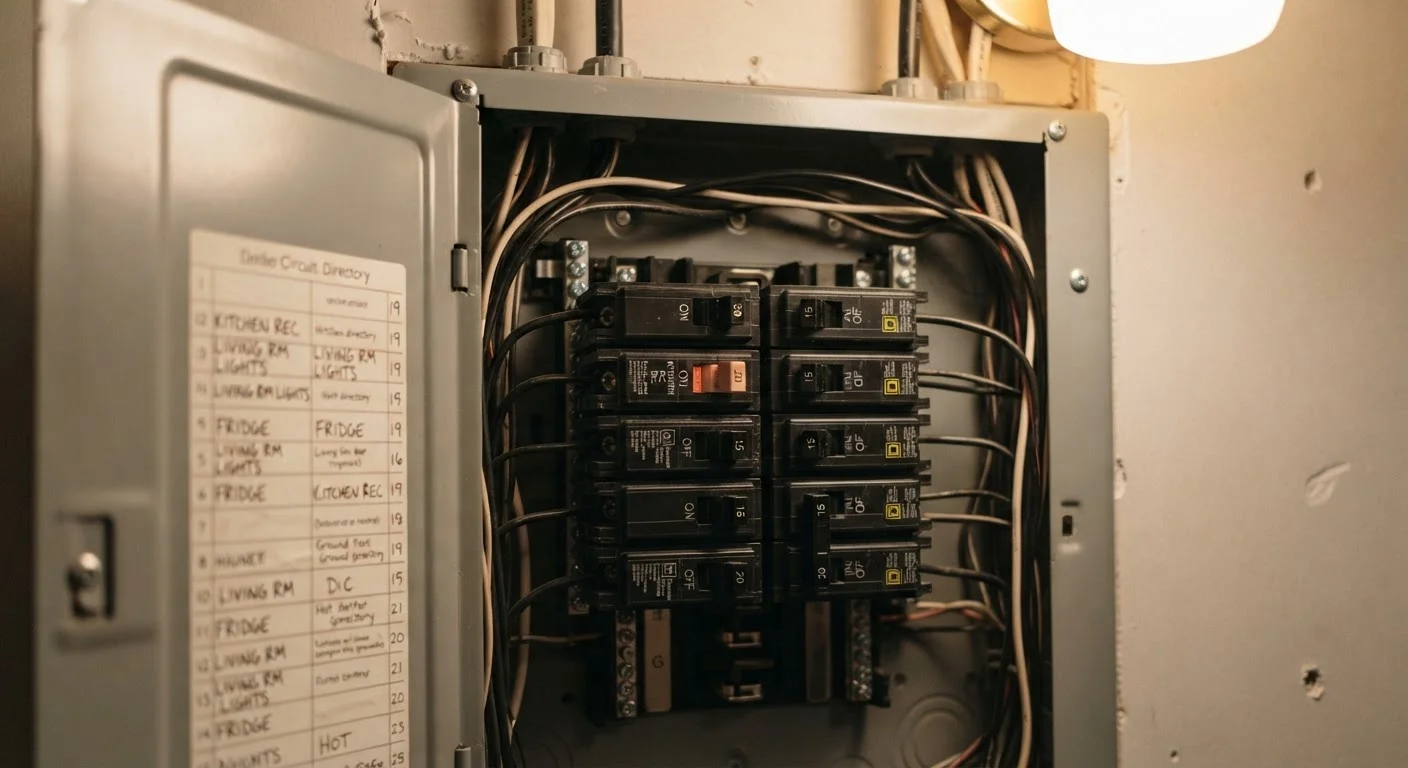
Photo: TrendingResults.net | Discover More, Trend More editorial
Key Takeaways
- A tripped breaker is a protective response, not a random failure - something caused it.
- Overloaded circuits, short circuits, and ground faults are the three main causes of a trip.
- A breaker that trips repeatedly on the same circuit is a warning sign that warrants investigation.
- Resetting a breaker is safe when done correctly, but recurring trips should prompt a licensed electrician visit.
- Breaker age and condition matter - older or faulty breakers can trip without a true electrical fault.
The Basic Electrical Logic Behind a Trip
Every circuit in your home is designed to carry a specific maximum amount of electrical current, measured in amperes (amps). The circuit breaker assigned to that circuit acts as a gatekeeper: it monitors current flow continuously, and when that flow exceeds the circuit's safe limit, the breaker opens its internal switch and cuts power.
Think of it like a pressure relief valve on a water pipe. The pipe can handle a certain pressure range safely. If pressure spikes beyond that range, the valve releases before the pipe bursts. A breaker does the same job for electricity - it releases the circuit before heat or current can damage wiring or start a fire.
The key thing to understand is that a trip is always caused by something. The breaker didn't fail - it succeeded. Your job as a homeowner is to understand what triggered it.
~51%
Of home fires attributed to electrical failures
According to the U.S. Fire Administration, electrical fires account for a significant share of residential home fires annually, with wiring and related equipment frequently cited as contributing factors.
15-20 amps
Typical residential circuit breaker ratings
Most standard household circuits are rated at 15 or 20 amps; large appliances like dryers and ranges typically run on dedicated 30- to 50-amp circuits.
The Three Causes of a Breaker Trip
1. Overloaded Circuit
This is the most common cause. An overload happens when the total current demand from all devices plugged into a circuit exceeds the breaker's amperage rating. A 15-amp circuit running a space heater, a hair dryer, and a vacuum cleaner at the same time is a classic recipe for a trip. The solution is usually redistributing appliances across multiple circuits.
2. Short Circuit
A short circuit occurs when a hot (live) wire touches a neutral wire, creating a direct, unintended path for electricity with almost no resistance. Current spikes instantly and dramatically, and the breaker trips within milliseconds. Short circuits can happen inside a damaged appliance, a frayed power cord, or faulty wiring inside the wall. They're more serious than overloads and typically require inspection.
3. Ground Fault
A ground fault is similar to a short circuit but involves current leaking to a grounding path - sometimes through a person. In wet areas like bathrooms and kitchens, GFCI outlets provide faster, more sensitive protection than standard breakers. A ground fault at a regular outlet, however, will still cause the circuit breaker to trip.
For a deeper look at how your panel organizes these circuits and labels their ratings, see our guide to reading your electrical panel.
How to Reset a Breaker Correctly
A tripped breaker sits in a middle position - not fully on, not fully off. Before resetting it, unplug or turn off the devices on that circuit. Then firmly push the breaker handle all the way to the off position before pushing it back to on. Skipping the full-off step is a common mistake that prevents a proper reset.
Always Reduce the Load First
If the breaker trips again immediately, do not reset it a second time. Something on that circuit is still causing the fault. Leave the breaker off and identify the problem before restoring power.
When a Recurring Trip Is a Warning Sign
A breaker that trips once after an obvious overload - say, too many holiday lights on one outlet - is doing its job normally. A breaker that trips repeatedly, trips with normal loads, or trips with nothing plugged in is telling you something different.
Recurring trips can indicate deteriorating wiring insulation, a failing breaker that no longer holds its rated load, a loose connection creating arc faults, or an appliance with internal damage. These are conditions that can escalate from nuisance to hazard. A licensed electrician can use diagnostic tools to isolate whether the problem lies in the breaker itself, the wiring, or a connected device.
Recurring breaker trips are one of several signs detailed in our article on when your home's wiring needs a professional look.
This article is for general informational and educational purposes only. Electrical work involves serious safety risks. Always consult a licensed electrician before making changes to your home's electrical system, and verify any required permits with your local authority.
Frequently Asked Questions
The content on this site is provided for informational purposes only and should not be considered a substitute for professional advice. While we strive to provide accurate and up-to-date information, we make no guarantees regarding its completeness or accuracy. Always consult a qualified professional for advice specific to your circumstances before making any decisions.