
Signs Your Home's Electrical Wiring Needs a Professional Look

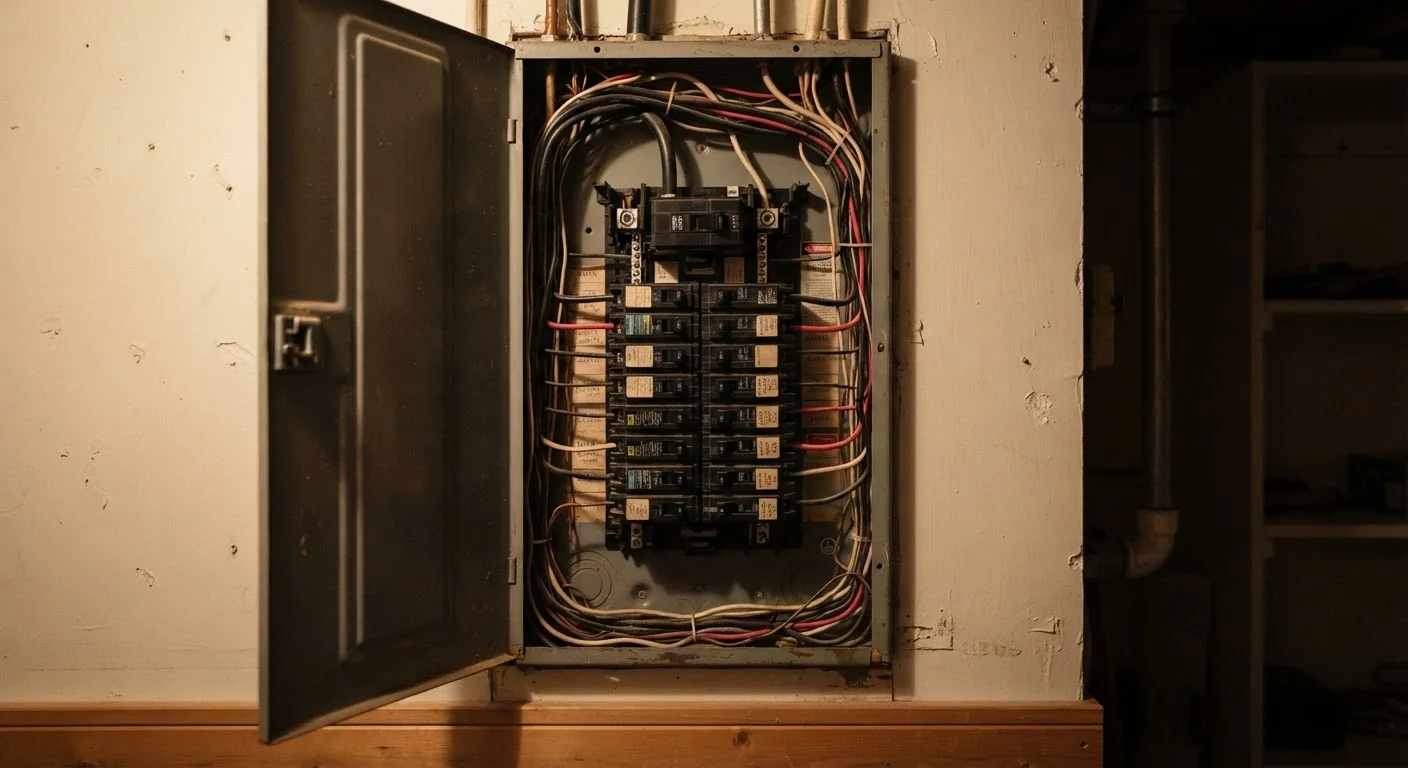
Photo: TrendingResults.net | Discover More, Trend More editorial
Key Takeaways
- Flickering lights and frequent breaker trips are common early warning signs of wiring problems.
- Warm or discolored outlets, burning smells, and buzzing sounds require immediate professional attention.
- Older homes with outdated wiring systems may need a full electrical inspection and upgrade.
- Never attempt DIY repairs on panels, service entrances, or wiring inside walls - hire a licensed electrician.
- Electrical issues flagged during a home inspection should be resolved before closing on a property.
When Your Electrical System Is Telling You Something
Your home's electrical system works quietly in the background every day - until it doesn't. Many wiring problems don't announce themselves with a dramatic failure. Instead, they show up as minor annoyances: a light that dims when you run the microwave, an outlet that feels slightly warm to the touch, a breaker that trips once a month. These small signals are worth taking seriously.
Electrical faults are one of the leading causes of residential fires in the United States, according to the U.S. Fire Administration. The good news is that most serious problems are preceded by detectable warning signs - if you know what to look for. To understand how your electrical system fits into your home's overall infrastructure, see our plain-language guide to major home systems.
The warning signs below don't necessarily mean your home is in immediate danger, but each one warrants a call to a licensed electrician for a proper assessment. Do not attempt to inspect wiring inside walls, service panels, or your home's service entrance yourself - these areas carry serious shock and fire risks and are regulated by local electrical codes.
Lights that flicker or dim unexpectedly
Occasional flickering when a large appliance starts up - such as a central air conditioner or refrigerator compressor - can be normal, as motors draw a brief surge of current. However, persistent or widespread flickering across multiple rooms, or dimming that occurs without any obvious trigger, typically points to a more serious issue. Common culprits include loose wiring connections, an overloaded circuit, or problems at the main panel. A licensed electrician can trace the source and determine whether a wiring repair or a circuit upgrade is needed.
Persistent flickering across multiple rooms often points to loose connections or an overloaded circuit.
Circuit breakers that trip repeatedly
A circuit breaker is designed to trip when a circuit draws more current than it can safely handle - that's the safety system working as intended. But if the same breaker trips frequently, especially under normal everyday loads, it's signaling that the circuit is undersized for its demand, that there's a wiring fault, or that the breaker itself is failing. Repeatedly resetting a tripping breaker without investigating why is not a safe long-term solution. Have an electrician evaluate the circuit's capacity and condition.
Repeatedly resetting a tripping breaker without investigation is not a safe long-term solution.
Outlets or switch plates that are warm or discolored
Outlets and switches should be at or near room temperature to the touch. Warmth - or visible scorching, yellowing, or blackening around a faceplate - indicates that heat is building up behind the wall. This can result from a loose connection, an overloaded outlet, or deteriorating wiring insulation. Any outlet that shows discoloration or feels hot should be treated as an urgent concern: stop using it immediately and have it inspected before resuming normal use.
Discolored or warm outlets should be taken out of use immediately and inspected by a professional.
A persistent burning smell with no clear source
A burning odor that doesn't trace back to a kitchen appliance, overheated motor, or obvious source is a red flag that requires prompt attention. Electrical insulation that is overheating or smoldering produces a distinctive acrid or plastic-like smell. If the odor is coming from an outlet, switch, or your electrical panel, treat it as an emergency: turn off power to that area at the breaker and call an electrician - or your local fire department if you suspect active smoldering inside walls.
An unexplained burning smell near an outlet or panel is an emergency that warrants immediate action.
Buzzing, crackling, or sizzling sounds from outlets or switches
A properly functioning electrical outlet or switch operates silently. Audible buzzing, crackling, or sizzling sounds coming from a receptacle, switch, or panel typically indicate arcing - a condition where electricity is jumping across a gap caused by a loose or damaged connection. Arcing is a direct fire risk and should not be ignored or monitored over time. Stop using the affected outlet or switch and schedule an inspection promptly.
Buzzing or crackling from an outlet indicates arcing - a direct fire hazard that needs prompt inspection.
An electrical panel with signs of age or known outdated components
Some older electrical panels have a documented history of reliability or safety concerns - for example, certain panel brands and designs from past decades have been associated with overheating or breaker-failure issues. If your home was built before the 1980s and has never had an electrical update, the panel, wiring type (such as aluminum branch-circuit wiring or knob-and-tube wiring in very old homes), and overall capacity may not meet current demand or code standards. A licensed electrician can assess whether your system needs an upgrade and what local permits would be required.
Homes built before the 1980s without electrical updates may have wiring that no longer meets current standards.
What to Do After Spotting a Warning Sign
If you've noticed one or more of these signs, the right first step is to document when and where they occur, then contact a licensed electrician. Be specific: note which outlets are affected, how often breakers trip, and whether symptoms worsen when large appliances are running. This information helps a professional diagnose the root cause faster.
How to Communicate Effectively With an Electrician
If you're buying a home, don't overlook electrical findings in your inspection report. Our article on home inspection red flags every buyer should recognize covers which issues deserve serious attention before you close. Once any immediate concerns are addressed, building a regular maintenance habit pays dividends long term - our annual home systems maintenance checklist can help you stay ahead of problems before they escalate.
This article is for general informational purposes only and does not constitute electrical, safety, or legal advice. Always consult a licensed electrician and verify requirements with your local authority having jurisdiction (AHJ) before undertaking any electrical work.
The content on this site is provided for informational purposes only and should not be considered a substitute for professional advice. While we strive to provide accurate and up-to-date information, we make no guarantees regarding its completeness or accuracy. Always consult a qualified professional for advice specific to your circumstances before making any decisions.