
Spring Yard Prep Checklist: Getting Your Outdoor Space Ready

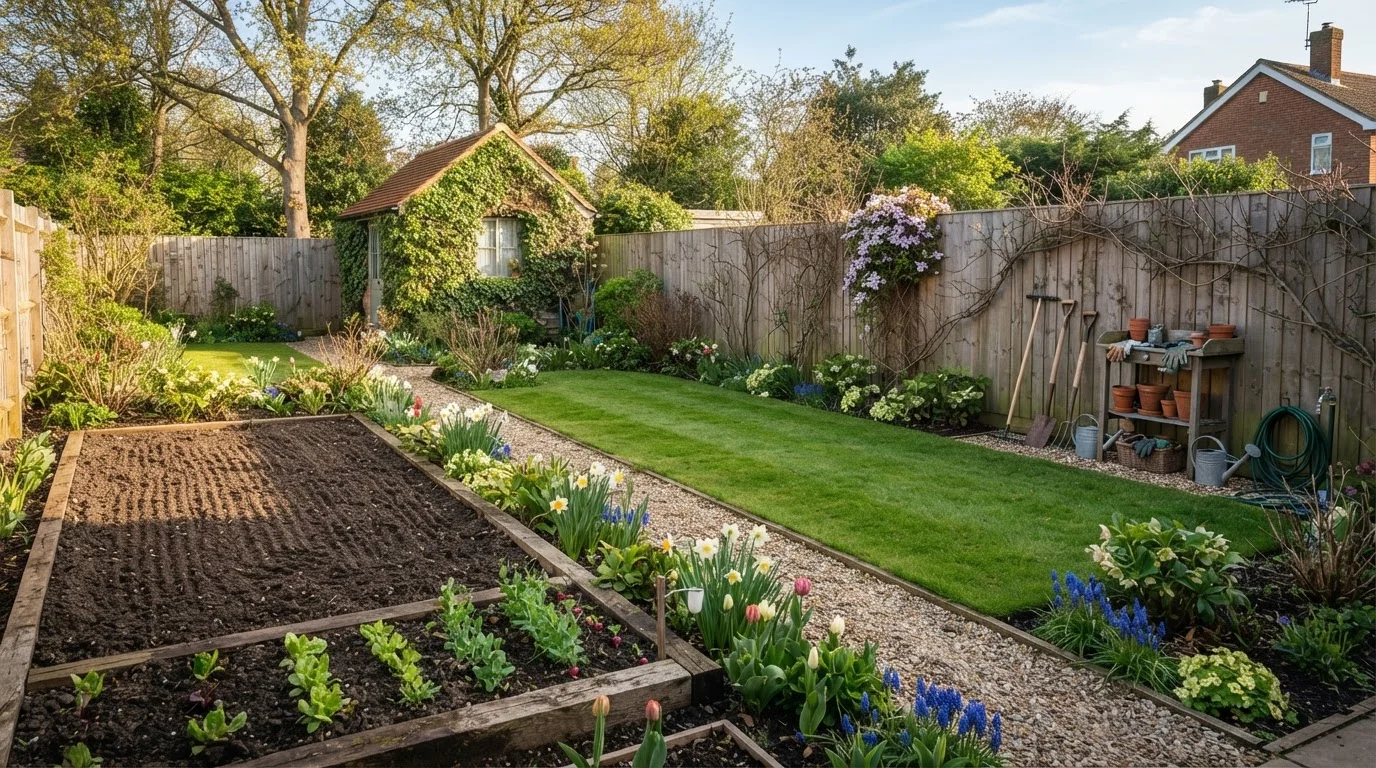
Photo: TrendingResults.net | Discover More, Trend More editorial
Key Takeaways
- A methodical spring walkthrough catches winter damage before it becomes a costly repair.
- Soil preparation in early spring directly affects how well plants establish and produce later.
- Lawn recovery tasks like aeration and overseeding are most effective when done at the right soil temperature.
- Cleaning and testing irrigation before the growing season prevents water waste and plant stress.
- Outdoor structures and hardscaping need an annual inspection to stay safe and functional.
Why Spring Prep Matters More Than You Think
Most yard problems that surface in midsummer - patchy grass, struggling garden beds, broken irrigation lines - trace back to skipped steps in spring. The weeks just after your last frost are a narrow window when the work you do has an outsized effect on the entire growing season.
This checklist walks you through every major zone of your outdoor space: your lawn, garden beds, hardscaping, irrigation, and tools. Work through it systematically over a weekend and you'll start the season with a clear picture of what your yard needs - and a plan to deliver it.
If you're also planning a vegetable garden this year, pair this checklist with our guide to starting a backyard vegetable garden for deeper guidance on site selection and soil prep. And for a full-season perspective on lawn care, our month-by-month lawn care reference is a useful companion throughout the year.
Damage Assessment & Cleanup
Lawn Care
Garden Beds & Planting Areas
Irrigation & Watering Systems
Hardscaping & Structures
Tools and Supplies You'll Need
Before you start walking your property, gather the basics. Having the right tools on hand prevents half-finished tasks and keeps your momentum going across the checklist.
Soil thermometer
Determines when soil is warm enough for seeding, fertilizing, and pre-emergent herbicide application.
Soil test kit
Measures soil pH and primary nutrient levels so amendments and fertilizers can be applied accurately.
Garden rake
Removes debris, smooths soil, and prepares seed beds across the lawn and garden areas.
Core aerator (manual or rental)
Pulls plugs from compacted lawn soil to improve drainage, airflow, and nutrient uptake at the root zone.
Mulch (bagged or bulk)
Applied to garden beds to suppress weed germination and retain soil moisture through the growing season.
Garden hose with adjustable nozzle
Used to flush and test irrigation lines and water in newly seeded or amended areas.
Loppers and pruning shears
Cut back dead perennial growth, trim winter-damaged shrub branches, and divide overgrown clumps cleanly.
Compost or aged organic matter
Incorporated into garden bed soil to improve structure, drainage, and nutrient availability for the growing season.
Don't Rush Frost-Sensitive Tasks
Working Through the Checklist
Move through your yard zone by zone rather than jumping around. Starting with a full walkthrough and damage assessment before doing any physical work helps you prioritize - some issues, like heaved pavers or broken irrigation heads, should be addressed before you plant or fertilize anything nearby.
Once structural and soil tasks are done, shift your attention to lawn recovery. Cool-season grasses respond well to early spring aeration and overseeding, while warm-season grasses should wait until soil temperatures are consistently above 65°F. A simple soil thermometer, available at most garden centers, takes the guesswork out of timing.
If your home is also in pre-sale preparation mode, note that curb appeal is a significant factor for buyers - our pre-sale home preparation checklist covers the outdoor staging details that matter most to prospective buyers.
Deck Safety Inspection Is Non-Negotiable
The content on this site is provided for informational purposes only and should not be considered a substitute for professional advice. While we strive to provide accurate and up-to-date information, we make no guarantees regarding its completeness or accuracy. Always consult a qualified professional for advice specific to your circumstances before making any decisions.