
Starting a Vegetable Garden in Your Backyard

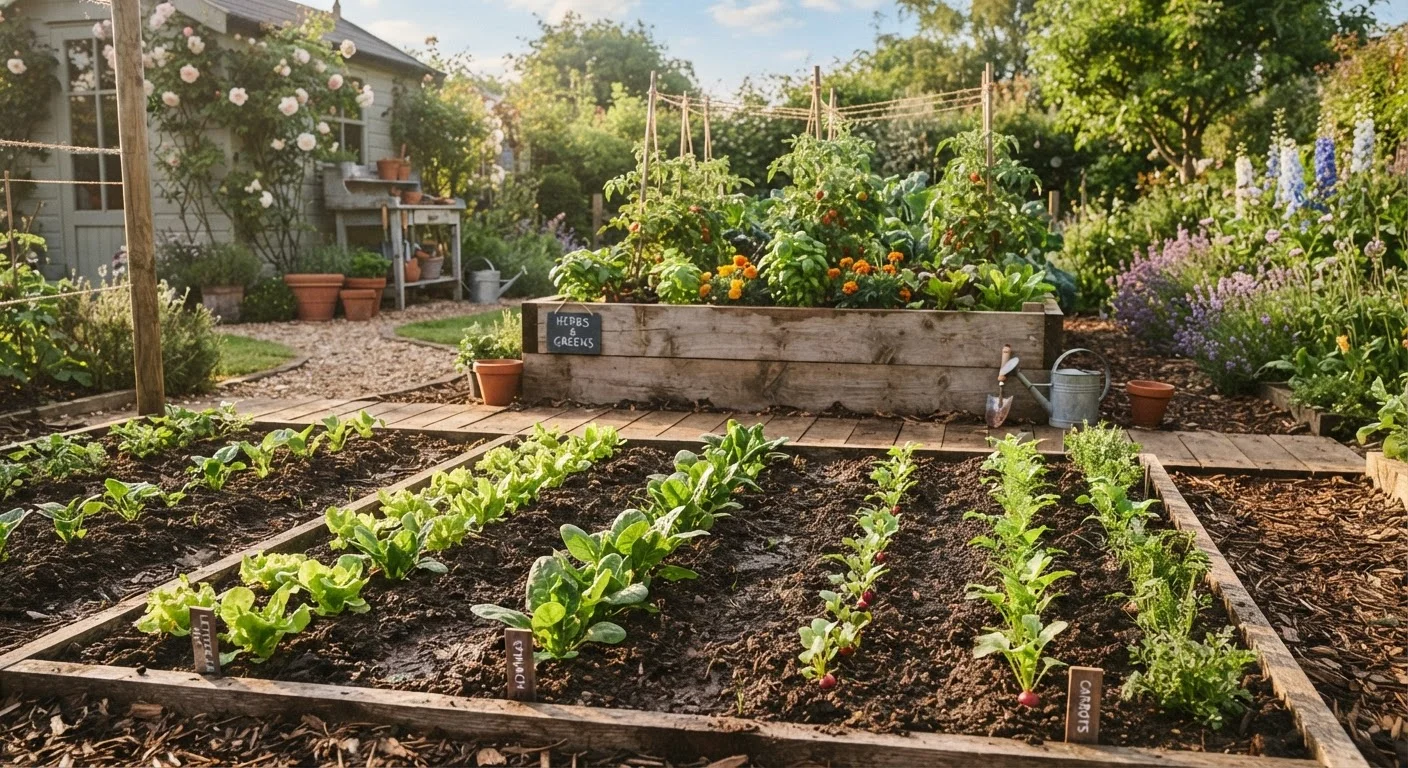
Photo: TrendingResults.net | Discover More, Trend More editorial
Key Takeaways
- Six or more hours of direct sunlight per day is the minimum threshold for most vegetable crops.
- Soil quality matters more than plot size - improving structure and organic matter upfront pays off all season.
- Starting with easy, fast-maturing crops builds confidence and keeps first-season workload manageable.
- Consistent, deep watering encourages stronger root systems than frequent shallow watering.
- Overplanting is the most common beginner mistake - a small, well-tended bed outproduces a crowded, neglected one.
Choosing the Right Spot
The single most important decision you'll make is where to put your garden. Most vegetables are sun-hungry plants, and a shaded or partially shaded location will limit your options and yield regardless of how well you prepare the soil.
Walk your yard at different times of day and observe which areas receive uninterrupted sunlight. Aim for a spot that gets at least six hours of direct sun daily - eight or more is better for crops like tomatoes, peppers, and cucumbers. Note any trees, fences, or structures that cast moving shadows as the season progresses.
Beyond sunlight, consider these site factors:
- Proximity to water: You'll water frequently, so locating the garden within reasonable reach of an outdoor spigot saves significant time and effort.
- Drainage: Avoid low-lying areas where water pools after rain. Waterlogged roots invite rot and disease.
- Level ground: A reasonably flat surface prevents soil and water from running off. Gently sloped sites can work with some shaping.
- Away from large trees: Mature trees compete for water and nutrients, and their roots can infiltrate garden beds.
If in-ground planting feels limiting given your space, our guide to raised garden beds walks through the trade-offs before you commit to building one.
Last frost date
The average date of the final freezing temperature in spring for a given location. Warm-season vegetables are planted after this date to avoid frost damage.
Soil pH
A measure of how acidic or alkaline your soil is, on a scale from 0 to 14. Most vegetables prefer a slightly acidic to neutral range of 6.0-7.0.
Organic matter
Decomposed plant or animal material - such as compost - added to soil to improve its structure, fertility, and ability to retain moisture.
Succession planting
Sowing the same crop in small batches every few weeks rather than all at once, so you get a continuous harvest rather than everything ripening simultaneously.
Hardiness zone
A geographic classification system (published by the USDA) that maps average annual minimum temperatures, helping gardeners know which plants are likely to survive winter in their area.
Soil amendment
Any material mixed into soil to change its physical or chemical properties - examples include compost, lime, sulfur, and aged manure.
Preparing and Improving Your Soil
Good vegetables start with good soil. Native backyard soil is often compacted, nutrient-poor, or poorly structured - but it can almost always be improved. Before planting anything, invest time in understanding and amending what you're working with.
Start with a soil test. Many university cooperative extension services offer low-cost testing that reveals your soil's pH and nutrient profile. Most vegetables grow best in soil with a pH between 6.0 and 7.0. Results will tell you whether to add lime (to raise pH) or sulfur (to lower it) and which nutrients are deficient.
To improve soil structure and fertility, work in organic matter - aged compost is the most reliable amendment available to home gardeners. Spread a 2-3 inch layer over your bed and till or dig it into the top 8-12 inches of soil. Organic matter improves drainage in clay-heavy soils, increases moisture retention in sandy soils, and introduces beneficial microbial activity. If you want to generate your own supply, our guide to building a home composting system covers the full process.
Test Before You Amend
Avoid working soil when it's wet - doing so compacts structure and destroys the air pockets that roots depend on. Squeeze a handful: if it crumbles apart, it's ready to work; if it holds a slick ball, wait.
Selecting Crops for Your First Season
Choosing what to grow is where enthusiasm can outpace good judgment. A garden planted with a dozen different vegetables simultaneously is hard to manage and easy to lose. Instead, choose four to six crops that match your climate, available space, and cooking habits.
For beginners, fast-maturing and forgiving crops build confidence quickly:
- Lettuce and salad greens: Ready in as few as 30-45 days, tolerant of partial shade, and easy to succession-plant for continuous harvest.
- Radishes: Among the fastest vegetables you can grow - some varieties mature in under a month.
- Green beans (bush type): Productive, low-maintenance, and don't require staking like pole beans.
- Zucchini: Notoriously prolific once established; one or two plants typically provide more than enough for a household.
- Cherry tomatoes: More disease-tolerant and faster to fruit than large slicing types, with consistent yields throughout the season.
Match each crop to your local climate and planting calendar. Your state's cooperative extension service publishes region-specific planting guides that account for your last frost date, a far more reliable reference than generic national charts. Before you plant, a thorough spring yard prep checklist can help you confirm your garden space is truly ready for the season.
Planting, Watering, and Early Care
Once your site is prepared and crops are selected, consistent early care determines how the season unfolds. Two practices - proper spacing and deep watering - have an outsized effect on plant health.
Spacing: Seed packets and transplant tags carry spacing recommendations for a reason. Crowded plants compete for light, air circulation, water, and nutrients. Poor air circulation, in particular, promotes fungal diseases. Resist the temptation to plant more densely than recommended.
Watering: Most vegetable gardens need roughly one inch of water per week. Deep, infrequent watering - two to three times weekly - encourages roots to grow downward rather than staying shallow and vulnerable. Water at the base of plants rather than overhead when possible; wet foliage overnight creates conditions favorable to disease. A simple rain gauge helps you track what nature contributes.
Mulching: Applying a 2-3 inch layer of organic mulch (straw, wood chips, or shredded leaves) around plants conserves soil moisture, suppresses weeds, and moderates soil temperature. It's one of the highest-return low-effort practices in vegetable gardening.
Watch plants weekly for signs of pest pressure or nutrient deficiency - yellowing leaves, wilting at midday, or holes in foliage. Early observation makes early intervention possible.
Common Beginner Mistakes to Avoid
Most early garden failures trace back to a predictable set of avoidable errors. Knowing them ahead of time lets you sidestep frustration and wasted effort.
Don't Let Enthusiasm Lead to Overcommitment
- Overplanting: A small bed managed well outproduces a crowded one every time. Start conservatively and expand next season.
- Skipping soil prep: Planting into unprepared native soil is one of the leading causes of poor first-season results. The investment in soil work pays back throughout the season and into future years.
- Planting too early: Warm-season crops planted before soil has warmed sufficiently stall or die. Soil temperature matters as much as air temperature.
- Inconsistent watering: Irregular watering - drought stress followed by heavy watering - causes problems like blossom-end rot in tomatoes and splitting in root vegetables.
- Ignoring local advice: General gardening guides are starting points. Cooperative extension resources, local master gardener programs, and experienced neighbors who garden in your same microclimate are often more useful for solving specific problems.
It's also worth revisiting assumptions about common gardening practices. Some widely shared tips offer little real benefit. Our breakdown of common gardening myths separates evidence-based advice from folklore that simply circulates because it sounds plausible.
A first vegetable garden rarely goes perfectly - and that's part of the learning. Document what worked, what didn't, and what you'd change, and your second season will be noticeably stronger.
Frequently Asked Questions
The content on this site is provided for informational purposes only and should not be considered a substitute for professional advice. While we strive to provide accurate and up-to-date information, we make no guarantees regarding its completeness or accuracy. Always consult a qualified professional for advice specific to your circumstances before making any decisions.