
Raised Garden Beds: The Full Picture Before You Build

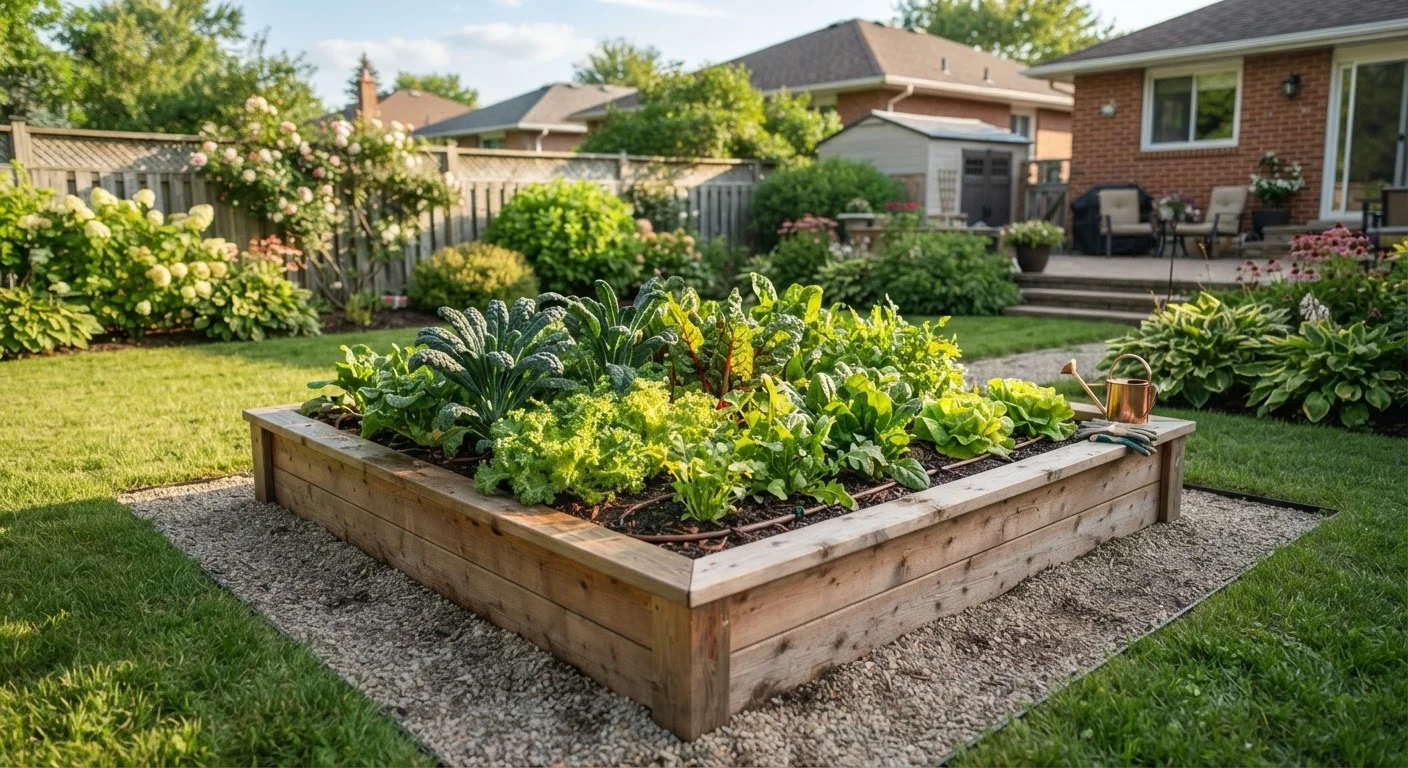
Photo: TrendingResults.net | Discover More, Trend More editorial
Key Takeaways
- Raised beds give you direct control over soil quality, drainage, and growing conditions.
- Initial material and soil costs are higher than in-ground planting.
- Raised beds dry out faster and typically require more frequent watering.
- They can significantly improve accessibility for gardeners with mobility limitations.
- Long-term productivity depends on consistent soil replenishment and pest management.
Full control over soil quality and composition
You choose exactly what goes into your bed, bypassing poor native soil entirely. This allows you to create ideal conditions for the specific plants you want to grow.
Improved drainage compared to in-ground planting
The elevated, loose-fill structure allows water to drain more freely, reducing the risk of root rot and waterlogging that commonly affects low-lying or clay-heavy yards.
Fewer weeds, especially in early seasons
Fresh soil fill contains far fewer weed seeds than cultivated native soil, and the physical border limits encroachment from surrounding lawn grass.
Better accessibility for gardeners with limited mobility
A bed built to an appropriate height can eliminate the need for kneeling or deep bending, making gardening more accessible for people with back pain or mobility challenges.
Soil warms faster in spring
Raised beds warm up earlier in the season than ground-level soil, often allowing planting to begin sooner - a meaningful advantage in shorter growing climates.
Higher upfront cost for materials and soil
Building materials and quality fill soil represent a genuine initial investment. A single 4×8-foot bed can cost $100 or considerably more depending on material choices and local soil prices.
Dries out faster, requiring more frequent watering
Raised beds lose moisture more quickly than in-ground soil, often requiring daily watering in warm weather. This increases both time commitment and water usage.
Soil nutrients deplete and must be replenished regularly
Because the system is self-contained, nutrients break down faster than in a connected soil ecosystem. Annual topping-up with compost or amendments is typically necessary.
Fixed placement once built and filled
Relocating a filled raised bed is a substantial task. Poor initial placement decisions - particularly around sun exposure - are difficult and disruptive to correct later.
Wood frames eventually rot or degrade
Even rot-resistant wood like cedar has a lifespan, typically 10 to 20 years depending on climate and wood type. Metal and composite options last longer but often cost more upfront.
What Raised Garden Beds Actually Are
A raised garden bed is a framed growing structure - typically built from wood, metal, or composite materials - that sits on or above the ground and is filled with a custom soil mix. Unlike in-ground planting, where you work with whatever soil your yard provides, a raised bed lets you define the entire growing environment from the start.
Heights range from a few inches to waist level, and sizes vary widely. Most home gardeners work with beds 3 to 4 feet wide (to allow reaching the center without stepping in) and anywhere from 4 to 12 inches deep, depending on what they plan to grow. Root vegetables typically need more depth than leafy greens or herbs.
This basic structure is simple, but the implications - for your time, budget, water use, and plant health - run deeper than they first appear. Before building, it's worth understanding both sides of the equation.
The Advantages of Raised Beds
Raised beds solve several of the most common frustrations that everyday gardeners encounter.
Full control over soil quality and composition
You choose exactly what goes into your bed, bypassing poor native soil entirely. This allows you to create ideal conditions for the specific plants you want to grow.
Improved drainage compared to in-ground planting
The elevated, loose-fill structure allows water to drain more freely, reducing the risk of root rot and waterlogging that commonly affects low-lying or clay-heavy yards.
Fewer weeds, especially in early seasons
Fresh soil fill contains far fewer weed seeds than cultivated native soil, and the physical border limits encroachment from surrounding lawn grass.
Better accessibility for gardeners with limited mobility
A bed built to an appropriate height can eliminate the need for kneeling or deep bending, making gardening more accessible for people with back pain or mobility challenges.
Soil warms faster in spring
Raised beds warm up earlier in the season than ground-level soil, often allowing planting to begin sooner - a meaningful advantage in shorter growing climates.
Soil quality is arguably the biggest factor in garden success, and raised beds put it entirely in your hands. You fill the bed with a balanced mix - often a combination of topsoil, compost, and other organic matter - rather than inheriting whatever exists beneath your lawn. This is especially valuable in areas with clay-heavy, sandy, or nutrient-depleted native soil.
Drainage is another practical win. Because the bed is elevated and filled with loose, well-structured soil, water moves through it efficiently. This prevents the waterlogged conditions that rot roots and encourage fungal disease - a persistent problem in low-lying yards or areas with heavy clay subsoil.
Weed pressure is generally lower, at least in the early seasons. A fresh soil fill contains far fewer weed seeds than cultivated in-ground soil, and the physical border of the bed helps contain encroachment from surrounding lawn grass. A landscape fabric barrier on the bed floor can reduce weed intrusion further. For guidance on complementing your beds with the right mulch layer, see our mulch type comparison.
For gardeners with limited mobility or chronic back pain, a raised bed at the right height can be transformative. A bed built to 24 to 36 inches tall allows gardening from a seated position or standing with minimal bending.
The Real Trade-Offs to Weigh
The benefits are real, but so are the limitations. Going in clear-eyed about these will help you decide whether raised beds are the right fit - and how to set them up for long-term success.
Higher upfront cost for materials and soil
Building materials and quality fill soil represent a genuine initial investment. A single 4×8-foot bed can cost $100 or considerably more depending on material choices and local soil prices.
Dries out faster, requiring more frequent watering
Raised beds lose moisture more quickly than in-ground soil, often requiring daily watering in warm weather. This increases both time commitment and water usage.
Soil nutrients deplete and must be replenished regularly
Because the system is self-contained, nutrients break down faster than in a connected soil ecosystem. Annual topping-up with compost or amendments is typically necessary.
Fixed placement once built and filled
Relocating a filled raised bed is a substantial task. Poor initial placement decisions - particularly around sun exposure - are difficult and disruptive to correct later.
Wood frames eventually rot or degrade
Even rot-resistant wood like cedar has a lifespan, typically 10 to 20 years depending on climate and wood type. Metal and composite options last longer but often cost more upfront.
Water management is perhaps the most persistent challenge. Raised beds dry out noticeably faster than in-ground soil, especially during warm months or in regions with low rainfall. Gardeners often find they need to water daily or every other day in summer. A drip or soaker system can help significantly - our irrigation guide covers the options in detail.
Soil also degrades over time. Because raised beds are self-contained systems, nutrients deplete faster than they would in a connected soil ecosystem. Topping off with compost each season is generally necessary. A home compost system can offset some of this ongoing cost.
Planning for Long-Term Success
Raised beds reward thoughtful planning more than most gardening approaches. A few considerations that often get overlooked:
- Material choice matters. Untreated lumber will eventually rot, though cedar and redwood are more naturally rot-resistant than pine. Galvanized metal beds tend to last longer but heat up more in direct sun. Composite or recycled-plastic options sit somewhere in between on both durability and cost.
- Location is fixed once built. Once a raised bed is placed and filled, moving it is a significant undertaking. Assess sun exposure carefully before building - most vegetables need at least six hours of direct sunlight daily.
- Soil volume adds up. A 4×8-foot bed at 12 inches deep requires approximately 32 cubic feet of fill. Calculating this in advance helps avoid under-purchasing or overspending.
Soil Temperature and Season Length
If you're thinking about raised beds as part of a broader yard redesign, low-maintenance yard design principles can help you integrate them into a layout that stays manageable season after season.
The content on this site is provided for informational purposes only and should not be considered a substitute for professional advice. While we strive to provide accurate and up-to-date information, we make no guarantees regarding its completeness or accuracy. Always consult a qualified professional for advice specific to your circumstances before making any decisions.