
Mulch Types and What Each One Does for Your Garden Beds

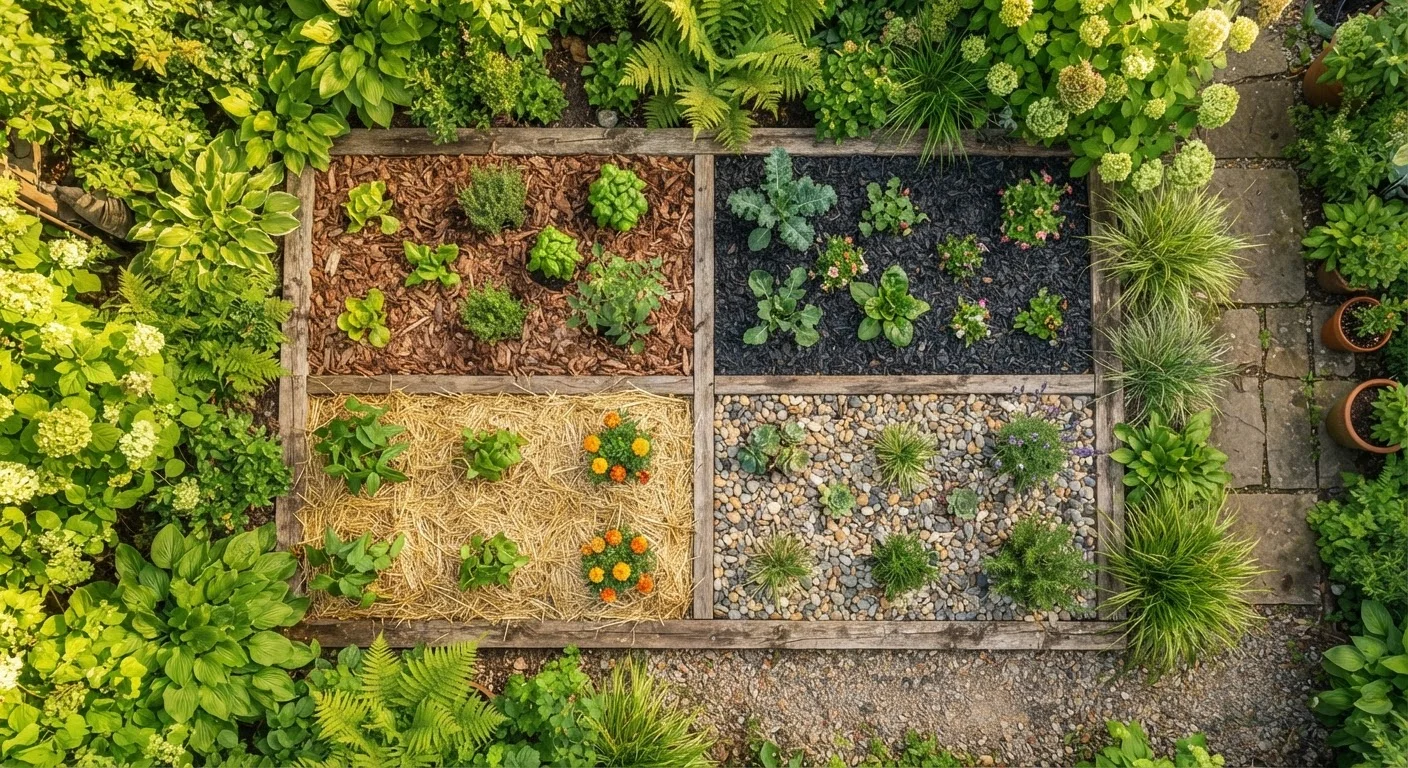
Photo: TrendingResults.net | Discover More, Trend More editorial
Key Takeaways
- Organic mulches like wood chips and straw decompose over time, gradually improving soil health.
- Inorganic mulches such as rubber and rock don't break down, reducing replenishment costs but offering no soil benefit.
- Mulch depth matters: too thin fails to suppress weeds; too thick can suffocate roots and invite rot.
- Certain mulch types suit specific plants - acidic mulches like pine needles benefit acid-loving shrubs.
- Pairing the right mulch with an efficient watering approach maximizes moisture retention in garden beds.
Why Mulch Type Matters More Than You Might Think
Mulch does several jobs at once: it limits weed germination, moderates soil temperature, reduces moisture evaporation, and - depending on the type - feeds the soil as it breaks down. The catch is that different materials accomplish these goals to very different degrees. Using the wrong mulch in the wrong spot can waterlog roots, raise soil pH unexpectedly, or simply fail to suppress weeds after one season.
Understanding what each type actually does gives you a practical framework for choosing, rather than just grabbing the cheapest bag at the hardware store. This matters especially in garden beds, where plant health is closely tied to soil conditions. If you're also thinking about how water reaches your plants, our guide on garden irrigation options covers how mulch and watering systems work together.
| Wood Chips / Bark | Straw | Pine Needles | Rubber Mulch | Gravel / Rock | |
|---|---|---|---|---|---|
| Soil improvement | High - adds organic matter | High - breaks down quickly | Moderate - acidifies slightly | None | None |
| Weed suppression | Good at 3-4 inches | Moderate | Good on slopes | Good | Moderate - gaps allow weeds |
| Moisture retention | High | High | Moderate | Moderate | Low |
| Longevity | 1-3 years depending on type | One season | 1-2 seasons | 5-10+ years | Nearly permanent |
| Best use case | Trees, shrubs, perennials | Vegetable beds | Acid-loving plants | Play areas, paths | Xeriscape, rock gardens |
| Cost over time | Moderate - needs topping off | Low upfront, frequent renewal | Low in pine regions | High upfront, low ongoing | High upfront, very low ongoing |
Organic Mulches: They Feed the Soil as They Work
Wood chips and bark nuggets are among the most widely used organic mulches. They decompose slowly, suppressing weeds well and insulating roots through temperature swings. As microbes break them down, they return organic matter to the soil. One note of caution: fresh, uncomposted wood chips can temporarily tie up soil nitrogen during decomposition, so keep them away from plant stems and avoid working them into the soil.
Shredded leaves are free, widely available in fall, and decompose quickly enough to provide visible soil improvement within a single season. They work particularly well in vegetable beds and around perennials. Run them through a mower or shredder first - whole leaves can mat together and block water penetration.
Straw (not hay, which contains weed seeds) is a go-to for vegetable gardens. It's light, easy to apply, and breaks down within a season, enriching the soil. It does need replenishment more often than wood-based mulches.
Pine needle mulch (also called pine straw) is slightly acidic, making it a good fit for blueberries, azaleas, camellias, and other acid-loving plants. It also knits together well on slopes, resisting washout. If you're experimenting with native plantings, native plants vs. ornamental exotics explores how mulch choices connect to plant selection.
Match Mulch Depth to Your Soil Type
Inorganic Mulches: Durability With Trade-Offs
Rubber mulch, typically made from recycled tires, doesn't decompose, so it won't need replenishing year after year. It excels at cushioning in play areas and retains color reasonably well. However, it offers no soil benefit, can heat up significantly in full sun (potentially stressing plant roots), and some research suggests it may leach compounds over time - making it a poor choice near edible plants.
Gravel, crushed rock, and pebbles are ideal for xeriscape gardens, rock gardens, and Mediterranean-style plantings that prefer drier conditions. They don't retain as much moisture as organic mulches, which is actually an advantage for drought-tolerant or succulent plants that dislike wet roots. They're also nearly permanent, though they can be tedious to remove if you change your planting scheme. Weeds can still establish in the gaps, so a landscape fabric underlayer is often used - though fabric has its own long-term drawbacks for soil health.
For gardeners building raised beds, mulch selection pairs closely with drainage planning. Our raised garden bed guide covers what to consider before you build.
Applying Mulch Correctly: Depth and Placement
Getting the application right is as important as choosing the correct type. A few general principles apply across most mulch materials:
- Depth: Aim for 2-4 inches for most organic mulches. Less than 2 inches rarely suppresses weeds effectively; more than 4 inches can prevent water penetration and reduce soil oxygen.
- Keep it away from stems and trunks: The so-called "mulch volcano" - piling mulch against tree trunks or plant stems - traps moisture against bark, inviting rot, fungal issues, and pest damage. Maintain a clear gap of a few inches around the base of any woody plant.
- Timing: Apply after soil has warmed in spring to avoid locking in cold; reapply or top off as organic mulches decompose through the season.
If you're thinking about your yard's overall health picture, it's worth noting that compacted soil and other subtle lawn stressors can undermine even the best mulching efforts over time.
The content on this site is provided for informational purposes only and should not be considered a substitute for professional advice. While we strive to provide accurate and up-to-date information, we make no guarantees regarding its completeness or accuracy. Always consult a qualified professional for advice specific to your circumstances before making any decisions.