
Native Plants vs. Ornamental Exotics in American Yards

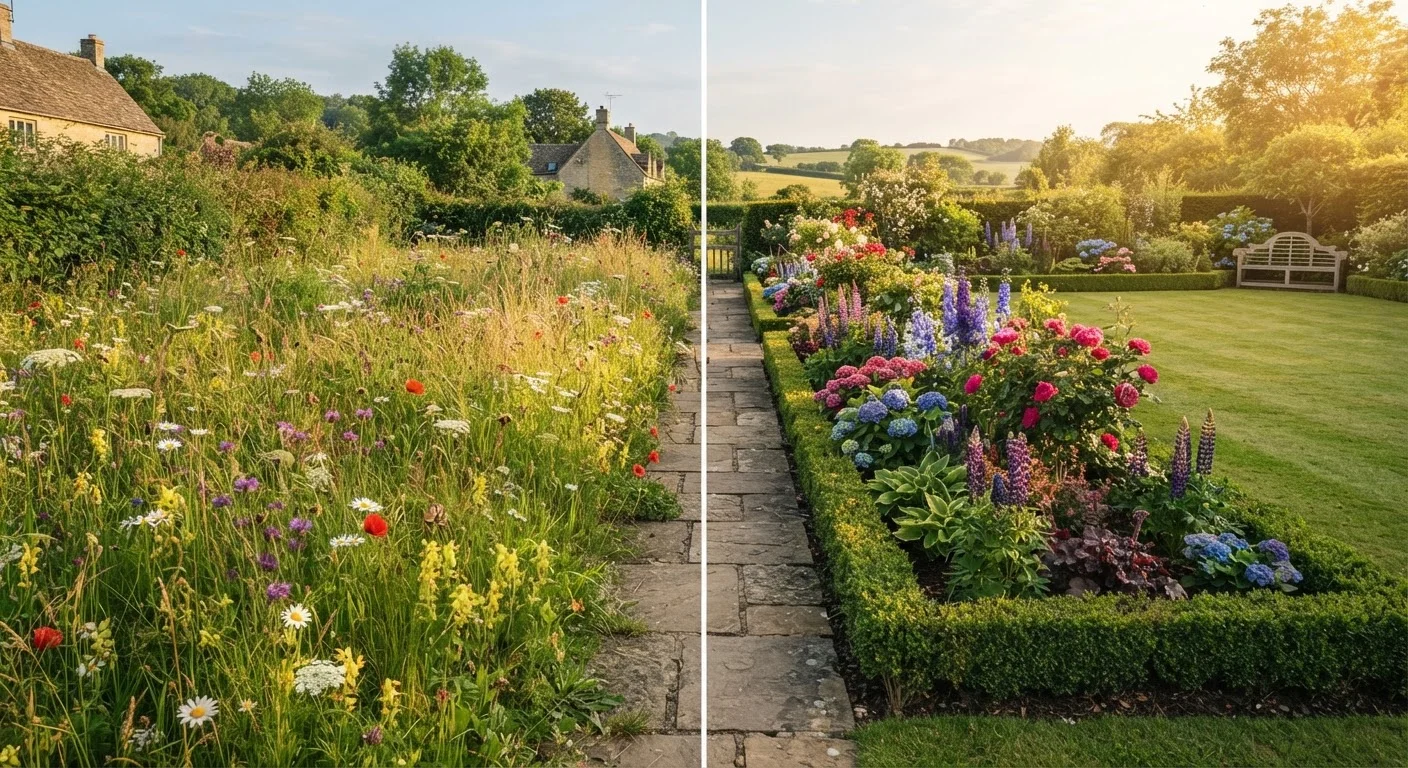
Photo: TrendingResults.net | Discover More, Trend More editorial
Key Takeaways
- Native plants are adapted to local soils and rainfall, typically requiring less water and fertilizer once established.
- Ornamental exotics can offer unique aesthetics but may need more inputs and monitoring to prevent invasive spread.
- Native plantings actively support local pollinators, birds, and beneficial insects in ways most exotics cannot.
- Many gardeners find a thoughtful mix of natives and non-invasive exotics delivers both beauty and ecological benefit.
- Local invasive species lists should always be checked before planting any non-native ornamental.
What Sets Native Plants Apart
A native plant is one that occurred naturally in a specific region before European settlement - not simply a plant that grows well there now. Because native species evolved alongside local soils, rainfall patterns, insects, and wildlife over thousands of years, they arrive with built-in advantages that imported ornamentals rarely match.
Once established - typically after one to two growing seasons - most natives require minimal supplemental watering because their root systems are calibrated to regional precipitation. They also tend to resist local pest and disease pressure without chemical intervention, since regional predators already help keep populations in check. This translates to real savings in time, water, and products over the life of a garden.
Beyond the practical, natives provide ecological services that exotics generally cannot replicate. Research by entomologist Doug Tallamy and others has demonstrated that many native insects - including the caterpillars that songbirds depend on to feed their young - can only complete their life cycles on specific native plant genera. A yard planted with regional natives functions as a small but meaningful piece of habitat. For gardeners interested in low-maintenance yard design, natives are frequently the cornerstone recommendation.
| Criterion | Native Plants | Ornamental Exotics |
|---|---|---|
| Water needs (established) | Low - adapted to local rainfall | Moderate to high - varies by origin |
| Fertilizer requirements | Minimal - suited to local soils | Often needed for sustained performance |
| Wildlife & pollinator value | High - supports local food webs | Low to moderate - limited host value |
| Design flexibility | Regional - limited palette in some areas | Very high - global range of forms and colors |
| Invasive risk | None - locally evolved species | Varies - requires verification before planting |
| Establishment time | 1-2 seasons of support needed | Varies widely by species |
| Long-term maintenance | Generally decreases over time | Often remains steady or increases |
The Case for Ornamental Exotics
Ornamental exotics - plants introduced from other countries or distant regions - have shaped American garden culture for centuries. Many beloved garden staples, from garden roses to Japanese maples, are non-natives. Their appeal is straightforward: the global plant trade offers color combinations, growth habits, bloom seasons, and textures that regional native palettes simply may not cover.
Exotics can fill genuine design gaps. If your shaded north-facing bed needs a reliable, deer-resistant groundcover and no native species suits the microclimate, a well-chosen non-invasive exotic may be the practical answer. Similarly, gardeners working with HOA guidelines or formal landscape designs often rely on exotic cultivars to meet visual standards.
The key distinction - and the one that most often gets overlooked - is whether a given exotic is invasive or simply non-native. The two are not the same. Many imported ornamentals grow politely without spreading beyond the garden bed. A much smaller subset aggressively outcompetes native vegetation, disrupts local ecosystems, and is regulated or banned in multiple states. Before planting any ornamental exotic, checking your state's invasive species list is an essential step, not an optional one.
~30%
Share of household water used outdoors
According to the US Environmental Protection Agency, outdoor irrigation accounts for roughly 30% of average household water use, with some arid-region landscapes far exceeding that figure.
~4,300
Invasive plant species tracked in the US
The USDA tracks thousands of non-native plant taxa with documented invasive impacts across American ecosystems, underscoring the importance of checking regional invasive lists before planting.
~96%
Songbird species that depend on insect prey
Research cited in ornithological literature indicates that nearly all North American songbird species rely on insects - many of which are host-specific to native plants - to feed nestlings.
Water demands also deserve attention. Many popular ornamentals originate from climates with different rainfall patterns, making supplemental irrigation a recurring need. Pairing them with efficient delivery systems - such as those covered in our garden irrigation comparison - can help manage that demand responsibly.
Maintenance, Water, and Soil Health Over Time
The maintenance gap between natives and exotics tends to widen after the first few years. Natives, once rooted, largely look after themselves - their deep root systems improve soil structure, support mycorrhizal networks, and reduce erosion without amendment. Exotics, particularly those from high-rainfall or nutrient-rich native environments, may require ongoing fertilization, more frequent division, or winter protection in climates they weren't designed for.
Water use is a related concern. The EPA estimates that outdoor water use accounts for as much as 30 percent of total household water consumption in the US, with irrigation-heavy landscapes pushing that figure higher in arid regions. Native plantings - once past establishment - dramatically reduce that draw. If you are building out new beds alongside native plantings, pairing them with the right mulch strategy (explored in our mulch types guide) extends soil moisture retention for both native and exotic species.
Neither approach is without trade-offs. A pure native landscape in an unfamiliar region to the gardener can require a learning curve - identifying regional species, sourcing local ecotypes rather than generic cultivars, and understanding seasonal die-back. And a well-curated exotic border, maintained with intention and kept free of invasive species, can be a responsible and beautiful choice. The most resilient gardens tend to blend both thoughtfully, using natives as the ecological backbone and carefully vetted exotics to fill design or functional gaps.
The content on this site is provided for informational purposes only and should not be considered a substitute for professional advice. While we strive to provide accurate and up-to-date information, we make no guarantees regarding its completeness or accuracy. Always consult a qualified professional for advice specific to your circumstances before making any decisions.