
Designing a Low-Maintenance Yard: Principles That Hold Up Over Time

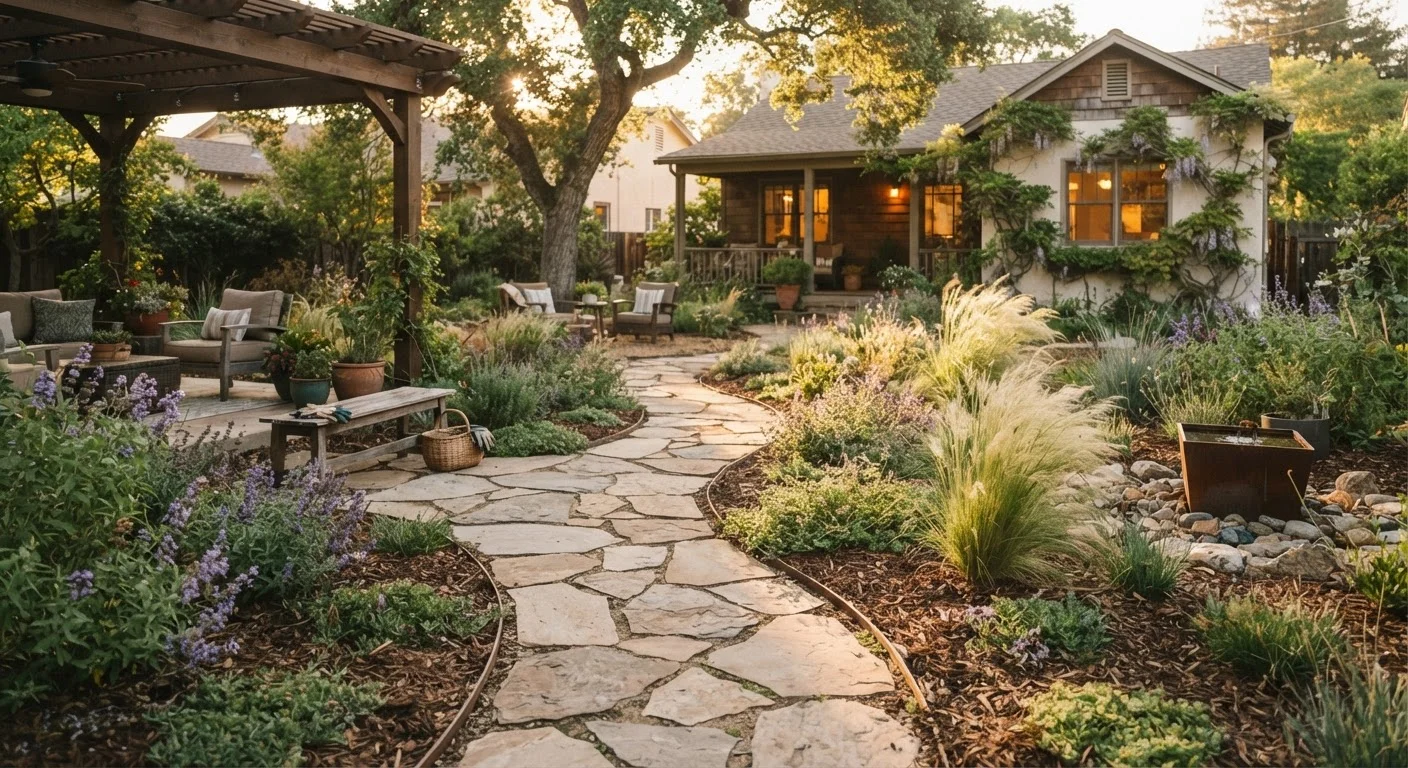
Photo: TrendingResults.net | Discover More, Trend More editorial
Key Takeaways
- Choosing plants matched to your local climate and soil is the single highest-leverage decision in yard design.
- Hardscaping, mulch, and groundcovers permanently reduce the lawn area you need to mow and water.
- Efficient irrigation systems like drip lines cut water use and the time you spend hand-watering.
- A well-planned yard front-loads effort so that seasonal upkeep becomes routine rather than remedial.
- Native plants generally require less fertilizer, water, and pest intervention than non-adapted ornamentals.
Design for the Site You Have, Not the Yard You Imagine
The most common low-maintenance mistake is designing a yard based on inspiration photos from different climates or soil types. A lush green lawn might look effortless in the Pacific Northwest but demands constant irrigation and amendment in the Southwest. Before selecting a single plant or hardscape material, audit what your site actually offers: sun exposure by zone, soil texture and drainage, annual rainfall patterns, and the microclimates created by structures or trees.
Work with your conditions rather than against them. Shady dry areas under large trees are notoriously difficult to establish grass in - groundcovers like liriope or pachysandra tend to perform with far less intervention. Similarly, low-lying areas that collect runoff are natural candidates for rain gardens planted with moisture-tolerant natives rather than a constant battle to keep turf from turning to mud.
This site-first thinking doesn't limit creativity - it focuses it. Once you understand your constraints, every subsequent decision (plant species, bed layout, paving choices) compounds toward a yard that sustains itself.
Reduce Lawn Area Strategically
Turf grass is typically the highest-maintenance element in any American yard: it needs regular mowing, edging, fertilizing, overseeding, and often irrigation. Reducing the total lawn area you maintain is the most direct route to reducing ongoing labor.
This doesn't mean eliminating lawn entirely - a functional lawn area for children, pets, or entertaining can be worth the upkeep. The goal is to shrink the unnecessary turf: the narrow strips along fences, the awkward slopes that are difficult to mow safely, and the shaded patches where grass performs poorly. Replace these with mulched planting beds, permeable pavers, gravel paths, or low-growing groundcovers. Even a 20-30% reduction in turf area can translate to meaningful time savings across a season. For a broader look at seasonal turf demands, see our month-by-month lawn care reference.
Choose Plants That Belong in Your Region
Plant selection is where low-maintenance yards either succeed or fail long-term. Plants that are well-adapted to your region's climate, soil, and rainfall patterns require dramatically less intervention - less supplemental watering, fewer pest treatments, and little to no soil amendment after establishment.
“The right plant in the right place is the foundation of sustainable gardening. When plants are well-matched to their environment, they thrive on their own terms rather than depending on constant human intervention.”
— Darrel Morrison, Landscape architect and author known for naturalistic planting design
Native plants are especially worth considering. They have evolved alongside local wildlife, weather patterns, and soil conditions over thousands of years, which generally translates to resilience and reduced inputs once established. Our article on native plants versus ornamental exotics walks through how to weigh these choices for your specific yard goals.
When selecting any plant, check its mature size carefully. Overcrowding is a leading cause of ongoing maintenance - plants installed too close together require frequent pruning to manage their growth and airflow. Give each plant the space it actually needs at maturity, and the bed largely manages itself.
Build Irrigation and Mulch Into the Design From the Start
Watering and weed management are the two tasks that consume the most recurring time in most yards. Addressing both at the design stage - rather than retrofitting later - pays dividends for years.
A well-chosen irrigation system removes the guesswork and manual labor from watering. Drip irrigation and soaker hoses deliver water directly to root zones, reducing evaporation and minimizing conditions that promote fungal disease. If you're comparing options, our guide on drip, sprinkler, and soaker systems covers the trade-offs clearly.
Mulch is equally impactful. A 2-3 inch layer of organic mulch applied to planting beds suppresses weeds by blocking light, retains soil moisture, and gradually improves soil structure as it breaks down. Budget for annual mulch replenishment - it remains one of the most cost-effective maintenance investments you can make. Pair this with a home composting system and you can produce some of your own soil amendments over time.
Front-Load Effort for Long-Term Ease
Low-maintenance yards are rarely low-effort to establish. The first one to two growing seasons typically involve more attention - watering new plantings through dry spells, pulling weeds before they seed, and adjusting the design as you observe what works. Think of this period as an investment rather than a sign the approach isn't working.
Establishment Takes Time - Plan Accordingly
Once established, a well-designed yard settles into a predictable seasonal rhythm. Spring prep becomes lighter because the design itself controls weeds and directs water appropriately. Use our spring yard prep checklist to stay organized during that critical early-season window each year.
Finally, be selective about complexity. Water features, annual flower beds, and formal topiary are beautiful - but each adds a maintenance obligation. For every high-maintenance element you consider, ask whether its visual contribution is worth the recurring time cost. The best low-maintenance yards make deliberate trade-offs that match the homeowner's actual availability and interest, not an idealized version of either.
The content on this site is provided for informational purposes only and should not be considered a substitute for professional advice. While we strive to provide accurate and up-to-date information, we make no guarantees regarding its completeness or accuracy. Always consult a qualified professional for advice specific to your circumstances before making any decisions.