
Zero-Based Budgeting vs. the Envelope Method: Two Approaches to Every Dollar

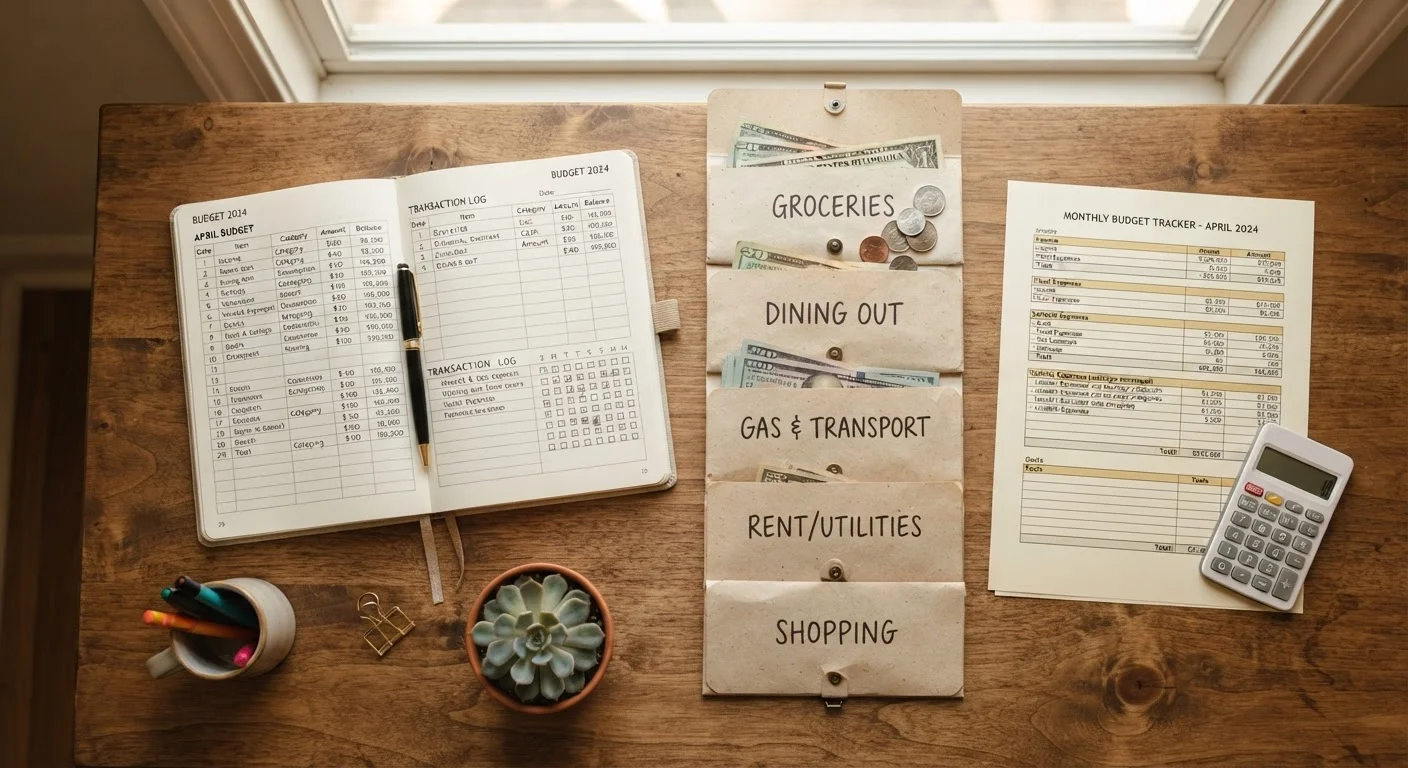
Photo: TrendingResults.net | Discover More, Trend More editorial
Key Takeaways
- Zero-based budgeting assigns every dollar of income a specific job, leaving a balance of zero at month's end.
- The envelope method uses physical or virtual cash envelopes to cap spending in each category.
- Both methods require intentional planning but differ in format, flexibility, and best use cases.
- Zero-based budgeting suits detail-oriented planners; the envelope method works well for overspenders on variable costs.
- Hybrid approaches - combining elements of both - are used successfully by many households.
What These Two Methods Actually Are
Before comparing them, it helps to understand what each method does - and doesn't - do. If you're new to budgeting vocabulary, the budgeting terms guide is a useful starting point.
Zero-Based Budgeting (ZBB)
Zero-based budgeting starts from scratch each month. You list your total expected income, then assign every dollar to a category - rent, groceries, savings, debt payments, entertainment - until the math reaches zero. Income minus expenses equals zero. That doesn't mean spending everything; savings and investments are treated as intentional expense categories, not afterthoughts.
The Envelope Method
The envelope method is older and simpler. You divide cash into labeled envelopes, one per spending category. When an envelope is empty, spending in that category stops until the next budget period. Many people now use digital versions - virtual envelopes within budgeting apps - that mirror the same logic without physical cash.
How They Compare Across Key Criteria
The two methods share a core philosophy - that unassigned money tends to disappear - but they differ significantly in structure and practical demands.
| Zero-Based Budgeting | Envelope Method | |
|---|---|---|
| Core mechanic | Assign every dollar a category until balance is zero | Allocate cash into labeled spending envelopes |
| Best for | Comprehensive financial planning | Controlling variable, discretionary spending |
| Time commitment | Higher - requires monthly rebuild and tracking | Lower - simple to set up and maintain |
| Flexibility | Highly flexible across all expense types | Most natural for cash-based, variable costs |
| Behavioral reinforcement | Relies on discipline and regular review | Tactile limits create natural spending brakes |
| Works with irregular income | Yes - rebuild from actual income each month | Can be difficult to rescale quickly |
| Digital tool support | Strong - many apps designed for ZBB | Available via virtual envelope apps |
Zero-based budgeting covers all financial categories, including bills, savings, and irregular expenses. The envelope method is most naturally applied to variable, discretionary spending like food and entertainment, though it can be extended to fixed costs too.
Strengths and Limitations of Each Approach
Zero-Based Budgeting
Strengths: It creates a complete financial picture. Every income dollar is accounted for - fixed bills, irregular expenses, debt payoff, and savings goals all live side by side. This makes it particularly useful for households managing multiple priorities or irregular income.
Limitations: It requires consistent tracking and monthly recalibration. If your income or expenses shift mid-month, the whole budget may need revision. It can feel time-intensive for people who prefer a lighter system.
The Envelope Method
Strengths: The physical act of paying with cash - or watching a virtual envelope balance drop - creates a psychological brake on impulse spending. Research in behavioral economics suggests that spending cash feels more tangible than swiping a card, which can reduce overspending.
Limitations: It works best for variable, discretionary spending and can be awkward for bills paid online or automatically. Managing physical cash also carries security and logistical challenges. Digital envelope apps address some of this, but introduce complexity for those seeking simplicity.
Try a Hybrid Approach First
Choosing the Right Fit - or Combining Both
Your budgeting method should match how you actually manage money, not how you wish you did. If you're just starting out, the first household budget guide walks through foundational steps that apply to either method.
Consider zero-based budgeting if you want full visibility across your finances, have variable income, or are actively working toward specific savings milestones. Consider the envelope method if you consistently overspend in a handful of categories - groceries, dining out, shopping - and want a straightforward boundary-setting tool.
Many households use a hybrid: zero-based budgeting for the overall monthly plan, and envelopes (physical or digital) for two or three high-risk discretionary categories. This combines top-level structure with targeted behavioral control. For guidance on which tools best support either approach, see the budgeting tools comparison.
Both methods are part of a broader financial management framework covered in the complete household budgeting guide.
This article is for general informational and educational purposes only and does not constitute personalized financial advice. Consult a qualified financial professional for guidance specific to your situation.
The content on this site is provided for informational purposes only and should not be considered a substitute for professional advice. While we strive to provide accurate and up-to-date information, we make no guarantees regarding its completeness or accuracy. Always consult a qualified professional for advice specific to your circumstances before making any decisions.