
Furnished vs. Unfurnished Rentals: What the Trade-Offs Actually Look Like

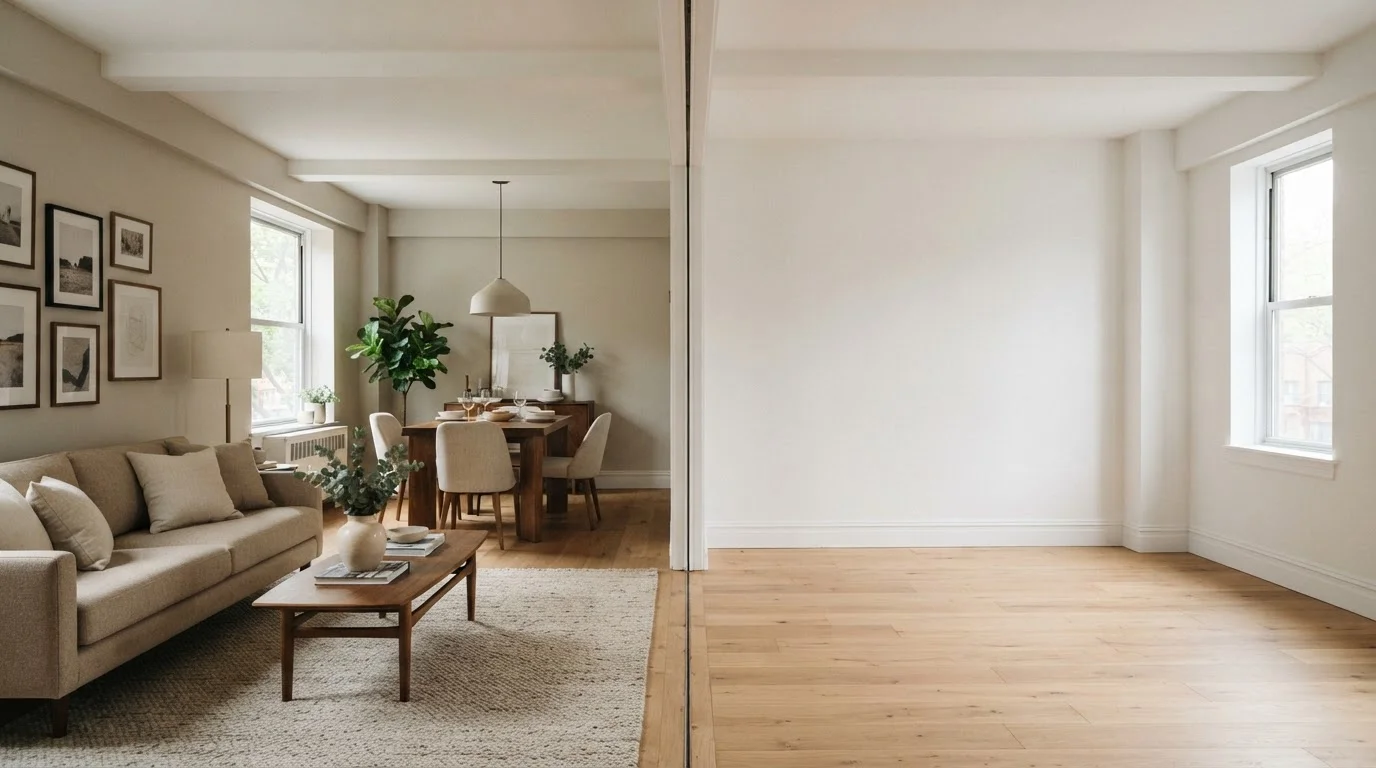
Photo: TrendingResults.net | Discover More, Trend More editorial
Key Takeaways
- Furnished rentals typically command 10-30% higher monthly rent than comparable unfurnished units.
- Unfurnished rentals generally offer longer lease terms and more stable tenancies.
- Security deposits for furnished units are often higher to account for included furniture and appliances.
- Your length of stay and how much furniture you already own are the two biggest deciding factors.
- Lease language around furniture condition and liability differs significantly between furnished and unfurnished agreements.
Move-in ready with no furniture shopping required
Furnished units eliminate the time and expense of sourcing, purchasing, and assembling furniture - a significant advantage for anyone on a tight timeline or relocating from out of state.
Lower upfront cost for renters without existing furniture
For tenants who own little or no furniture, the furnished premium may be offset by avoiding thousands of dollars in furniture purchases and delivery fees.
Easier and cheaper to vacate at end of lease
Moving out of a furnished unit means moving only personal belongings, which substantially reduces truck rental costs, labor, and logistical complexity.
Unfurnished units typically carry lower monthly rent
Renters in unfurnished units who already own furniture avoid the 10-30% premium, translating to meaningful savings over a 12-month lease.
More freedom to personalize the living space
Without a landlord's furniture defining the layout, tenants can configure and decorate to their own taste and functional needs - a meaningful quality-of-life factor for longer stays.
No liability for pre-existing furniture condition
Unfurnished tenants aren't responsible for wear, damage, or depreciation on items they didn't choose - a liability exposure that furnished renters must manage carefully.
Furnished units command a significant rent premium
The monthly cost premium - often 10-30% above comparable unfurnished units - adds up quickly over a lease term and erodes the convenience advantage for longer stays.
Furnished leases carry higher security deposit requirements
Landlords commonly require a larger deposit to cover furniture-related damage, increasing the upfront cash a renter must have available at signing.
Limited control over furniture style and quality
Furnished units come with whatever the landlord has chosen; renters may find the furniture dated, low quality, or poorly suited to their layout preferences.
Unfurnished rentals require substantial setup investment
Renters without existing furniture face real startup costs - furniture purchases, delivery fees, and assembly time - that can rival several months of rent premium in some markets.
Moving out of an unfurnished unit is significantly more complex
Vacating with a full household of furniture requires moving trucks, labor, and planning that add cost and stress, particularly for renters relocating to another city.
What 'Furnished' Actually Means - and What It Doesn't
The term furnished rental has no standardized legal definition in the United States. In practice, it can mean anything from a fully outfitted apartment with linens and cookware to a unit that has only a bed frame and a couch. Before signing a furnished lease, request a written inventory - a documented list of every item included and its condition at move-in - and make sure that inventory is attached to the lease itself.
At minimum, most furnished rentals include major furniture pieces: a bed, dresser, sofa, dining table, and chairs. Many also include basic appliances beyond the standard refrigerator and stove, such as a microwave or washer-dryer. Fewer include kitchen tools, bedding, or televisions, though short-term or corporate rentals often go further. An unfurnished rental, by contrast, typically delivers only the fixed appliances and bare walls - you supply everything else.
Understanding this distinction matters because it shapes your deposit exposure, your moving logistics, and what the landlord can legitimately charge you for at move-out. Part of navigating this well means understanding your lease agreement thoroughly - see our overview of how renting and leasing differ for the legal context.
The Financial Reality: Rent Premiums and Deposit Differences
Furnished units consistently command a rent premium. Industry estimates generally place that premium between 10% and 30% above comparable unfurnished units in the same market, though the spread varies widely by city, neighborhood, and what the furnishings include. In high-demand urban markets, the premium can be steeper.
10-30%
Typical furnished unit rent premium
Industry estimates consistently place furnished rentals at a 10-30% monthly premium above comparable unfurnished units, with variance by market and amenity level.
2x
Common security deposit multiplier for furnished units
Many furnished rental landlords require a deposit equivalent to two months' rent rather than one, reflecting the additional property risk of included furniture and appliances.
Security deposits are another area where furnished rentals diverge. Many landlords charge a higher deposit - sometimes equivalent to two months' rent rather than one - to cover potential damage to furniture and appliances not present in an unfurnished unit. That additional upfront cost can strain a moving budget, especially when combined with first and last month's rent.
On the other side of the ledger, renters choosing unfurnished units who don't already own furniture face their own startup costs: purchasing or renting furniture, arranging delivery, and potentially paying for storage during a transition. For someone relocating across the country, those costs can rival or exceed a few months of rent premium on a furnished unit. Running an honest comparison of your own situation - factoring in moving costs, furniture acquisition, and length of stay - is the only way to know which option is genuinely cheaper for you.
Pros and Cons at a Glance
Furnished and unfurnished rentals each carry advantages worth weighing carefully against your specific circumstances.
Move-in ready with no furniture shopping required
Furnished units eliminate the time and expense of sourcing, purchasing, and assembling furniture - a significant advantage for anyone on a tight timeline or relocating from out of state.
Lower upfront cost for renters without existing furniture
For tenants who own little or no furniture, the furnished premium may be offset by avoiding thousands of dollars in furniture purchases and delivery fees.
Easier and cheaper to vacate at end of lease
Moving out of a furnished unit means moving only personal belongings, which substantially reduces truck rental costs, labor, and logistical complexity.
Unfurnished units typically carry lower monthly rent
Renters in unfurnished units who already own furniture avoid the 10-30% premium, translating to meaningful savings over a 12-month lease.
More freedom to personalize the living space
Without a landlord's furniture defining the layout, tenants can configure and decorate to their own taste and functional needs - a meaningful quality-of-life factor for longer stays.
No liability for pre-existing furniture condition
Unfurnished tenants aren't responsible for wear, damage, or depreciation on items they didn't choose - a liability exposure that furnished renters must manage carefully.
Furnished units command a significant rent premium
The monthly cost premium - often 10-30% above comparable unfurnished units - adds up quickly over a lease term and erodes the convenience advantage for longer stays.
Furnished leases carry higher security deposit requirements
Landlords commonly require a larger deposit to cover furniture-related damage, increasing the upfront cash a renter must have available at signing.
Limited control over furniture style and quality
Furnished units come with whatever the landlord has chosen; renters may find the furniture dated, low quality, or poorly suited to their layout preferences.
Unfurnished rentals require substantial setup investment
Renters without existing furniture face real startup costs - furniture purchases, delivery fees, and assembly time - that can rival several months of rent premium in some markets.
Moving out of an unfurnished unit is significantly more complex
Vacating with a full household of furniture requires moving trucks, labor, and planning that add cost and stress, particularly for renters relocating to another city.
For renters considering a short-stay arrangement, it's worth noting that furnished units often come paired with month-to-month or short fixed-term leases. Our comparison of month-to-month vs. fixed-term leases walks through how each arrangement affects your flexibility and financial exposure.
Lease Terms: What to Read Before You Sign
Furnished lease agreements require closer reading than their unfurnished counterparts. Key areas to scrutinize include:
- Furniture liability clauses: Most furnished leases hold tenants responsible for damage beyond normal wear and tear. Understand exactly how "normal wear" is defined - and whether the existing furniture's age and condition are documented.
- Replacement provisions: Some leases allow landlords to replace furniture unilaterally and charge tenants for depreciation. Others require landlord approval before any item is removed or swapped out.
- Early termination terms: Furnished units tied to short-term leases sometimes carry steeper early termination fees or more complex subletting restrictions. Review what leases typically say about subletting if you think you may need to hand off the unit mid-term.
Document Furniture Condition Before Moving In
Unfurnished leases are typically simpler on the furnishings front, but still require careful review of standard clauses around alterations, painting, and fixtures. Both lease types are part of the broader rental process - the start-to-finish rental market overview covers what to expect at each stage from search to move-out.
The content on this site is provided for informational purposes only and should not be considered a substitute for professional advice. While we strive to provide accurate and up-to-date information, we make no guarantees regarding its completeness or accuracy. Always consult a qualified professional for advice specific to your circumstances before making any decisions.