
How Wireless Contracts and Device Installment Plans Are Structured

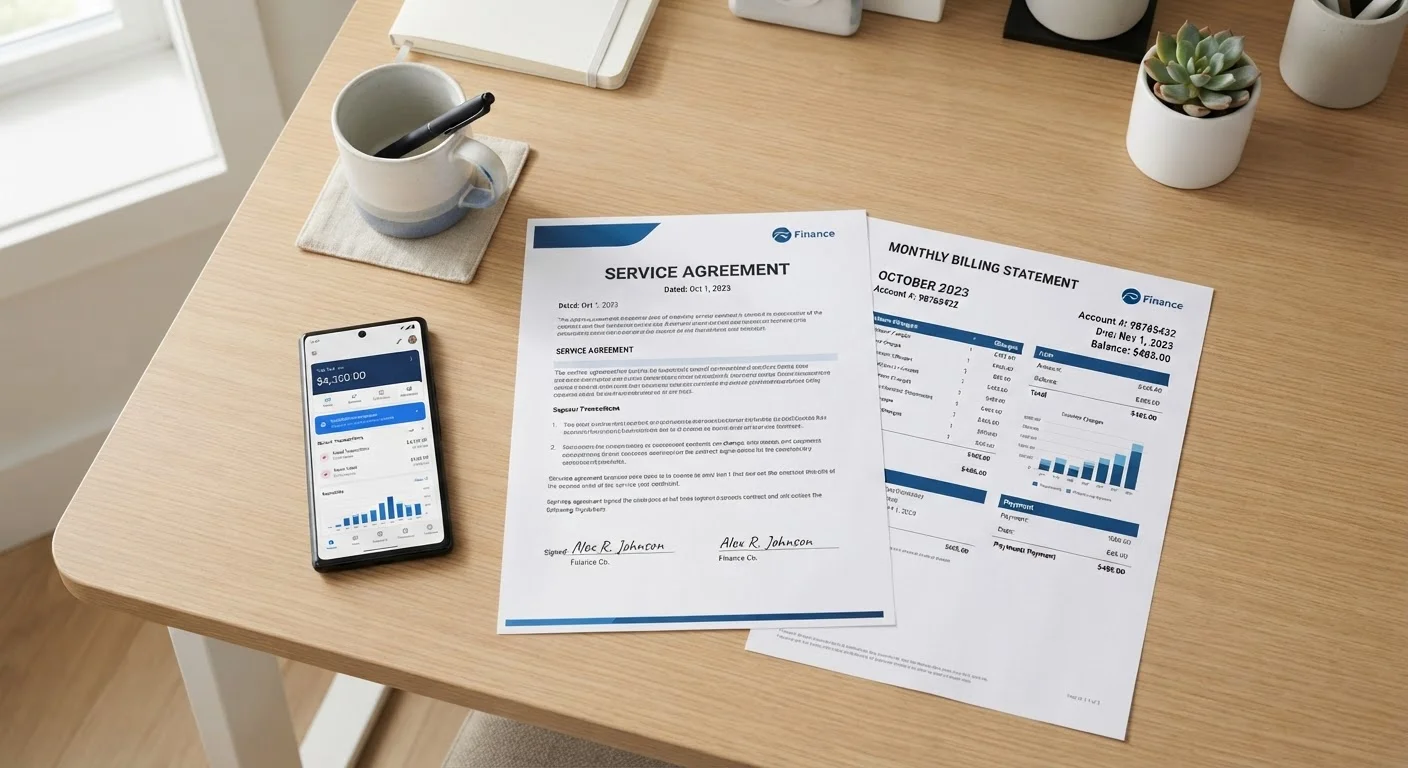
Photo: TrendingResults.net | Discover More, Trend More editorial
Key Takeaways
- Traditional two-year service contracts have largely been replaced by device installment plans at major U.S. carriers.
- An installment plan splits a phone's retail price into monthly payments, often interest-free, spread over 24-36 months.
- Leaving a carrier before your installment balance is paid means you typically owe the remaining amount immediately.
- Promotional trade-in credits are often tied to staying on a specific plan for the full installment term.
- An unlocked phone purchased outright gives you the most flexibility to switch carriers without financial penalty.
- Reading both the service agreement and the device financing agreement separately is essential before signing.
The Shift Away from Traditional Contracts
For most of the 2000s, getting a new smartphone meant signing a two-year service contract with a carrier. In exchange for a heavily subsidized device price - often $199 for a flagship phone - you committed to staying with that carrier for 24 months, with early termination fees (ETFs) if you left early. ETFs could run $300 or more, depending on how far into the contract you were.
Starting around 2015, major U.S. carriers began eliminating these contracts. The shift wasn't purely consumer-friendly: instead of burying the device subsidy in a fixed-term contract, carriers moved to installment plans that make the full device cost visible while still keeping customers financially tethered. The mechanism changed; the commitment largely didn't.
For a broader look at what this means when you're shopping, see our phone plan shopping checklist before you commit to any carrier.
How Installment Plans Actually Work
A device installment plan divides a phone's full retail price - which can exceed $1,000 for current flagship models - into equal monthly payments, typically over 24 or 36 months. Many carriers advertise these as 0% APR financing, meaning no interest is charged if payments are made on time. The device payment appears as a line item on your monthly bill, separate from your service plan charge.
The key distinction: you are signing two separate agreements. One is your wireless service agreement, which is typically month-to-month. The other is a device financing agreement, which runs for the full installment term. Canceling your service doesn't automatically cancel the financing - the remaining device balance becomes due.
36 months
Common maximum installment plan length at major U.S. carriers
Longer terms reduce monthly payment amounts but extend the period during which switching carriers triggers a payoff obligation.
$1,000+
Typical retail price of current flagship smartphones
Full retail pricing - the amount financed in an installment plan - is often significantly higher than the subsidized prices consumers were accustomed to under traditional two-year contracts.
2
Separate agreements typically signed when financing a carrier device
A service agreement and a device financing agreement are legally distinct documents, each with its own cancellation terms and conditions.
Some carriers also offer lease structures rather than true installment plans. With a lease, monthly payments are lower because you don't gain ownership - at the end of the term, you return the device, upgrade to a new one, or pay a lump sum to keep it. Understanding which structure you're entering matters for long-term cost calculations.
The trade-offs of buying a phone through your carrier go beyond just the monthly payment figure.
Promotional Credits and the Strings Attached
Carriers frequently advertise significant trade-in credits or promotional discounts - sometimes framed as getting a new phone for free or at a steep discount. These offers are almost always structured as monthly bill credits applied over the full installment term, not as an upfront reduction in price.
This structure has a practical consequence: if you leave the carrier or downgrade to an ineligible plan before the installment term ends, the remaining credits typically stop. You may still owe the remaining device balance, but lose the credits meant to offset it. Reading the promotion's fine print - specifically which service plan tiers qualify and what happens if you change plans - is essential before accepting any offer.
Calculate Total Cost, Not Just Monthly Payment
For a structured approach to evaluating these trade-offs across carriers, our practical framework for evaluating wireless plans can help you compare total cost rather than just monthly payment.
Device Locks, Payoff, and Your Options
Phones purchased through a carrier on an installment plan are typically sold locked - meaning they're programmed to function only on that carrier's network. Most U.S. carriers are required by policy to unlock devices once the installment balance is paid in full and the account is in good standing. Until that point, switching networks with that device is not straightforward.
If you want to switch carriers before the balance is paid, your options generally include: paying off the remaining balance out of pocket, accepting a payoff offer from a new carrier (which often comes with its own installment commitment), or trading in the device. Each path has different cost implications worth calculating before you act.
Consumers who purchase an unlocked phone outright - at full retail price from a manufacturer or retailer - retain full flexibility to move between carriers without financial penalty. This approach has a higher upfront cost but no financing obligation. For a comparison of how this plays out with alternative carriers, see our overview of how MVNOs work and use carrier networks, which often accommodate unlocked devices easily.
If you're planning to switch carriers and need to understand what's involved step by step, our guide on switching wireless carriers covers the full process, including unlocking and number porting.
Frequently Asked Questions
The content on this site is provided for informational purposes only and should not be considered a substitute for professional advice. While we strive to provide accurate and up-to-date information, we make no guarantees regarding its completeness or accuracy. Always consult a qualified professional for advice specific to your circumstances before making any decisions.