
The Trade-Offs Nobody Mentions When You Buy a Phone Through Your Carrier

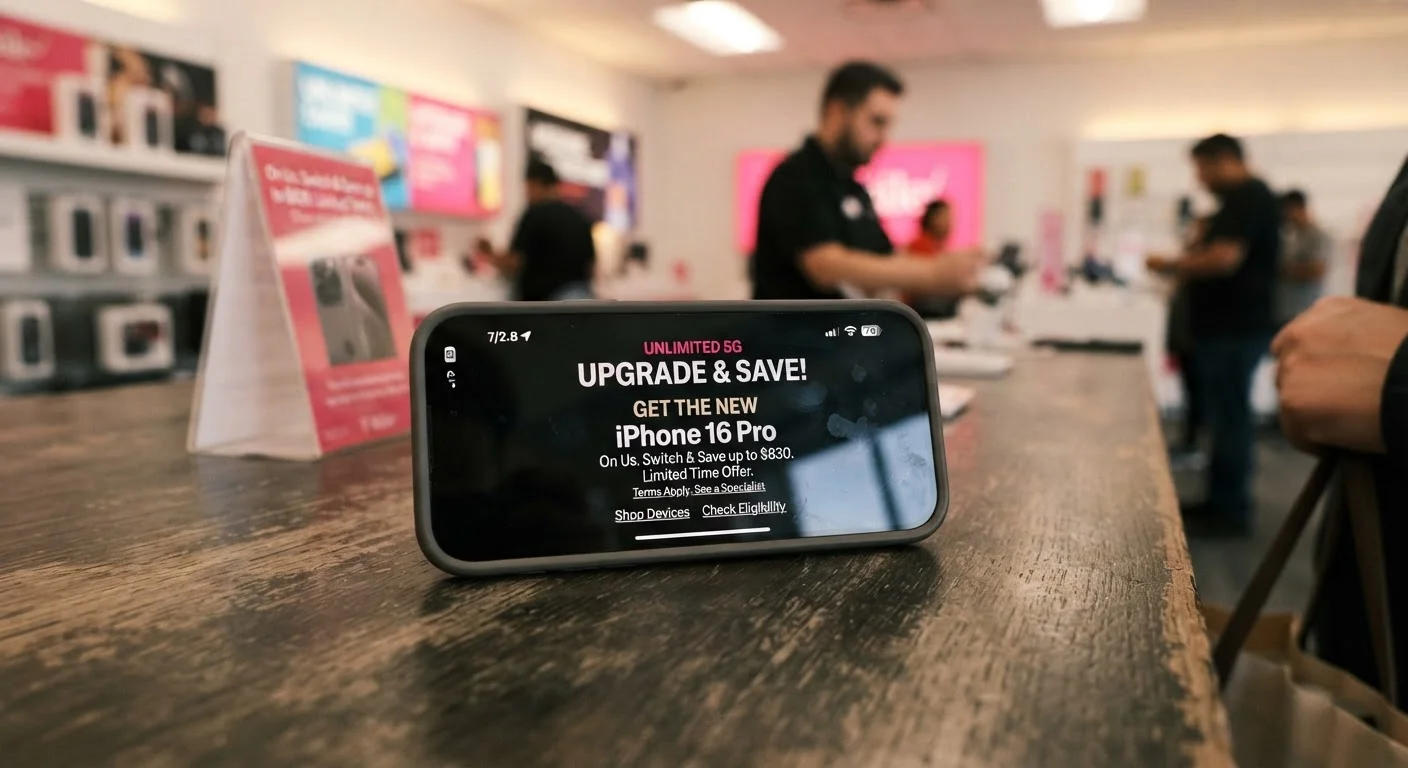
Photo: TrendingResults.net | Discover More, Trend More editorial
Key Takeaways
- Carrier installment plans can lock you into a specific network for 24-36 months.
- Promotional trade-in credits often require you to stay on a qualifying plan for the full term.
- Carrier-sold phones may ship with pre-installed apps and software you cannot remove.
- Unlocking your phone to switch carriers is possible, but timing and eligibility rules vary.
- Buying directly from a manufacturer often preserves more flexibility than buying through a carrier.
Spreads device cost across manageable monthly payments
Installment plans let you acquire a high-cost device without a large upfront payment, which can be genuinely useful for budget management - as long as you account for the total cost over the term.
Promotional credits can reduce effective device cost
Trade-in promotions can offset a significant portion of a device's retail price, provided you meet eligibility requirements and remain on a qualifying plan for the full credit disbursement period.
Single-stop setup for device and service
Activating service and financing a device in one transaction reduces friction, and carrier staff can handle the initial configuration, number transfer, and account setup simultaneously.
Device compatibility is guaranteed on that network
A phone purchased through a carrier is certified to work on that carrier's specific frequency bands and network technology, removing any guesswork about compatibility.
Lock-in periods can extend 24-36 months
Installment plans effectively tether you to the carrier for as long as the device balance is outstanding. Leaving early means settling the remaining balance, which can negate any promotional savings.
Promotional credits stop if you change plans or leave
Bill credits are contingent on staying on a specific qualifying plan. Downgrading your plan or switching carriers before the term ends forfeits remaining credits while the device balance continues.
Pre-installed carrier software limits your control
Carrier-branded apps and bloatware often cannot be fully uninstalled and may run in the background, consuming storage and processing resources on the device you're paying for.
Network lock restricts use with other carriers and SIMs
Until the unlock eligibility criteria are met - typically completing the installment plan - the phone cannot be used on a competing network or with an international SIM card while traveling.
Trade-in valuations are set by the carrier
Carriers control the trade-in value they assign to your device, and those figures may be lower than what independent resellers or manufacturer programs would offer for the same phone.
Why Carrier Phone Deals Look So Attractive
Walk into any carrier store or visit their website and you'll see headlines promising hundreds of dollars off a flagship phone - sometimes the full retail price - when you trade in an older device and sign up for a qualifying plan. The pitch is straightforward: get a premium phone at a fraction of the cost, pay nothing upfront, and roll the rest into your monthly bill.
What that framing leaves out is equally straightforward once you know where to look. The discount isn't a gift - it's a structured financial arrangement with specific conditions attached. Installment plans can lock you in just as firmly as the old two-year contracts, even though the marketing rarely uses the word "contract" anymore.
Understanding what you're actually agreeing to - before you hand over your trade-in - is the whole game.
Spreads device cost across manageable monthly payments
Installment plans let you acquire a high-cost device without a large upfront payment, which can be genuinely useful for budget management - as long as you account for the total cost over the term.
Promotional credits can reduce effective device cost
Trade-in promotions can offset a significant portion of a device's retail price, provided you meet eligibility requirements and remain on a qualifying plan for the full credit disbursement period.
Single-stop setup for device and service
Activating service and financing a device in one transaction reduces friction, and carrier staff can handle the initial configuration, number transfer, and account setup simultaneously.
Device compatibility is guaranteed on that network
A phone purchased through a carrier is certified to work on that carrier's specific frequency bands and network technology, removing any guesswork about compatibility.
The Real Costs Hidden in the Fine Print
Promotional credits are typically disbursed as monthly bill credits spread over 24 to 36 months - not as an immediate reduction. If you leave the carrier or switch to a lower-tier plan before the term ends, the remaining credits stop. You still owe the outstanding device balance in full. That dynamic is worth mapping out on paper before you commit.
24-36
Typical installment plan length in months
Most major U.S. carriers structure promotional device financing over 24 to 36 monthly payments, tying credit disbursement to plan tenure.
~60%
U.S. phones purchased through carrier channels
Industry estimates have consistently placed the majority of U.S. smartphone sales through carrier retail and carrier-affiliated channels rather than direct manufacturer or third-party stores.
Trade-in values are another area where expectations often diverge from reality. Carriers set their own trade-in valuations, which may differ substantially from what a third-party reseller or manufacturer exchange program would offer. Once you accept a trade-in as part of a promotion, that transaction is generally final.
Carrier marketing language rarely means exactly what you think - and the same is true of promotional offer terms. Reading the eligibility requirements, the required plan tier, and the credit disbursement schedule is not optional reading if you want to avoid surprises.
Lock-in periods can extend 24-36 months
Installment plans effectively tether you to the carrier for as long as the device balance is outstanding. Leaving early means settling the remaining balance, which can negate any promotional savings.
Promotional credits stop if you change plans or leave
Bill credits are contingent on staying on a specific qualifying plan. Downgrading your plan or switching carriers before the term ends forfeits remaining credits while the device balance continues.
Pre-installed carrier software limits your control
Carrier-branded apps and bloatware often cannot be fully uninstalled and may run in the background, consuming storage and processing resources on the device you're paying for.
Network lock restricts use with other carriers and SIMs
Until the unlock eligibility criteria are met - typically completing the installment plan - the phone cannot be used on a competing network or with an international SIM card while traveling.
Trade-in valuations are set by the carrier
Carriers control the trade-in value they assign to your device, and those figures may be lower than what independent resellers or manufacturer programs would offer for the same phone.
Software, Locking, and What You Can Control
Carrier-sold phones frequently ship with pre-installed applications - sometimes called bloatware - added by the carrier. Some of these apps can be disabled but not fully uninstalled, and they may consume storage and background resources regardless. Manufacturer-unlocked phones bought directly from the maker typically arrive with a cleaner software load.
Network locking is a related concern. A carrier-locked phone will only work on that carrier's network. Federal rules in the U.S. require carriers to unlock devices upon request once eligibility criteria are met - usually completing the installment plan and meeting account standing requirements - but the timing varies by carrier. If you're planning to travel internationally and use a local SIM, or if you want to switch wireless carriers before the plan term ends, a locked phone creates real friction.
After setup, it's worth reviewing the privacy settings most people overlook on a new smartphone, particularly on a carrier-purchased device where pre-installed apps may have broad default permissions.
Unlock Eligibility Varies by Carrier
When Buying Through a Carrier Makes Sense - and When It Doesn't
For readers who are confident they'll stay with a carrier for the long haul and who genuinely need to spread the cost of a high-end device over monthly payments, carrier financing can be a rational choice. The monthly payment structure is predictable, and promotional credits - if you meet all the conditions - do reduce the effective cost.
For readers who value flexibility - switching carriers for better pricing, traveling internationally with local SIMs, or selling the device before the plan term ends - buying an unlocked device directly from the manufacturer often preserves more options. MVNOs, which run on the same major networks at lower plan prices, typically require an unlocked phone, so carrier-purchased locked devices limit that path as well.
The decision parallels other financed purchases in ways worth acknowledging. Dealer financing is convenient, but convenience has a price - the same logic applies to financing through your carrier versus buying independently. Convenience is real; so is the cost of reduced flexibility. Knowing which matters more to you is the starting point for making a choice you won't regret two years in.
The content on this site is provided for informational purposes only and should not be considered a substitute for professional advice. While we strive to provide accurate and up-to-date information, we make no guarantees regarding its completeness or accuracy. Always consult a qualified professional for advice specific to your circumstances before making any decisions.