
Wireless Plan Glossary: Terms Every Phone Plan Shopper Should Recognize

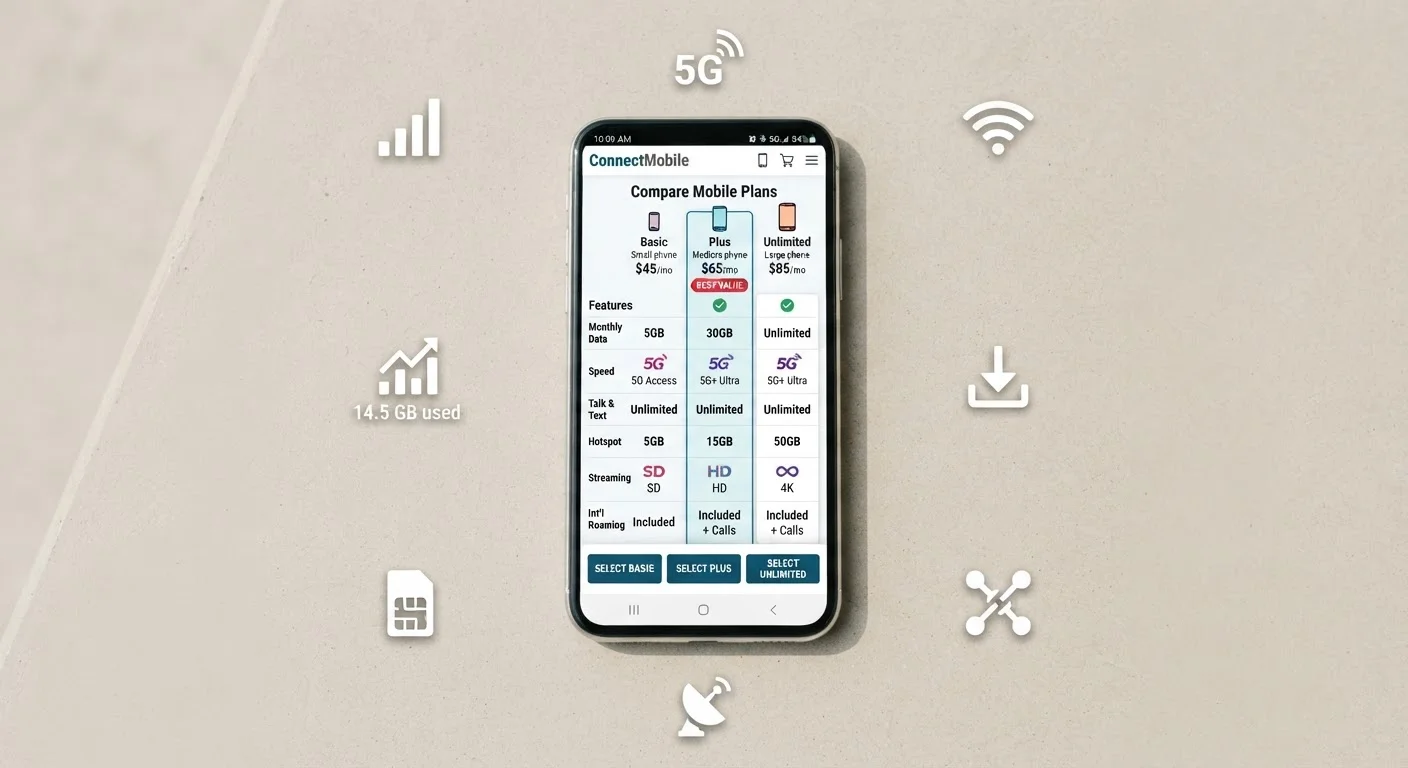
Photo: TrendingResults.net | Discover More, Trend More editorial
Why Wireless Terminology Matters at the Point of Purchase
Wireless plan marketing is engineered to sound simple - words like "unlimited," "5G," and "premium" appear everywhere. But each term has a technical or contractual meaning that often differs from what a plain reading would suggest. Misunderstanding these terms can mean paying more than necessary, losing speeds when you need them most, or being surprised by fees that were always disclosed - just in language you didn't recognize.
This glossary gives you the vocabulary to read a plan's fine print accurately. Before signing up for a new plan, it's worth pairing this reference with a structured evaluation approach - see our phone plan shopping checklist for a full framework. For a deeper look at how carrier language can mislead, carrier marketing language rarely means what you think.
Deprioritization
A network management practice where carriers temporarily slow your data speeds during periods of network congestion, affecting customers who have exceeded a defined usage threshold before others on the network. It is not a permanent speed cap - speeds typically recover when congestion clears.
Mobile Hotspot Data
A separate data allotment that governs how much of your plan's data you can share from your phone to other devices (laptops, tablets) via Wi-Fi tethering. Plans often provide hotspot data at full speed up to a limit, then throttle it significantly.
eSIM
An embedded SIM that is built into a device rather than being a removable physical card. It allows users to activate a carrier plan digitally without inserting a chip, and many devices support multiple eSIM profiles simultaneously.
MVNO
Mobile Virtual Network Operator - a wireless provider that does not own its own cell towers but leases network access from a major carrier. MVNOs often offer lower prices but may be deprioritized below the host carrier's own customers during congestion.
Throttling
The deliberate reduction of data transfer speeds by a carrier, either after a set data threshold is reached or as a permanent cap on a lower-tier plan. Throttled speeds are typically sufficient for basic browsing but inadequate for video streaming.
Network Slicing
A 5G technology that allows a carrier to create multiple virtual networks on the same physical infrastructure, each optimized for a specific use case such as low-latency gaming or reliable IoT connectivity. Consumer relevance is still emerging.
Data Cap
The maximum amount of high-speed data available in a billing cycle before speeds are reduced. Once the cap is hit, most plans throttle rather than cut off service entirely.
Carrier Unlock
The process by which a carrier removes software restrictions that limit a device to working only on that carrier's network. Unlocked phones can be used with any compatible carrier's SIM or eSIM.
Wi-Fi Calling
A feature that routes voice calls and texts through a Wi-Fi connection rather than a cellular signal. Useful in areas with poor cell reception but strong broadband access.
LTE
Long-Term Evolution - the 4G wireless standard that preceded 5G and remains the backbone of most U.S. mobile networks. LTE provides reliable speeds for streaming, browsing, and video calls across a broad geographic footprint.
Roaming
Using another carrier's network when outside your home carrier's coverage area. Domestic roaming is often included in plans, but international roaming can incur significant per-day or per-MB charges unless a travel add-on is purchased.
AutoPay Discount
A monthly price reduction offered when you enroll in automatic payment from a bank account or debit card. Carriers often advertise plan prices that already assume this discount, so the actual price may be higher if you pay manually.
Speed, Data, and Network Terms You'll Encounter
Data-related terms are where most consumer confusion occurs. Deprioritization is frequently buried in plan disclosures - it means your speeds may slow during congested periods after exceeding a data threshold, even on an "unlimited" plan. Throttling, by contrast, can be a permanent condition: some lower-tier plans always cap speeds, regardless of congestion.
Hotspot data is commonly misunderstood. Your plan may offer 50 GB of high-speed data for on-device use, but only 15 GB at full speed for tethering other devices - and the remainder throttled to a fraction of normal speed. Check the specific hotspot allotment, not just the headline data number.
Network slicing is a newer 5G concept worth knowing, though its direct consumer applications are still being developed. It allows carriers to partition their infrastructure for specific services. For a broader explanation of how network generations affect your daily experience, see how 5G, LTE, and Wi-Fi calling work.
| Common deprioritization threshold | Usually 50-100 GB of data usage per month (Varies by carrier and plan tier) |
| Typical throttled hotspot speed | 600 Kbps (kilobits per second) (Common floor speed cited in carrier plan disclosures) |
| eSIM support | Available on most flagship smartphones since 2018 (Manufacturer device spec pages) |
| MVNO network access | Leased from major carriers (no owned towers) (FCC Mobile Wireless Competition reports) |
| Wi-Fi Calling standard | Uses VoLTE / VoWi-Fi protocols (GSM Association technical documentation) |
Plan Structure and Device Terms Worth Knowing
MVNOs are an important category for budget-conscious shoppers. Because they lease network access rather than owning towers, they can offer lower prices - but their customers are often the first to be deprioritized during congestion by the host carrier. Understanding your provider's network relationship helps set accurate expectations.
eSIM technology is reshaping how people switch carriers. Because activation is digital, you can add or change a carrier plan without visiting a store or waiting for a physical SIM card. Many modern phones support dual SIM configurations - one physical, one eSIM - which can be useful for travel or maintaining separate personal and work lines.
Carrier unlocking determines whether your device is portable. A locked phone only works on its original carrier's network. Carriers are generally required to unlock devices once financing or contract terms are met, though timing and eligibility rules vary. Device installment plans can tie your upgrade timeline in ways that aren't always obvious upfront.
Advertised Prices Often Assume AutoPay
When comparing plans across carriers or MVNOs, the practical framework for evaluating wireless plans can help you weigh coverage, cost, and long-term flexibility side by side.
The content on this site is provided for informational purposes only and should not be considered a substitute for professional advice. While we strive to provide accurate and up-to-date information, we make no guarantees regarding its completeness or accuracy. Always consult a qualified professional for advice specific to your circumstances before making any decisions.