
Smartphone Specs Decoded: What the Numbers on the Box Actually Mean

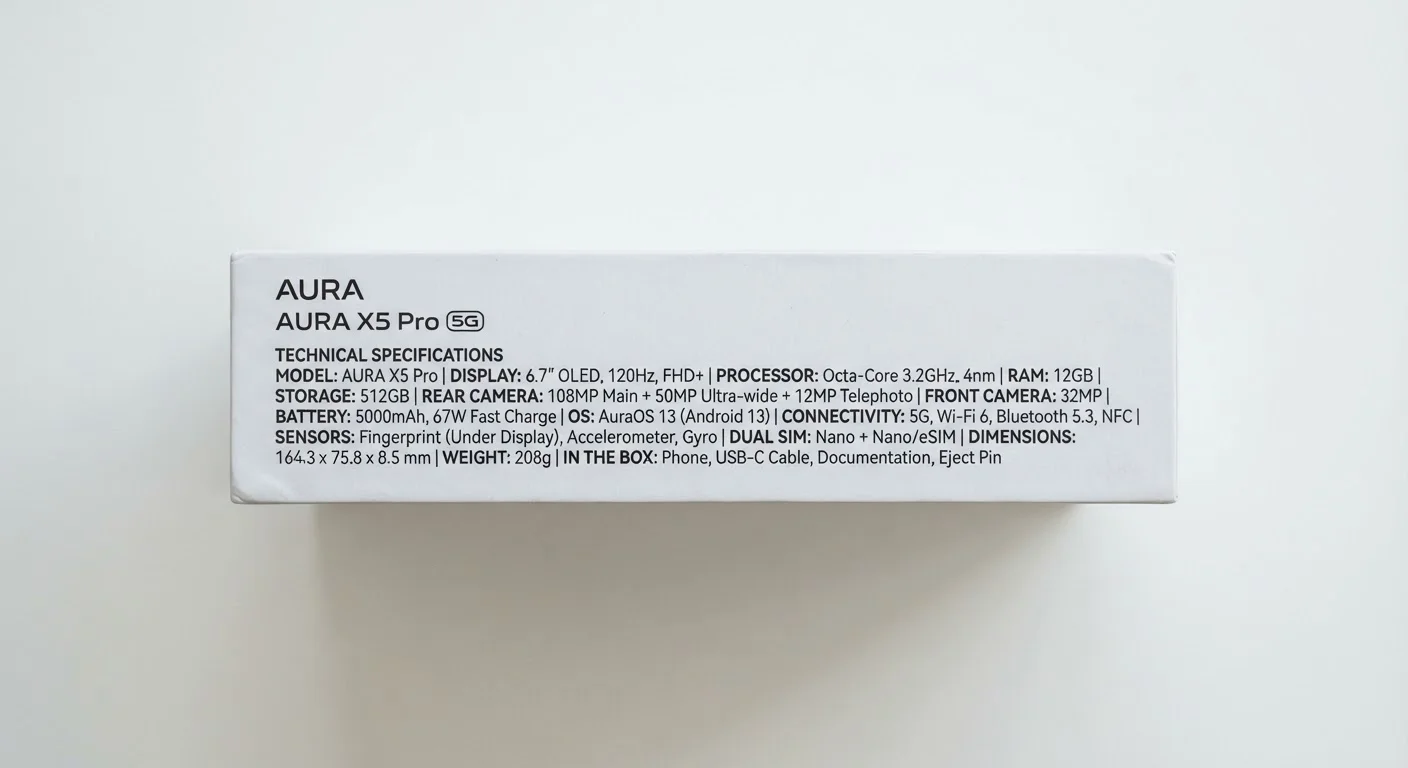
Photo: TrendingResults.net | Discover More, Trend More editorial
Processor and RAM: The Engine Under the Hood
The processor - more accurately called the SoC (System on a Chip) - determines how quickly your phone handles tasks, how efficiently it uses battery, and how well it will age. Clock speed (measured in GHz) describes how fast individual processor cores operate, but it's only one variable. Core count, core architecture, and manufacturing process (measured in nanometers - smaller is generally more efficient) all shape real-world performance. A phone with a newer-generation chip at a lower GHz rating will often outperform an older chip running faster.
RAM is your phone's multitasking memory. It holds apps in an active state so they reopen instantly rather than reloading from scratch. For everyday use - browsing, social media, messaging - 6 GB is a reasonable floor today. Heavy multitaskers or mobile gamers may notice tangible differences with 8-12 GB. Beyond 12 GB, gains become marginal for most users.
See also: how your phone's modem affects connectivity, since the modem is part of the same SoC package.
Storage, Display, and Battery Numbers Explained
Internal storage (128 GB, 256 GB, etc.) is where your photos, apps, and files live permanently. Running low on storage can slow a phone down as the system struggles to find space for temporary files. Most users find 128 GB sufficient; frequent video shooters or people who avoid cloud services typically benefit from 256 GB or more.
Screen brightness is measured in nits. Indoors, 400-600 nits is comfortable. Outdoor readability in direct sunlight generally requires 1,000 nits or more. For a deeper look at resolution and panel technology, see our plain-language guide to display specs.
Battery capacity in mAh tells you how much energy a battery stores - but capacity alone doesn't predict battery life. A 5,000 mAh phone with a power-hungry processor and always-on high refresh rate screen may drain faster than a 4,500 mAh phone with an efficient chip and adaptive display. Treat mAh as a rough comparison tool, not a runtime guarantee.
IP ratings follow a two-digit format. The first digit (0-6) rates dust resistance; the second (0-8) rates water resistance. IP68 - the most common flagship rating - means dust-tight and rated for submersion beyond 1 meter under controlled lab conditions. Note that lab conditions may not reflect real-world accidents, and ratings don't cover saltwater or high-pressure water.
For camera specs - megapixels, aperture, and sensor size - the full breakdown is in our guide to what actually shapes camera quality.
The content on this site is provided for informational purposes only and should not be considered a substitute for professional advice. While we strive to provide accurate and up-to-date information, we make no guarantees regarding its completeness or accuracy. Always consult a qualified professional for advice specific to your circumstances before making any decisions.