
Smartwatch Capabilities Across Different Life Situations

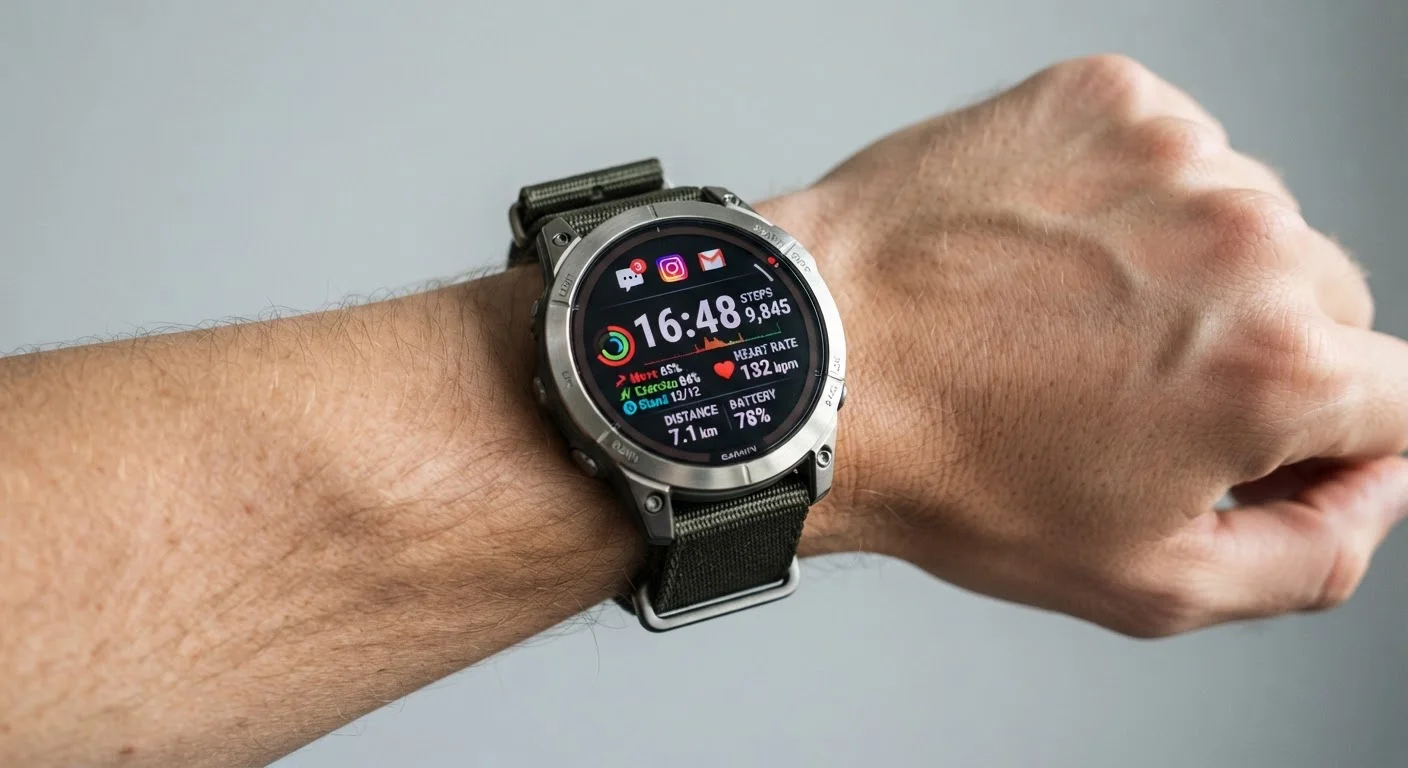
Photo: TrendingResults.net | Discover More, Trend More editorial
Key Takeaways
- Smartwatch usefulness varies significantly depending on your daily context - fitness, work, or everyday errands.
- Health and fitness tracking features are generally most reliable for general trends rather than clinical precision.
- Notification management and contactless payments can add real convenience, but carry privacy tradeoffs worth understanding.
- Battery life remains one of the most practical factors to evaluate before purchasing any smartwatch.
What Smartwatches Actually Do Well
Smartwatches have matured considerably from glorified notification screens. Today's devices combine heart rate monitoring, GPS tracking, sleep analysis, contactless payments, and voice assistant access - often in a package lighter than a traditional watch. But the key question isn't what a smartwatch can do in a lab. It's what it reliably delivers in your specific day-to-day life.
Understanding the gap between marketed capabilities and real-world performance is especially important before spending $200 to $500 or more. Features like blood oxygen monitoring or ECG readings, for example, are designed to detect general trends - not to replace medical-grade equipment. Always interpret health data from wearables as directional rather than diagnostic.
For device security considerations that apply to any connected wearable, see practical device security habits.
| Everyday Use | Fitness & Athletics | Workplace | |
|---|---|---|---|
| Notification management | High utility | Low priority | Very high utility |
| GPS tracking | Rarely needed | Core feature | Occasionally useful |
| Health sensor accuracy | Trend-level only | Adequate for training | Not typically relevant |
| Contactless payments | Convenient | Situational | Useful for quick errands |
| Battery demand | Moderate | High (GPS active) | Moderate |
| Sleep tracking value | High if worn overnight | High for recovery data | Low |
Fitness and Athletic Contexts
For active users, smartwatches offer genuine value - particularly for tracking workout duration, estimated calorie burn, step counts, and GPS-mapped routes. Heart rate zones during exercise are generally accurate enough to support training awareness, though individual variation means the numbers should be treated as useful estimates rather than precise measurements.
Dedicated GPS performance varies by hardware. Smartwatches with standalone GPS (no phone required) are more practical for outdoor runs or hikes. Those relying on a tethered connection to a smartphone introduce a dependency that limits freedom of movement. Waterproofing ratings also matter here - look for at least 50-meter water resistance if swimming is part of your routine.
Sleep tracking is another area where consistent use yields more meaningful data. Single-night readings are less informative than patterns observed over weeks. If integrating physical activity tracking into a packed schedule is already a challenge, strategies for fitting movement into a busy day may provide useful context.
Calibrate Expectations for Health Sensors
Workplace and Notification Management
In professional settings, smartwatches shine as attention management tools - but only when configured deliberately. Receiving a meeting reminder or a critical message without pulling out your phone can reduce distraction, especially in meetings. The tradeoff is that poorly filtered notifications create the opposite effect, turning your wrist into a source of constant interruption.
Most platforms allow notification rules by app and contact priority. Taking time to configure these settings before relying on a smartwatch at work pays dividends quickly. Calendar integration is another practical strength - at-a-glance schedule awareness is one of the highest-utility use cases for office environments.
Contactless payment via NFC (Near Field Communication) is available on many smartwatches and works at most card-terminal-equipped retailers. It's a minor but real convenience for quick transactions without reaching for a wallet or phone. On the privacy side, linking financial accounts to a wearable warrants the same caution you'd apply to any connected device. Reviewing privacy settings on connected devices is a reasonable step after initial setup.
Battery Life: The Deciding Factor Most Buyers Underestimate
Battery life is where smartwatch compromises become most visible. Devices with large, always-on displays and continuous GPS logging may require nightly charging - which conflicts directly with sleep tracking. Devices optimized for longevity may offer several days per charge but sacrifice screen quality or feature depth.
There's no universally ideal battery configuration. A traveler who can't charge nightly needs a different device than someone with a charging dock at their desk. When evaluating battery claims, look for independent reviews under real use conditions rather than manufacturer maximums, which typically reflect minimal feature use.
1-2 days
Typical battery life with always-on display and GPS
Independent wearable reviews consistently find real-world battery life falls well below manufacturer maximums under typical feature loads.
~7 days
Battery life for longevity-optimized devices
Smartwatches that prioritize battery life generally limit always-on display, GPS frequency, and continuous heart rate sampling.
Choosing the right device ultimately comes down to honest prioritization - much like other technology decisions. For a comparable framework, choosing between a tablet and laptop illustrates how matching a device's strengths to actual use patterns produces better outcomes than chasing specs.
The content on this site is provided for informational purposes only and should not be considered a substitute for professional advice. While we strive to provide accurate and up-to-date information, we make no guarantees regarding its completeness or accuracy. Always consult a qualified professional for advice specific to your circumstances before making any decisions.