
Before You Drive Into a National Park: Timed Entry Permits, Fees, and Reservation Systems Explained

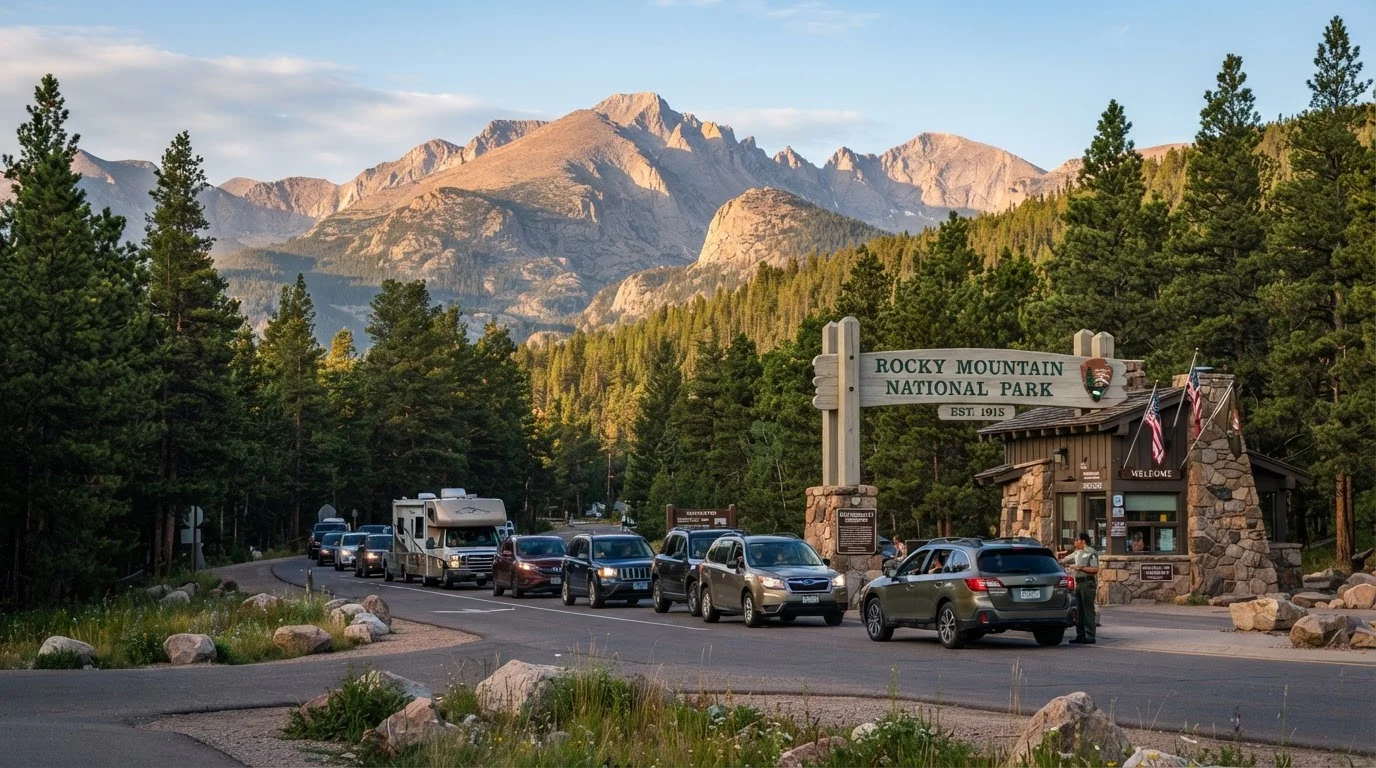
Photo: TrendingResults.net | Discover More, Trend More editorial
Key Takeaways
- Dozens of US national parks use timed entry systems, reservation requirements, or vehicle quotas, especially during peak season.
- A standard America the Beautiful annual pass covers entrance fees but does NOT guarantee or replace a timed entry reservation.
- Reservation availability, fees, and windows vary significantly by park - always verify directly with the official park or Recreation.gov.
- Some parks require permits only on weekends or holidays; others enforce them daily during summer months.
- Turning up without a required reservation can mean being turned away, even after a long drive.
- Booking windows typically open days to months in advance, so early planning is essential for popular destinations.
Why So Many Parks Now Require Reservations
National park visitation has surged dramatically over the past decade, with several parks regularly recording over 10 million visits per year. The infrastructure - roads, restrooms, trailheads, parking areas - simply wasn't built for those numbers. The result: gridlocked entrance roads, overflowing parking lots, and visitor experiences that fall far short of what most people picture.
Timed entry permits emerged as the most practical management tool. By capping how many vehicles enter during a given window, parks can keep traffic moving, protect sensitive ecosystems, and spread visitation across the day more evenly. Parks like Yosemite, Zion, Rocky Mountain, and Acadia have all used some form of timed entry or reservation system in recent years, and the practice is widely expected to continue expanding.
If you're planning a visit to canyon country, the permit systems across Utah and Arizona deserve particular attention - the region has some of the most complex reservation requirements in the country.
325M+
Annual US national park visits recorded
The National Park Service regularly reports total recreation visits across all sites; visitation has grown substantially since the early 2010s.
~30
Parks using timed entry or reservation systems
The number of parks implementing some form of timed entry or advance vehicle reservation has grown steadily, particularly following peak visitation years.
$35
Typical per-vehicle entrance fee at major parks
Standard entrance fees at high-visitation parks like Yellowstone, Yosemite, and Grand Canyon are set by the National Park Service and separate from reservation booking fees.
How Timed Entry Systems Actually Work
Most timed entry systems divide the day into blocks - commonly two- to four-hour arrival windows. You reserve a specific window and must arrive within it. Miss your window, and your reservation may no longer be valid, though some parks offer limited flexibility. The system is enforced at the entrance station by rangers scanning QR codes or checking confirmation numbers.
Key variables differ from park to park:
- When reservations open: Some parks release reservations months in advance on a rolling basis (e.g., a new day of availability drops each morning). Others release all spots for a season on a single date, causing frantic competition.
- What the reservation covers: Some systems cover the entire park; others apply only to specific corridors, trailheads, or scenic drives.
- Fee structure: The booking fee on Recreation.gov is typically a few dollars per reservation and is non-refundable. The entrance fee (or your annual pass) is separate.
- Seasonal vs. year-round enforcement: Many parks only activate timed entry during peak season - often late May through Labor Day - and revert to standard entry the rest of the year.
Always treat any information you find on travel blogs or social media as a starting point only. Requirements change season to season. The authoritative source is always the individual park's page on nps.gov or Recreation.gov.
Set a Calendar Alert for Reservation Drop Dates
Other Permit Types You May Encounter
Timed entry reservations for driving into a park are just one layer of the permit landscape. Depending on where you're headed, you may also encounter:
- Wilderness / Backcountry Permits
- Required for overnight camping in the backcountry at most major parks. These are often subject to their own quota systems and may require lottery entry for peak dates.
- Trail-Specific Permits
- Some iconic hikes - Angels Landing in Zion, the Enchantments in Washington, Half Dome cables in Yosemite - require separate permits even if you already have park access. Demand for these frequently exceeds supply by hundreds to one.
- Campground Reservations
- Front-country campgrounds at popular parks fill months in advance on Recreation.gov. A campground reservation does not automatically include a park entry reservation or vice versa.
If you're weighing alternatives to the most crowded destinations, lesser-known national parks often have far simpler access requirements and equally stunning scenery.
Practical Steps Before You Book Your Trip
Getting turned away at a park entrance after a long drive is a genuinely frustrating experience - and entirely avoidable with a bit of advance research. Here's a practical framework:
- Identify the park's current entry requirements by visiting its official NPS page. Look specifically for a "Fees & Passes" or "Reservations" section, and check whether requirements are seasonal.
- Note the reservation release schedule. Mark your calendar for when spots open. For highly competitive parks, being online the moment reservations drop can make the difference.
- Understand what your pass covers. An annual pass handles entrance fees but not booking fees or separate permits. Budget accordingly.
- Book campgrounds separately and confirm whether your campground reservation includes park entry or requires an additional timed entry reservation.
- Have a backup plan. Consider adjacent national forests, state parks, or understanding what access to a specific park actually involves before committing to a fixed itinerary.
- Verify requirements close to your trip date. Systems change. A park that didn't require reservations last summer may require them this year.
Frequently Asked Questions
The content on this site is provided for informational purposes only and should not be considered a substitute for professional advice. While we strive to provide accurate and up-to-date information, we make no guarantees regarding its completeness or accuracy. Always consult a qualified professional for advice specific to your circumstances before making any decisions.