
Lawn Aeration: What It Does, When It Helps, and When It Doesn't

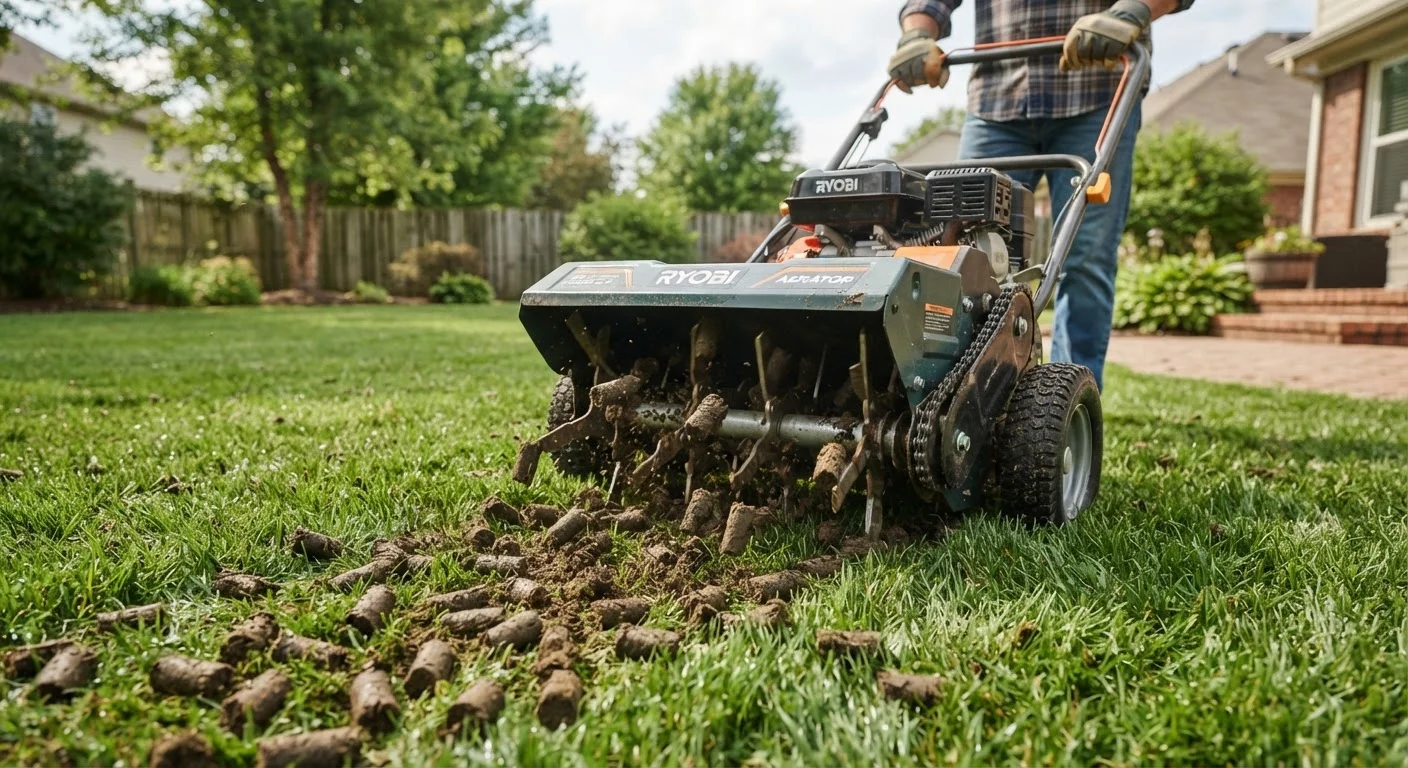
Photo: TrendingResults.net | Discover More, Trend More editorial
Key Takeaways
- Core aeration removes soil plugs to relieve compaction - spike aeration is less effective and can worsen compaction.
- Lawns with heavy clay soil, high foot traffic, or thick thatch benefit most from regular aeration.
- Timing matters: cool-season grasses should be aerated in fall, warm-season grasses in late spring.
- Sandy or loose soils rarely need aeration; aerating unnecessarily provides little benefit.
- Leave soil cores on the lawn - they break down naturally and return nutrients to the turf.
- Pair aeration with overseeding and fertilizing for the strongest results.
What Aeration Actually Does to Your Soil
Soil compaction is the quiet enemy of a healthy lawn. When soil particles are pressed tightly together - by foot traffic, heavy equipment, or repeated rainfall - they leave little room for air, water, or roots to move through. Grass growing in compacted soil tends to stay shallow-rooted, struggles during dry spells, and absorbs nutrients poorly no matter how much you fertilize.
Core aeration directly addresses this by physically removing small plugs of soil - typically about half an inch wide and two to three inches deep - across the lawn surface. Each opening creates a channel where roots can expand, water can penetrate, and oxygen can reach the root zone. The extracted plugs, left on the surface, break down over a few weeks and reintroduce beneficial microorganisms back into the turf.
It's worth understanding what aeration doesn't do: it won't fix a nutrient deficiency, kill weeds, or rescue grass already under severe stress from disease or drought. Think of it as improving the infrastructure your grass relies on - not as a cure-all. For a broader look at lawn care practices that don't deliver what they promise, see our guide to common gardening myths.
Which Lawns Benefit - and Which Don't
Aeration isn't universally necessary. Understanding whether your lawn actually needs it saves time, money, and effort.
Lawns that benefit most:
- Clay-heavy soil: Clay compacts readily and drains poorly. If your lawn is slow to absorb water after rain or irrigation, compaction is a likely culprit.
- High-traffic areas: Lawns used regularly for play, sports, or entertaining develop compaction faster than low-traffic areas.
- Lawns with thick thatch: A thatch layer exceeding about half an inch can block water and nutrients. Aeration introduces soil microbes that help break thatch down from below.
- Established lawns that were never aerated: If your lawn was laid on compacted subsoil - common in newer construction - aeration can make a measurable difference.
Lawns that rarely need it:
- Sandy soils naturally remain loose and porous, so compaction is seldom a significant problem.
- Newly seeded or sodded lawns (under one year old) shouldn't be aerated - the turf needs time to establish.
- Lawns already showing signs of thin or stressed grass may need diagnosis first; aerating a diseased lawn spreads problems rather than solving them.
½ inch
Thatch depth that signals aeration is needed
Turf management guidelines generally recommend aeration when thatch exceeds half an inch, as thicker layers begin to impede water and nutrient movement.
2-3 inches
Typical core plug depth from aeration
University extension programs cite two-to-three-inch plug depth as the effective range for relieving compaction in most residential lawn soils.
1-2×/year
Recommended aeration frequency for compacted lawns
Most cooperative extension turf specialists suggest once-a-year aeration for average lawns, with twice-yearly treatment for heavy clay or high-traffic conditions.
Timing: Getting It Right for Your Grass Type
Aeration is most effective when your grass is actively growing - that's when it can recover quickly and take advantage of the improved conditions. Aerating during dormancy or heat stress provides little benefit and can stress the lawn further.
Cool-season grasses (Kentucky bluegrass, tall fescue, ryegrass) grow most vigorously in fall and early spring. Early-to-mid fall is the ideal window - temperatures are dropping, growth is strong, and there's still time for recovery before winter dormancy. Early spring works as a secondary option, though fall is generally preferred.
Warm-season grasses (Bermuda, zoysia, St. Augustine, centipede) hit peak growth in late spring through summer. Late spring - once the grass has fully greened up - is the right time to aerate these varieties. Aerating in fall, when warm-season grasses are heading into dormancy, can cause unnecessary stress.
For a full seasonal care calendar that puts aeration in context with fertilizing, watering, and overseeding, see our month-by-month lawn care reference.
Mark Sprinkler Heads Before You Start
Making the Most of Aeration
Aeration alone improves conditions - but pairing it with other practices gets the best results. Immediately after aerating is the optimal moment to overseed thin areas, since seed falls directly into the open channels and makes excellent contact with soil. Fertilizing right after aeration also pays off: nutrients reach the root zone more directly instead of sitting on the surface.
Deep, infrequent watering in the weeks following aeration encourages roots to follow moisture deeper into the soil profile - exactly what you want after opening up those channels. Avoid heavy foot traffic on the lawn for a week or two post-aeration to let the recovery process begin undisturbed.
If you're also adjusting your soil chemistry, aeration is a good time to apply lime or sulfur to shift pH - the channels help amendments work deeper. Our guide to soil pH explains how to test and adjust. Similarly, applying fertilizer right after aerating improves uptake - understanding fertilizer labels will help you choose the right product for your grass type and season.
Frequently Asked Questions
The content on this site is provided for informational purposes only and should not be considered a substitute for professional advice. While we strive to provide accurate and up-to-date information, we make no guarantees regarding its completeness or accuracy. Always consult a qualified professional for advice specific to your circumstances before making any decisions.