
Watering Deeply vs. Watering Often: What Grass Actually Needs

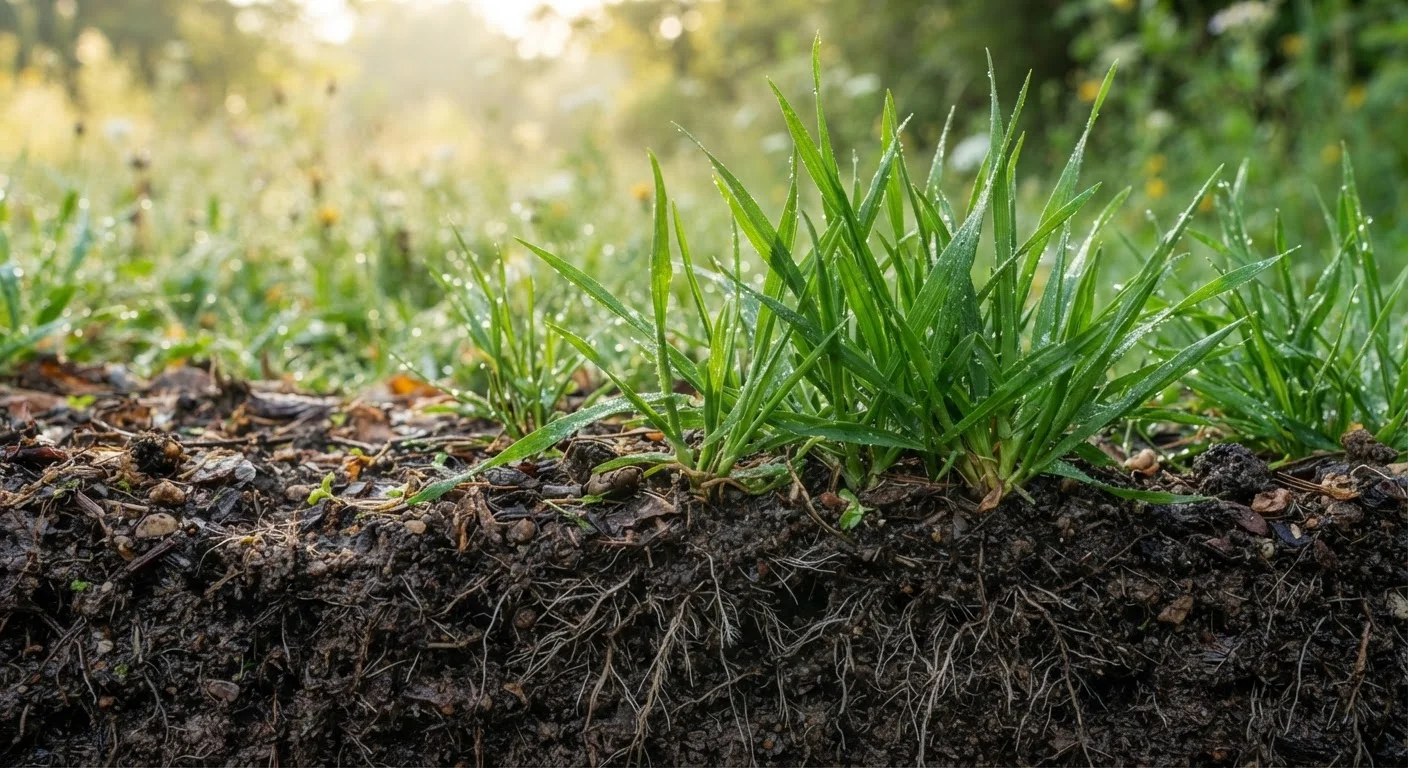
Photo: TrendingResults.net | Discover More, Trend More editorial
Key Takeaways
- Shallow frequent watering encourages roots to stay near the surface, making grass more vulnerable to heat and drought.
- Deep infrequent watering trains roots to grow downward, improving resilience and reducing overall water use.
- Most established lawns thrive with about one inch of water per week, applied in one or two sessions.
- The screwdriver test - pushing a six-inch tool easily into soil - is a reliable way to gauge adequate watering depth.
- Newly seeded or sodded lawns are an exception and may need lighter, more frequent moisture until established.
- Watering in the early morning reduces evaporation and lowers the risk of fungal disease.
Why Watering Frequency Changes Everything Below Ground
Most homeowners water their lawn based on what the grass looks like above the surface. But the real story - and the real damage - happens underground. The way you water determines where your grass roots grow, and roots drive nearly everything about lawn health.
When a lawn receives small amounts of water frequently, moisture never penetrates deeply into the soil. Roots follow water. If water consistently sits in the top inch or two, that's exactly where roots cluster. The result is a shallow, fragile root system that wilts quickly in summer heat and struggles during any dry stretch.
Deep infrequent watering works on the opposite principle: by saturating the soil to a depth of six inches or more, it pulls roots downward in search of moisture. Grass with deep roots taps into the soil's natural moisture reserves, making it inherently more resilient. This is why lawn care professionals consistently recommend watering deeply rather than often - it's not just about the grass you see, it's about the root architecture you're building over time.
Frequent shallow watering also creates a welcoming environment for weeds and fungal disease. Shallow moisture promotes surface-level competition from opportunistic weed seeds, and consistently damp foliage from evening or midday watering can invite fungal problems. You can learn more about the long-term habits that quietly compromise turf in our guide to things that weaken a lawn over time.
Head-to-Head: Frequent vs. Deep Watering
The practical differences between these two approaches extend beyond root depth. Here's how they stack up across the factors that matter most to everyday homeowners.
| Criterion | Frequent Shallow Watering | Deep Infrequent Watering |
|---|---|---|
| Root depth | Shallow (1-2 inches) | Deep (6+ inches) |
| Drought tolerance | Low - wilts quickly | High - taps soil reserves |
| Water efficiency | Lower - more evaporation loss | Higher - less surface evaporation |
| Weed pressure | Higher - surface moisture favors weeds | Lower - drier surface discourages germination |
| Fungal disease risk | Higher if timed poorly | Lower with morning watering |
| Best for | New seed and sod establishment | Established lawns year-round |
| Typical schedule | Daily or every other day | 1-2 times per week |
One key detail the table doesn't capture: the time of day matters as much as the frequency. Watering early in the morning - before 10 a.m. - is generally recommended because temperatures are cooler, winds are calmer, and grass blades dry before nightfall. Evening watering leaves foliage wet overnight, which increases disease risk regardless of how often you water.
How Much Water Does Grass Actually Need?
Most established cool-season and warm-season grasses need roughly one inch of water per week, including rainfall. That doesn't mean watering every day - it means delivering that inch in one or two thorough sessions, spaced several days apart.
1 inch
Weekly water needed by most established grasses
University cooperative extension programs across the US consistently cite one inch per week as the general guideline for most lawn grass types.
6 inches
Target soil depth for effective watering penetration
Most turfgrass specialists recommend wetting the soil to at least six inches to encourage roots to grow into deeper, more stable moisture zones.
50%
Estimated share of residential water used outdoors
The U.S. Environmental Protection Agency estimates that roughly half of residential water use goes toward outdoor applications, including lawn irrigation.
The challenge is knowing whether you've actually applied an inch. Rain gauges and simple tuna cans placed on the lawn can measure sprinkler output. Run your system for a set time, check how much has collected, and adjust accordingly. For soil penetration, the screwdriver test is practical: after watering, push a standard six-inch screwdriver into the turf. If it slides in with minimal resistance, moisture has reached an appropriate depth. If it stops at two or three inches, you need to water longer.
Soil type also influences how you apply water. Sandy soils drain quickly and may benefit from slightly more frequent deep sessions. Heavy clay absorbs water slowly, so applying water too fast causes runoff before it can penetrate. For clay-heavy yards, lawn aeration can significantly improve infiltration and make deep watering more effective.
Exceptions and Adjustments by Season
Deep infrequent watering is the right long-term strategy for established lawns, but it isn't a one-size-fits-all rule year-round. Context matters.
New lawns and overseeding: Newly seeded areas or fresh sod need the opposite approach temporarily. Seeds require consistent surface moisture to germinate - typically light watering two to three times per day until seedlings establish. Once the grass reaches mowing height and roots knit into the soil, you can begin transitioning to a deep, infrequent schedule.
Summer heat peaks: During extreme heat events, supplemental watering may be needed between your regular deep sessions. Watch for early wilt symptoms - grass that turns blue-gray or shows footprint impressions that don't spring back. These are signs the lawn is under stress before visible browning occurs.
Fall and winter: As temperatures drop and grass growth slows, water needs decline significantly. Overwatering in fall can promote disease and delay the lawn's natural hardening process. Our month-by-month lawn care reference covers seasonal watering adjustments in detail.
For help choosing the right irrigation equipment to deliver water efficiently, see our overview of garden irrigation options - from sprinklers to soaker hoses - to match your setup to your watering goals.
If you're seeing yellow or discolored patches despite regular watering, the problem may not be frequency at all. Our guide to why grass goes yellow can help you read what the lawn is actually telling you.
The content on this site is provided for informational purposes only and should not be considered a substitute for professional advice. While we strive to provide accurate and up-to-date information, we make no guarantees regarding its completeness or accuracy. Always consult a qualified professional for advice specific to your circumstances before making any decisions.