
Why Grass Goes Yellow - and How to Read What It's Telling You

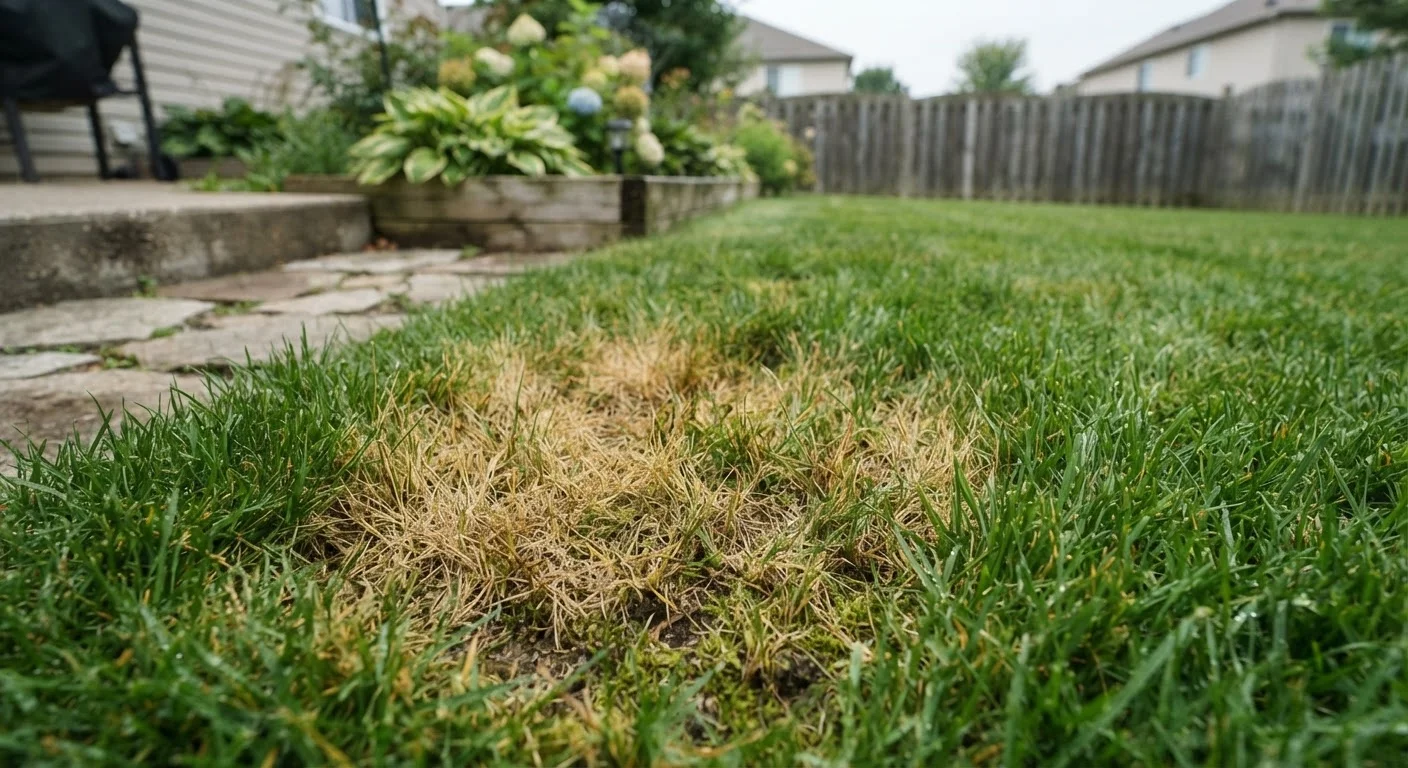
Photo: TrendingResults.net | Discover More, Trend More editorial
Key Takeaways
- Yellow grass is a symptom, not a single problem - the pattern and location reveal the cause.
- Overwatering and underwatering can look almost identical; soil moisture testing is the only reliable way to tell them apart.
- Nutrient deficiencies, compacted soil, and mowing mistakes are among the most common - and most preventable - causes.
- Treating the wrong cause can worsen the damage, so accurate diagnosis comes before any corrective action.
- Most yellowing problems are reversible once the underlying issue is identified and addressed consistently.
Why Yellow Grass Demands a Closer Look
A lawn turning yellow is one of the most common calls to action a homeowner faces - and one of the most misread. The instinct is often to grab a bag of fertilizer or turn up the sprinklers, but applying the wrong fix to the wrong problem can make things worse. Yellow grass is a signal, not a verdict, and the pattern it forms tells a story worth reading carefully.
Yellowing can spread in broad, even sheets or appear as irregular patches. It can follow the path of a sidewalk, cluster under a tree, or concentrate where foot traffic is heaviest. Each pattern points toward a different underlying cause. Before reaching for any product or tool, take five minutes to walk your lawn and observe where, how, and in what shape the discoloration appears. That observation is the starting point for everything that follows.
Don't Treat Before You Diagnose
Common Mistakes That Cause - or Worsen - Yellow Lawn
The errors below account for the vast majority of yellow-grass problems in American yards. Understanding why each mistake happens makes it far easier to avoid repeating it.
Watering too frequently but too shallowly, then assuming yellowing means the lawn needs even more water.
Applying nitrogen fertilizer to diagnose yellowing without first testing the soil.
Mowing too low - called scalping - which strips the grass of its food-producing leaf tissue.
Ignoring soil compaction as a possible cause and focusing only on surface treatments.
Assuming all yellow patches are the same problem and applying one blanket treatment across the entire lawn.
For a deeper look at how watering habits affect grass color and root health, see our article on watering deeply vs. watering often. And if you want to understand the numbers behind fertilizer choices, decoding fertilizer N-P-K labels walks you through every element on the bag.
Reading the Pattern: A Diagnostic Quick-Reference
Once you've ruled out obvious mistakes, the spatial pattern of yellowing is your best clue:
- Uniform pale yellow across the whole lawn - likely nitrogen deficiency, especially after heavy rain leaches nutrients from soil.
- Yellowing along edges and high-traffic paths - compacted soil restricting root development and water infiltration.
- Circular or irregular yellow patches - possible fungal disease, particularly when accompanied by a ring of darker green grass.
- Stripes matching mower wheel paths - scalping from blades set too low, or uneven mower deck.
- Yellowing beneath trees or in shaded corners - shade stress combined with root competition from established trees.
40%
Of US lawns affected by soil compaction
Extension services across several US land-grant universities estimate that compaction affects a significant proportion of residential turf, particularly in clay-heavy soils and high-traffic areas.
1/3
Maximum grass blade to remove per mow
The one-third rule is a widely cited guideline from turfgrass management research - removing more triggers stress responses including yellowing and slowed root growth.
Soil compaction is one of the slow-building threats most homeowners don't notice until the lawn is clearly struggling. Our guide on what weakens a lawn over time covers this and other gradual problems worth knowing about.
Putting It Right: Next Steps After Diagnosis
Accurate diagnosis changes everything. Once you've matched the pattern to a likely cause, targeted action is straightforward - and far less expensive than guessing. Nitrogen deficiency responds to a correctly timed application of a balanced lawn fertilizer. Compaction responds to core aeration. Overwatering requires adjusting your irrigation schedule before the roots suffocate further.
For long-term lawn health, seasonal timing matters as much as any individual fix. The month-by-month lawn care reference can help you align treatments to the right window so interventions actually take hold. And if you're heading into a new growing season, the spring yard prep checklist gives you a structured starting point to inspect, correct, and set the lawn up for strong growth.
Yellow grass is rarely a catastrophe. With careful observation and the right response, most lawns recover - and often come back greener and more resilient than before.
Fungal Disease Needs a Different Response
The content on this site is provided for informational purposes only and should not be considered a substitute for professional advice. While we strive to provide accurate and up-to-date information, we make no guarantees regarding its completeness or accuracy. Always consult a qualified professional for advice specific to your circumstances before making any decisions.