
Soil pH and Why Your Plants Care About It

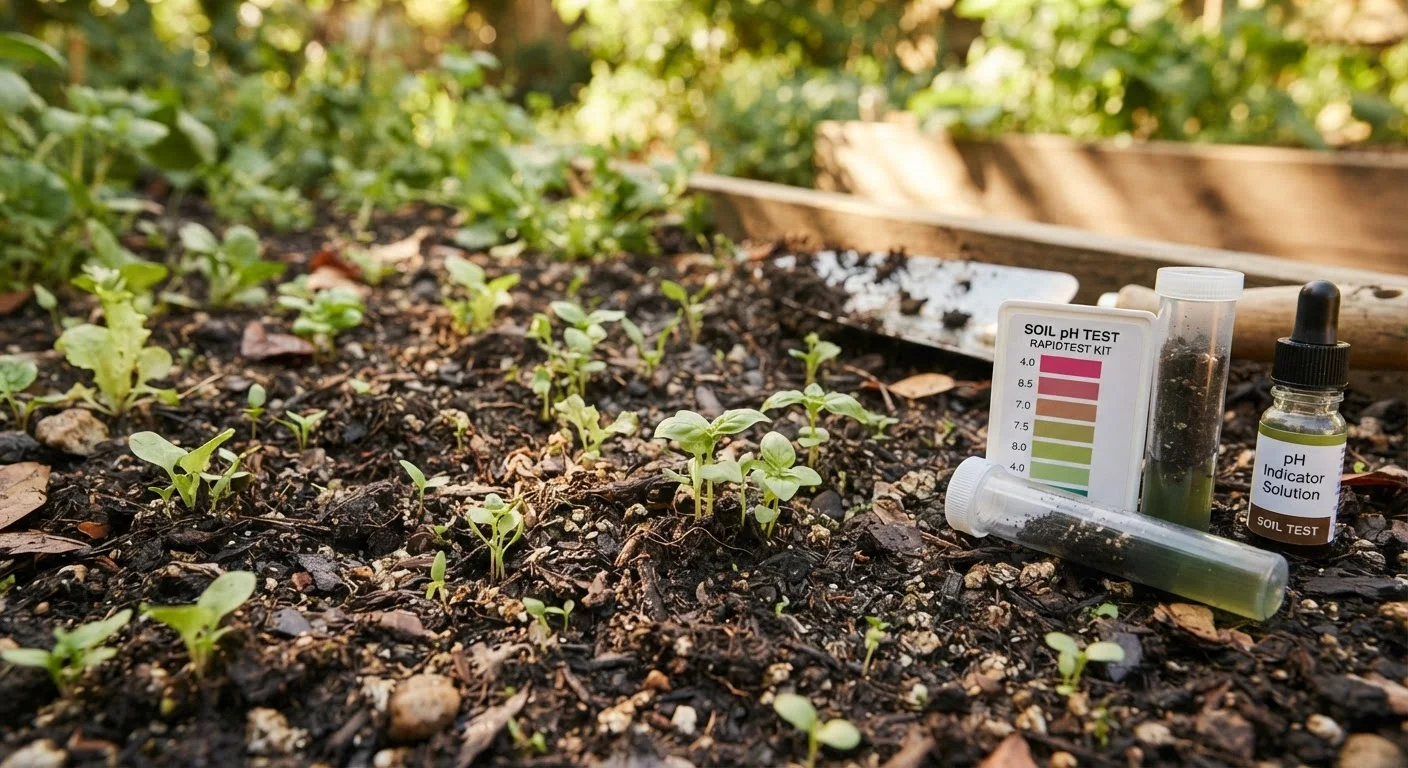
Photo: TrendingResults.net | Discover More, Trend More editorial
Key Takeaways
- Soil pH controls how well plants can absorb nutrients, regardless of how much fertilizer you apply.
- Most lawn grasses prefer a slightly acidic pH between 6.0 and 7.0.
- Lime raises soil pH; sulfur lowers it - but both take time and should follow a soil test.
- A simple, inexpensive soil test is the only reliable way to know your starting point.
- Correcting pH gradually over one to two seasons produces better results than large single applications.
Why pH Is the Master Switch for Plant Nutrition
You can have the richest, most nutrient-loaded soil on the block, but if the pH is off, your plants may still struggle to feed themselves. That's because soil pH doesn't just sit passively in the background - it actively controls whether nutrients like nitrogen, phosphorus, iron, and calcium remain dissolved and plant-accessible, or become chemically bound to soil particles where roots can't reach them.
Think of pH as a gate. When it's set to the right position for your plants, the gate swings open and nutrients flow freely. Shift too far in either direction, and the gate locks - no matter how much fertilizer you've applied. This is why understanding pH is a prerequisite to almost every other lawn and garden decision, including fertilizing. See our guide to reading fertilizer labels for context on how nutrients interact with your soil once pH is dialed in.
6.0-7.0
Optimal pH range for most lawn grasses
University extension services across the US generally recommend this range for common turfgrass species including Kentucky bluegrass, fescues, and bermudagrass.
~1,000x
Acidity difference between pH 4 and pH 7
Because the pH scale is logarithmic, each full unit represents a tenfold change - meaning a pH of 4 is roughly 1,000 times more acidic than a pH of 7.
4.5-5.5
Preferred pH for acid-loving plants like blueberries
Plants such as blueberries, azaleas, and rhododendrons require significantly more acidic conditions than most lawn grasses or vegetables.
What Happens at Different pH Levels
Between pH 6.0 and 7.0, the widest range of nutrients remains available simultaneously - which is why this zone suits most lawns and vegetables. Outside that window, specific problems emerge:
- Too acidic (below 6.0): Phosphorus availability drops sharply. Aluminum and manganese can reach toxic concentrations. Beneficial soil microbes that break down organic matter become less active.
- Too alkaline (above 7.5): Iron, zinc, and manganese become locked up, often causing yellowing between leaf veins - a condition called chlorosis. Phosphorus also becomes less available in strongly alkaline conditions.
If your lawn develops yellow patches that don't respond to watering adjustments, pH imbalance may be a contributing factor. Our article on why grass goes yellow walks through the full range of causes to help you diagnose accurately.
How to Test and Adjust Your Soil pH
The only reliable starting point is a soil test. Guessing your pH - or assuming it's fine - often leads to wasted amendments and continued plant stress. Your local cooperative extension service can provide a thorough lab test for a modest fee, typically including amendment recommendations tailored to your specific region and soil type.
Once you have your results, the two primary adjustment tools are:
- Agricultural lime (calcium carbonate or dolomitic lime): Raises pH in acidic soils. Dolomitic lime also adds magnesium, which can be beneficial in deficient soils. Apply in fall when possible, as it takes months to fully react.
- Elemental sulfur: Lowers pH in alkaline soils. Soil bacteria convert sulfur to sulfuric acid over weeks to months, so patience is essential. Work it into the top several inches for best contact.
Always follow soil test recommendations for application rates. Overapplying either amendment can overshoot your target and create a new imbalance. Large corrections are best made incrementally across seasons rather than all at once.
Test Before You Amend
pH as Part of Your Broader Lawn Care Routine
Soil pH isn't a one-time fix - it's an ongoing variable that shifts slowly due to rainfall, fertilizer inputs, and plant activity. Incorporating a pH check into your regular lawn care calendar helps you stay ahead of problems before they show up as struggling plants.
Our month-by-month lawn care reference is a useful companion for knowing when to test and when to apply amendments within your seasonal routine. Pairing pH management with practices like proper watering - covered in our piece on deep versus frequent watering - creates conditions where your grass and garden plants can genuinely thrive, not just survive.
Frequently Asked Questions
The content on this site is provided for informational purposes only and should not be considered a substitute for professional advice. While we strive to provide accurate and up-to-date information, we make no guarantees regarding its completeness or accuracy. Always consult a qualified professional for advice specific to your circumstances before making any decisions.